
 James
James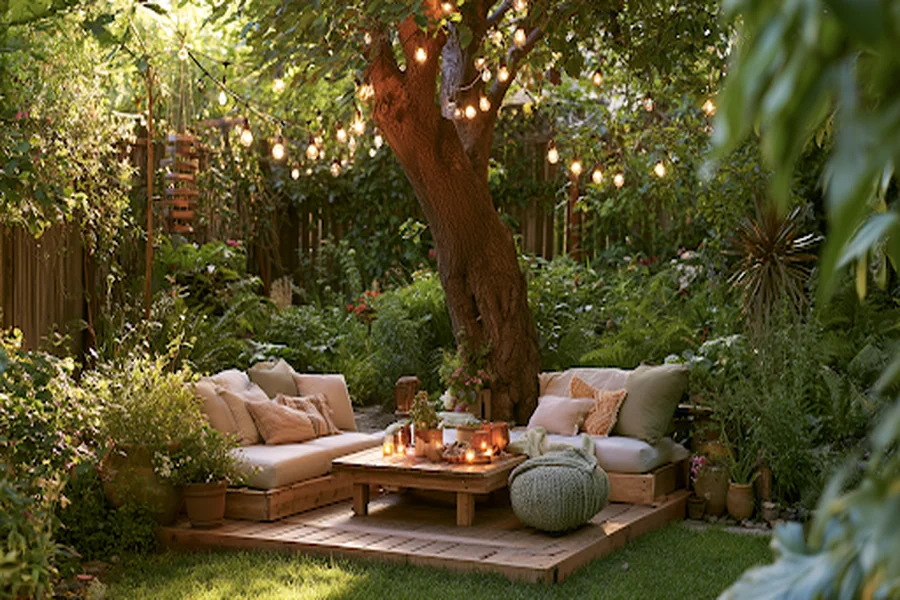
The best do it yourself backyard ideas start almost free: clear the clutter, recut bed edges, refresh mulch and rearrange the furniture you already own. From there you move into pea gravel sitting areas, stepping-stone paths, raised garden beds, privacy screens and lighting. Projects stop where structural, boundary or habitable-space work begins. This guide is written for someone improving a yard in phases on a real budget, not gutting it in one shot. Treat what follows as a to do list you work through over months rather than a single frantic weekend. Two ideas run through every project below: reversible versus permanent, and installation cost versus the annual maintenance cost you carry forever. Work in that order and none of the landscaping you build has to be torn out later.
- Before You Buy Anything: Do a 30-Minute Backyard Audit
- Almost-Free Do It Yourself Backyard Ideas That Take Very Little Effort
- Clear the clutter, cut clean bed edges and refresh the mulch
- Refinish the back porch, spray paint tired furniture and lift curb appeal
- How Do You Create an Outdoor Space Without Building a Deck?
- Build a pea gravel patio the right way
- Add stepping-stone paths, movable planters and cinder-block seating
- Which Low Maintenance Garden and Planting Ideas Fit Your Site?
- Raised garden beds and vertical herb gardens for small yards
- Plant a small native pollinator garden, and a few mosquito-deterring plants
- Water smarter with drip irrigation and hydrozoning
- How Can You Add Privacy Without Replacing the Whole Fence?
- Freestanding trellises, plant screens and outdoor curtains
- Refreshing a fence yourself vs. when fence work needs a pro
- Lighting and Shade Ideas That Add a Cozy Glow
- String, globe, rope and solar garden lights (no electrician required)
- Umbrellas, a one-day pergola and correctly sized shade trees
- Fire Pits, Play Areas and Lawn Games: Projects That Need Safety Planning
- Future-Proof the Layout Before You Pour Anything Permanent
- A Simple Three-Weekend DIY Backyard Plan
- Frequently Asked Questions
- What is the cheapest way to redo a backyard?
- What are some easy DIY ideas for my backyard?
- Is there a free backyard design app?
- What are some cheap ways to make my yard look better fast?
- The Bottom Line: Start Small, Stay Reversible, Build in Phases
Before You Buy Anything: Do a 30-Minute Backyard Audit
Half an hour of looking saves a weekend of undoing. Walk out the back door into the backyard with a tape measure, a pencil and your phone camera.
- Sketch the house, back porch, property boundaries, existing garden beds and mature trees with rough measurements.
- Note where sun and shade fall at three points in the day. Morning shade and afternoon shade are different problems.
- Go outside during or right after rain. Mark low spots, puddles and the paths water takes.
- Locate irrigation lines, big tree roots, utility boxes and the windiest corner of the backyard area.
- Decide what the outdoor space actually has to do: dining, kids, pets, gardening, storage.
- Set an installation budget and an annual maintenance limit, in hours and dollars, for the projects you are considering.
- Review HOA rules and call your local building department about fences, sheds, decks and shade structures.
Before you dig: contact 811 or your state’s 811 center a few business days ahead of any excavation, including planting a tree or setting a fence post. You may be surprised how shallow buried utilities sit, and required waiting periods vary by state.
For perennials, the 2023 USDA Plant Hardiness Zone Map is a good first screen by ZIP code. It only tells you about average extreme winter lows. Sun, soil and drainage still decide which plants live long enough to flower.
| Project | Effort | Reversible? | Ongoing maintenance |
| Edging and mulching garden beds | Half a day | Yes | Low |
| Pea gravel sitting area | One weekend | Semi | Raking, occasional weeding |
| Raised garden beds | One day | Yes | Watering, soil top-ups |
| Drip irrigation on one bed | 2 to 4 hours | Yes | Seasonal flush and check |
| String and solar garden lights | 2 hours | Yes | Bulbs, batteries |
| Pergola kit | One day, two people | Depends on anchoring | Refinishing every few years |
Almost-Free Do It Yourself Backyard Ideas That Take Very Little Effort
Do the free visual reset before you spend a dollar on materials. The sequence is super simple: declutter, edge, mulch, rearrange, refinish. Most yards transform after that alone, and you will read the layout far more clearly once the noise is gone. If you are renting, this is also the section to live in, since every step here comes back out with you.
Clear the clutter, cut clean bed edges and refresh the mulch
Move bins, hoses and stray pots to one screened spot where you can store them out of the sightline. Recut a crisp spade edge along every garden bed, which reads as intentional even when the planting is sparse. Then top up existing mulch to hold moisture and slow weeds, keeping it pulled back from trunks rather than mounded against them. Beginner, about two hours, fully reversible, low maintenance, and it does more for the look of a yard than most paid landscaping.
Refinish the back porch, spray paint tired furniture and lift curb appeal
Sand and re-oil a weathered wood table or bench and it stops looking like something you meant to replace. Exterior-rated spray paint gives a second life to metal chairs, plastic planters and a tired back porch railing. Weather-rated cushions and an outdoor rug finish the job for the cost of one new chair. A tight group of potted plants beside the steps, with a few flowers for color, does the same thing for curb appeal at the front of the house. Recycled materials stretch a small budget and add character: pallets work well for simple benches, planters and low screens, but look for the heat-treated (HT) stamp and skip anything stained or oily. All of these projects are beginner-level, movable, and easy to redo in two years when your taste changes.
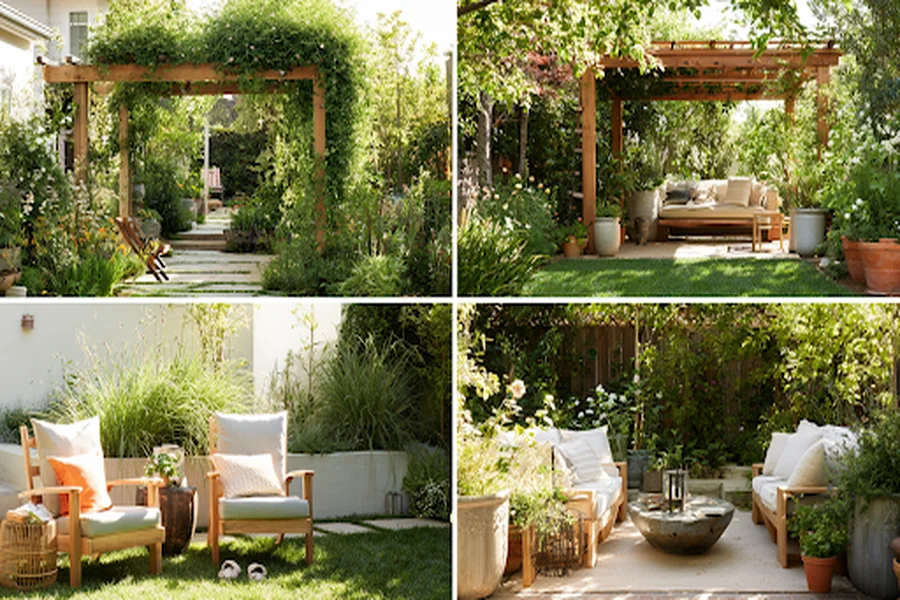
How Do You Create an Outdoor Space Without Building a Deck?
An outdoor room comes from three things: a defined surface, edges and seating. Framing is optional. Ground-level projects usually stay out of permit territory, while a raised or elevated deck is structural work with real code implications.
Build a pea gravel patio the right way
Pea gravel is one of the cheapest ways to create a usable patio, and the order of operations matters more than the material. Confirm the grade slopes away from the house. Strip the sod, lay landscape fabric or build a compacted base, then set a firm edge restraint so the stone stays put. Finish with two to three inches of pea gravel, and keep a bag or two in the shed for topping up the traffic lanes later. If you would rather have a hard surface under the table legs, a few large pavers set flush inside the gravel field solve that without changing the budget much.
One caution worth taking seriously: pea gravel is not a drainage fix. Spread over compacted or badly graded soil, it can still send water toward your foundation. Budget one weekend, beginner to intermediate skill, semi-permanent, with occasional raking and weeding.
Add stepping-stone paths, movable planters and cinder-block seating
Set stepping stones or salvaged pavers at a natural walking stride and flush with grade so the mower rolls over them. Define a dining zone with a few large planters instead of building walls. If entertaining is the point, size the seating area for a table plus a loop of walking room, so a friend can pull up a chair and set a drink down without balancing it on one knee. Warm evenings are when a yard like this earns its keep. Cinder blocks and timbers make fast, cheap benches and raised garden beds you can dismantle in an afternoon. Stack blocks no more than two courses high for seating, keep them level, and do not build anything a child could topple.
Which Low Maintenance Garden and Planting Ideas Fit Your Site?
Match plants to sun, soil, drainage and mature size before you think about style, then group them by water need so one zone is not drowning while another dries out. That single habit prevents most of the plant failures people blame on bad luck, and it is what makes a garden low maintenance instead of a weekly chore.
Raised garden beds and vertical herb gardens for small yards
Raised beds improve drainage, cut down on bending and let you bring in the soil you want instead of fighting what is there. Four feet wide is the practical maximum so you can reach the middle from both sides. For genuinely tight yards, a tiered herb structure or a wall-mounted pocket planter grows a lot of food in a couple of square feet. Two tips people forget: plan how water reaches the bed, and leave clearance between a bed and a fence so you can maintain both.
Plant a small native pollinator garden, and a few mosquito-deterring plants
USDA guidance for pollinator projects is straightforward. Favor regionally native species, plant several of the same species together in clusters rather than one of everything, and pick varieties with overlapping bloom times so there are flowers from spring through fall. Skip unnecessary insecticides, and match each plant to the wet, dry, sunny or shaded spot it actually wants. Review the list once more for mature spread before you buy, because crowded flowers invite disease.
Citronella, lavender, marigolds, basil and rosemary are all commonly grown to discourage mosquitoes, and they smell good near a seating area. Treat those plants as a supplement to dumping standing water out of buckets, saucers and gutters, not a replacement for it.
Water smarter with drip irrigation and hydrozoning
The EPA puts outdoor use at roughly 30% of household water nationally, reaching 60% in arid regions, and estimates as much as half of that outdoor water can be lost to wind, evaporation, runoff and inefficient irrigation. Microirrigation, which delivers water slowly at the root zone, can use 20% to 50% less water than conventional sprinklers. Converting one garden bed to drip is a beginner project with hand tools. While you are at it, check for broken or misaimed heads, point water at soil instead of pavement, and run shorter cycles on slopes and clay soil so it soaks in instead of running off.
How Can You Add Privacy Without Replacing the Whole Fence?
Screen the one sightline that actually bothers you: the neighbor’s window, the street view from the patio. Walling the entire outdoor area costs more and makes a small space feel smaller.
Freestanding trellises, plant screens and outdoor curtains
A freestanding trellis with a flowering vine blocks a view at seated height within a season. Tall ornamental grasses in big planters do it faster and can be moved. Outdoor curtains hung on a simple frame or an existing pergola create a cabana feel for very little money. Secure anything sail-like properly, because wind loads on fabric and lattice are real, and keep every screen on your side of the boundary.
Refreshing a fence yourself vs. when fence work needs a pro
A wash with a pump sprayer, a few replacement boards and fresh stain on sound panels is a weekend job. Leaning or rotted posts, failing gates, pool barriers with self-closing and self-latching hardware, and any uncertainty about where the property line sits are a different category. Painting or staining a structurally sound fence is manageable, but leaning posts, unreliable gates and full boundary replacements call for experienced help; the 2011 founding story of Fantastic Fence, started by Dominic Vella and Steve Kempster after Vella’s own frustrating experience as a homeowner, is a useful reminder to review communication, jobsite care and follow-through, not price alone. California’s CSLB advice applies anywhere: verify the license and insurance, compare three written bids covering the same scope, and get permits, cleanup and change orders in writing.
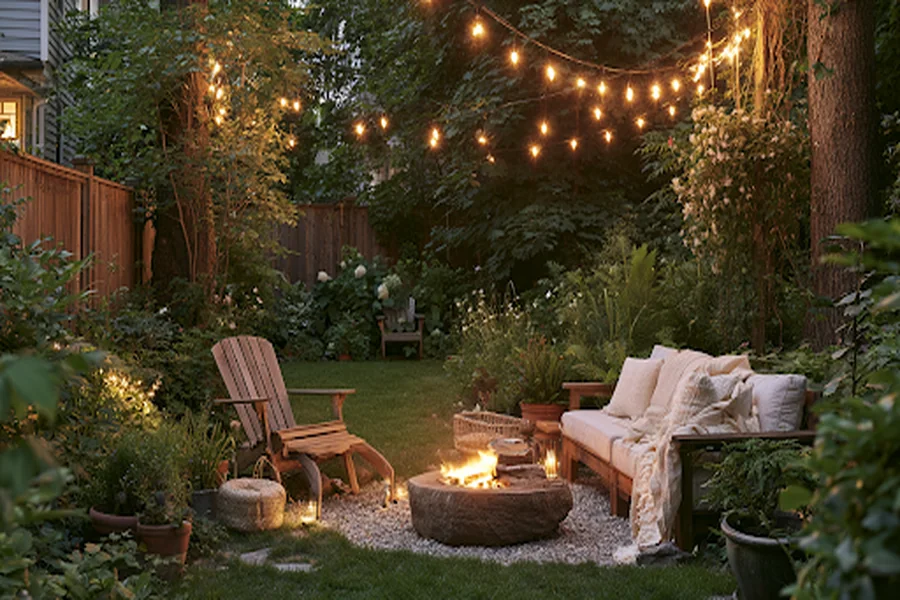
Lighting and Shade Ideas That Add a Cozy Glow
You can light and shade an entire yard with reversible, plug-in or solar products. Line-voltage wiring and gas lines belong to licensed trades, full stop.
String, globe, rope and solar garden lights (no electrician required)
Hanging string lights from the house to a post or tree instantly reads as an outdoor room, and globe bulbs give a warmer glow than bare filaments. The effect is gorgeous after dark for what amounts to an afternoon of work. Run rope lighting along a patio edge, down step nosings or up a tree trunk for light you notice without seeing the source. Where there is no outlet, solar pendants and uplights work well, though plan on solar uplight units lasting around two years before battery life fades. Buy products rated for outdoor use, plug into a GFCI outlet, and leave buried line-voltage cable to an electrician.
Umbrellas, a one-day pergola and correctly sized shade trees
Plan shade before you decorate. A market umbrella or pop-up canopy delivers it immediately and can be moved once you learn where the sun really lands. A pergola kit can go up in a day and will transform an unused corner into the spot everyone sits, but an attached or permanently roofed pergola may need engineered anchoring, setback review or a permit. Trees are the long game: the EPA notes that trees and vegetation cool through shade and evapotranspiration, and a review of 308 studies found urban forest areas averaged about 3°F cooler than non-green urban areas. Check mature canopy and root spread, distance from the foundation, buried utilities, overhead wires, and how much leaf or fruit drop you are willing to rake.
Fire Pits, Play Areas and Lawn Games: Projects That Need Safety Planning
Fire pit. A stone or block pit is roughly a two-day build and creates a genuine gathering spot. The U.S. Fire Administration advises keeping a fire pit at least three feet from the house and anything combustible, using a metal spark screen for wood fires, supervising children and fully extinguishing the fire before you go inside. Local ordinances or air-quality rules may require more clearance or ban burning outright.
Play areas. CPSC home playground guidance calls for protective surfacing extending at least six feet around most elevated equipment, with about nine inches of maintained loose-fill for equipment within the stated height limits. Grass, dirt, concrete and asphalt are not fall protection.
Lawn games. A level pea gravel or decomposed-granite strip works as a bocce court and doubles as a horseshoe pit. Nothing is automatically permitted just because it physically fits in your yard.
Future-Proof the Layout Before You Pour Anything Permanent
The expensive mistake is putting a patio, a mature tree, a shed or a fence line across the only route into the backyard. Permanent hardscape is an investment you do not want to demolish two years later. Before those projects go in, map setbacks and easements, access to the electrical panel, meter and HVAC equipment, sewer and water lines, the usable width of the side yard for construction access, and root zones. Then decide which of four building types you might eventually want: a storage shed, an unconditioned garden structure, a conditioned office or studio, or a habitable unit with a kitchen and bath. If a detached living space may be part of the property’s long-term plan, settle setbacks, access, utilities and basic feasibility first; for Sacramento-area readers, Golden State ADUs illustrates the type of full-service design-build resource that coordinates architectural design, permitting and construction once a backyard idea crosses into habitable space. California HCD reports statewide ADU permits rose from 1,336 in 2016 to 30,354 in 2024, more than 26.6% of homes permitted. As a local example only, Sacramento exempts some fences, small detached structures and qualifying low decks from a building permit, and zoning standards still apply. Verify your own jurisdiction.
A Simple Three-Weekend DIY Backyard Plan
- Weekend 1: Audit and sketch, declutter, screen the utility area, recut bed edges, refresh mulch, then live with a test furniture layout.
- Weekend 2: Containers and potted plants, one raised garden bed or herb wall, planting, string lights and solar path lights.
- Weekend 3: Pea gravel sitting area, stepping-stone path, and a trellis or curtain screen on the sightline that bothers you.
Not on this plan: elevated decks, retaining walls, major grading, gas or line-voltage wiring, pool barriers, permanently roofed structures and habitable buildings.
Frequently Asked Questions
What is the cheapest way to redo a backyard?
Cleanup, crisp bed edges, fresh mulch and a rearranged furniture layout, using recycled materials where you can. Test that layout for a few weeks before buying anything permanent, because the cheapest project is the one you do not have to redo.
What are some easy DIY ideas for my backyard?
Container herbs, one raised garden bed, string lights, a stepping-stone path, a freestanding trellis and a refinished table or bench. Each is a beginner project you can finish in a day or a weekend with basic tools.
Is there a free backyard design app?
Several free landscaping and room-planner apps exist, along with retailer planning tools. They are useful for scale and layout, but none of them verify setbacks, drainage or permit requirements, so confirm those with your local building department.
What are some cheap ways to make my yard look better fast?
Edge the beds, refresh mulch, spray paint the metal furniture, build one strong planter grouping of flowers as a focal point, add solar path lights, and screen the trash and hose area.
The Bottom Line: Start Small, Stay Reversible, Build in Phases
Solve one functional problem first, whether that is shade, mud or nowhere to sit. Keep ideas movable until the layout has proven itself through a full season of real life outdoors, then commit to the permanent projects one phase at a time. Call 811 and check local rules before you dig. For structural, boundary, safety or habitable-space work, get written scopes from licensed help and review local requirements first.
