
 James
James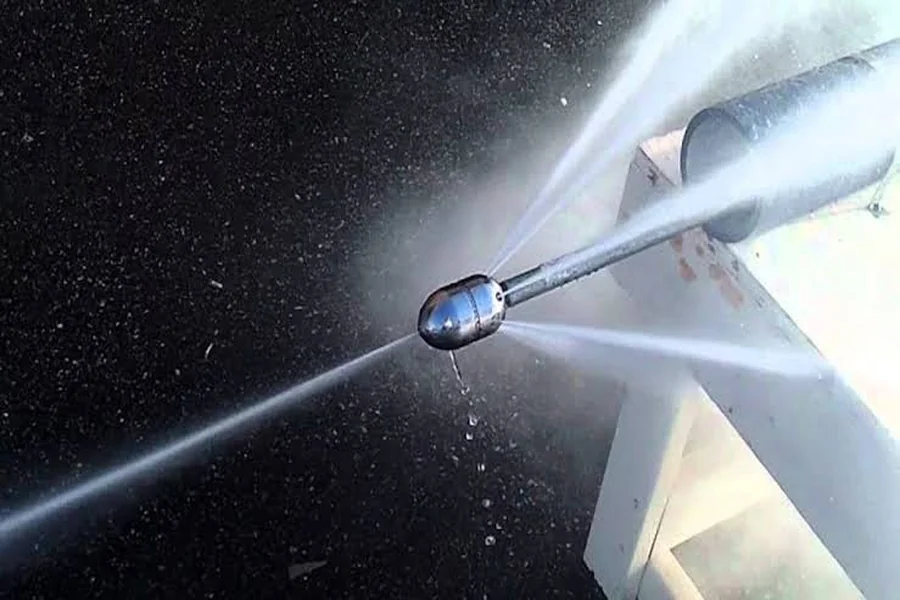
Root intrusion, the high accumulation of grease, and mineral scale that becomes solid are major factors that threaten the structure of the underground drainage infrastructure on a continuous basis. Conventional pipe repair was invariably an open-cut and destructive process, resulting in the destruction of property and a high cost to the property owner for restoration. Modern hydro jetting offers a “no-dig” solution to clean and restore the capacity of buried pipes without destroying surface structures.
This is a high-pressure cleaning method that uses specialized nozzles to safely and efficiently jet water streams into entry points to flush away particularly stubborn obstructions. People who need trusted jet blast plumbing solutions done at their home usually turn to this kind of jet blast plumbing to clear up their underground lines quickly, without any harm to the integrity of the existing host pipes.
- Mechanics of High-Pressure Water Propulsion
- Key Benefits Over Traditional Snaking
- Diagnostic Camera Inspection Integration Workflow
- Pressure Metrics Across Underground Materials
- Paving the Way for Trenchless Lining
- FAQs
- How does hydro jetting get rid of clogs without causing any excavation of landscaping?
- Can hydro jetting damage older or fragile underground pipes?
- At what pressure is hydro jetting normally done?
- When should underground commercial drain lines be hydro jetted?
- Will hydro jetting work to stop persistent tree root intrusion?
- Preserving Underground Integrity
Mechanics of High-Pressure Water Propulsion
Hydro jetting systems take normal water supply and turn it into an efficient, high-velocity stream that is capable of removing layers of decades of buildup from the inner walls of the pipes. The machinery is powered by a powerful pump, which pushes water through strengthened hoses.
1.Forward-Facing Jet Streams: Break through or burst solid obstacles like tree roots or compacted sediment.
2.Rear-Directed Nozzles: Generate forward thrust and scour the inside wall around the circumference.
3. Rotate Cutting Heads: High-speed rotation to remove lateral masses of roots attached to joints
Hydro jetters use hydraulic power and can be set to the correct nozzle angle to clear full-diameter flow paths without mechanical scraping damage.
Key Benefits Over Traditional Snaking
Mechanical snakes and augers just make small holes in them, leaving more sludge and grease behind. Hydro jetting removes all debris from the pipes and restores almost the original hydraulic performance of the pipes.
1. Mechanical Snaking: Leaves a sludge layer along the pipe walls, creating only a small center hole for water to pass through.
2. Hydro Jet Cleared: Completely clears the entire waterway path along the pipe walls, restoring 100% full water flow.
Hydro Jet Cleared: [ Pipe Wall | Clear Waterway Path (100% Flow Restored) | Pipe Wall ]
| Cleaning Method | Mechanical Drain Cable / Snake | High-Pressure Hydro Jetting |
| Cleaning Coverage | Partly clears the centre | Full wall restoration 360 degrees |
| Root Eradication | Removes the largest portion of root tissue, but leaves hair roots | Flushes roots and scours joint entry points |
| Grease & Scale Removal | Ineffective on wall grease | Emulsifies grease and strips scale buildup |
| Pipe Surface Protection | Metallic blades can gouge worn pipes | Scours under controlled hydraulic pressure |
Diagnostic Camera Inspection Integration Workflow
Technicians perform a high-definition video pipe inspection before the water is put under pressure in an underground pipe. Plumbers can use a flexible optical camera to determine the condition of the pipe material.
[HD Camera Diagnostic] ──> [Pressure Calibration] ──> [Hydro Jetting Scour] ──> [Post-Inspection Verification]
Pre-inspection can detect major structural cracks that allow high pressure to escape and cause pipe failure, according to the standards set forth by underground utilities by the Environmental Protection Agency (EPA).
A diagnostic evaluation will ensure that the pressure level is compatible with the material used (cast iron, PVC, or vitrified clay), maximizing safety and clearing blockages.
Pressure Metrics Across Underground Materials
It is essential to adjust water pressure (PSI) and volume flow rate (GPM) during restoration of underground lines. Too much pressure will break fragile lines, and too little pressure cannot remove tough buildup.
Along with pressure (PSI), high-volume flow (GPM) is also important to remove loose, heavy debris to a municipal main line, as noted by the American Society of Civil Engineers (ASCE).
By using trusted jet blast plumbing solutions, technicians are assured that they are using the right pressure and flow rate to dislodge obstructions safely without risking damage to the aged pipe infrastructure.
Paving the Way for Trenchless Lining
Cured-in-place pipe (CIPP) relining is a necessary preliminary step that requires hydro jetting. It is important that the internal surface of the pipe be clean to achieve a good bond between the epoxy resin and the host surface for pipe liners.
Research on the subject by the Water Environment Federation (WEF) shows that proper high-pressure cleaning will lower the failure rate of CIPP liners considerably by providing a smooth bonding surface.
Property owners can extend the life of their underground pipes by as much as 50 years and save on landscape restoration through trenchless cleaning.
FAQs
How does hydro jetting get rid of clogs without causing any excavation of landscaping?
Hydro jetting is carried out via existing access points to the pipe, which may be cleanout tees or manhole access points. High-pressure hoses that are flexible and can be used to work around the existing pipeline or remove blockages without surface excavation are fed through the existing pipeline using water propulsion.
Can hydro jetting damage older or fragile underground pipes?
If not properly video inspected, hydro jetting can cause damage to fragile pipes. Prior to running the camera, qualified technicians perform camera diagnostics to ensure structural integrity and determine safe pressure limits appropriate for the pipe material.
At what pressure is hydro jetting normally done?
Typical pressures used for residential and light commercial drain cleaning services range from 1,500 PSI to 4,000 PSI, and flow rates are 3 – 6 GPM. For heavy industrial-scale removal, special pressures up to 10,000 PSI or more may be required.
When should underground commercial drain lines be hydro jetted?
Commercial properties that, for example, process heavy grease or debris often get hydro jetting every 6-12 months. Hydro jetting is generally performed on residential lines when blockages occur or every 3 to 5 years to perform preventative maintenance.
Will hydro jetting work to stop persistent tree root intrusion?
Yes. With the use of special rotating nozzle heads, hydro jetting will effectively sever tree roots around pipe connections. Under pressure, water removes the root fibres that are in direct contact with the inside surface and flushes the whole thing out.
Preserving Underground Integrity
The introduction of high-pressure water jetting has revolutionised the way underground pipes are maintained, as it introduces a trenchless cleaning solution. Today’s plumbing is capable of delivering that same high level of accuracy and precision, and today’s camera inspection technology makes it possible for the plumber to restore flow capacity without risking safety. Property owners will save a lot of time and landscaping costs by eliminating digging for the invasive plants. By following zero-dig maintenance practices, sewer systems will remain clean, in use, and capable of sustaining against future plugging for decades.
