
 James
James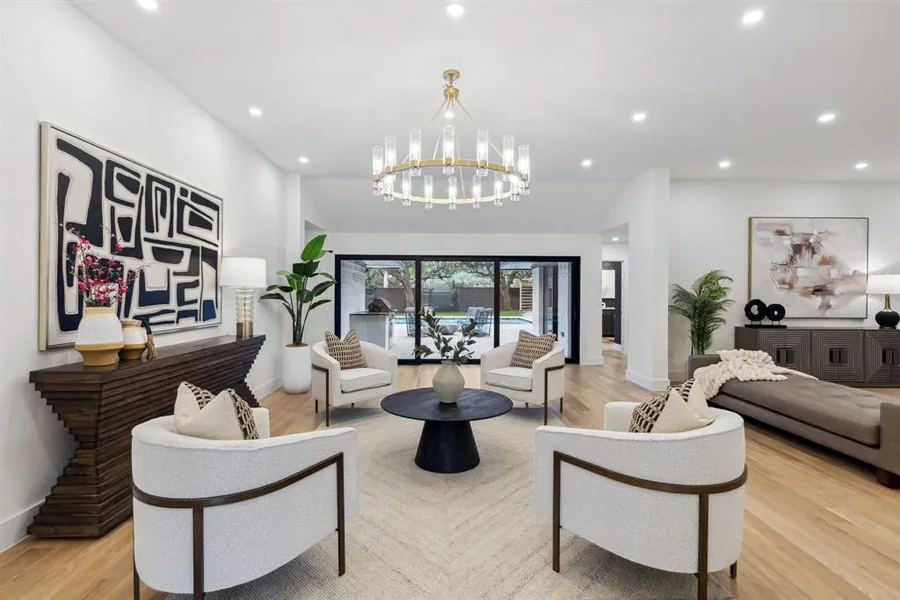
Lights are one of the most important things when it comes to a high-end home. It is the primary role in the mood, directing the focus and aiding buyers to know the scale, finish, and function of each room. In luxury staging, lighting is not simply decorative, it is part of the visual strategy.
- Why Lighting Matters in Premium Interiors
- The Role of Natural Light
- Layered Lighting Creates Depth
- Choosing the Right Color Temperature
- Using Statement Fixtures with Restraint
- Highlighting Architectural Features
- Room-by-Room Lighting Considerations
- Living Areas
- Kitchens
- Bedrooms
- Bathrooms
- Lighting and Photography
- A Polished Lighting Plan
Why Lighting Matters in Premium Interiors
Lighting can transform a space to make it more inviting, elegant and enjoyable. It helps to soften architectural lines, draw attention to custom materials, and can help to balance the room. Even the best interiors can look drab and cold, or even be deceptively smaller, when poorly lit.
These are the things that luxury home buyers will see in a flash. Whether it is shiny stone, fine woodwork, textured wall or statement fixtures, they all require the right lighting. With the lighting, the house feels like it was intentionally designed which makes it not over-done.
The Role of Natural Light
There is a sense of openness and ease with natural light. Staging: Make sure daylight can reach the space, but is not a cause of glare by adjusting window treatments. Sheer fabrics, clean glass and careful furniture arrangements can make rooms light and at the same time offer privacy.
The direction of the sun is also important. Kitchens and breakfast spaces can be brightened during the morning, while the softer light of the afternoon will enhance living rooms and bedrooms. Strong daylight can be a critical issue for home staging Miami, as it can affect comfort levels and overall visual balance.
Layered Lighting Creates Depth
Fewer overhead fixtures seldom give the finished look that would be appropriate in a upscale home. Layered lighting is a blend of task, accent, and ambient light. This method will prohibit each room from being equal and make significant design elements stand out naturally.
- Ambient lighting provides overall brightness and helps the room feel usable.
- Task lighting supports specific activities, such as reading, cooking, or dressing.
- Accent lighting draws attention to artwork, shelving, stonework, or architectural details.
When these layers work together, rooms feel more complete. The result is a sophisticated atmosphere that photographs well and feels comfortable during in-person viewing.
Choosing the Right Color Temperature
The color temperature has an impact on material appearance and finishes. Bright light is ideal for cosy rooms and bedrooms, while more subdued light is perfect for the office or stylish bathroom. It is not about sameness, but consistency, across the home.
Most luxury spaces will take advantage of warm to neutral lighting for luxury staging. It works great on some skin tones, adds a touch of glamour to wood and fabric and does not come with the coolness effect that many shady bulbs carry. Rooms also do not become visually out-of–communion when the temperatures of the bulbs are consistent.
Using Statement Fixtures with Restraint
Decorative features can be significant focal points. Leftover chandeliers, sculptural pendants and stylish sconces can also help to emphasize the character of a property. Statement lighting is used, however the light is used to complement the room and should not overpower it.
Scale is critical. If it’s too small it might seem cheap, if it’s too large, it could overload a ceiling space or furnishings design. The top picks are proportional, elegant and aesthetically suited to the home’s design.
Highlighting Architectural Features
Lighting can be used to direct the line of sight to the most striking features of a property. Cove lighting can highlight the richness of the ceilings, a picture light can give artwork a sense of depth and under-cabinet lighting can add depth to kitchens and built-ins.
Accent lighting needs to be “limited” in scope. If all the features are brightened identically then the space may be congested. A more sophisticated solution picks out a couple of key elements and allows the rest of the room to keep a sense of tranquility and balance.
Room-by-Room Lighting Considerations
Living Areas
Living rooms should feel comfortable, spacious, and elegant. A mix of floor lamps, table lamps, recessed lighting, and decorative fixtures can create a layered effect. Soft pools of light around seating areas help buyers imagine daily use.
Kitchens
Kitchens need clarity and polish. Pendant lights over islands, under-cabinet lighting, and clean overhead illumination help showcase countertops, cabinetry, and appliances. Reflections should be controlled so glossy surfaces do not create distracting glare.
Bedrooms
Bedrooms should feel restful and private. Warm lamps, balanced bedside lighting, and soft overhead illumination can create a calm mood. Bright, harsh lighting should be avoided because it can make the space feel less relaxing.
Bathrooms
Bathrooms require flattering, even light. Wall sconces near mirrors often work better than a single overhead source. Lighting should emphasize cleanliness, quality finishes, and spa-like comfort without creating shadows on faces or surfaces.
Lighting and Photography
Staging must work both in person and through photographs. Lighting that looks balanced to the eye may need adjustment for cameras. Overly bright windows, dark corners, and mixed bulb colors can reduce the quality of listing images.
Good lighting helps photography communicate space, texture, and atmosphere. It can make rooms appear more inviting while staying true to the property. This practical detail often has a noticeable effect on first impressions.
A Polished Lighting Plan
Effective luxury staging uses lighting to support architecture, mood, and lifestyle. The best choices feel natural, not forced. With the right balance of daylight, layered fixtures, color temperature, and restraint, a home can feel elevated, welcoming, and thoughtfully prepared.
