
 James
James
Uploading a photo ID before buying crypto can feel at odds with the idea of an open financial network. The extra step also raises fair questions: Who sees the document? Does verification protect the buyer? And can a person still control a wallet afterward?
Know Your Customer, or KYC, refers to the checks a financial service uses to establish who its customer is. If you encounter a request for identification while purchasing crypto through a platform like switchere.com, read the applicable verification and privacy terms to learn which partner handles the transaction and collects your documents. The answer may depend on the payment route and service involved.
The basics are less mysterious than the myths around them. KYC can help a provider meet its obligations and investigate suspicious activity. It cannot tell whether an investment is sound, undo a blockchain transfer, or replace sensible account security.
KYC Is a Single Universal Checklist
Myth 1: KYC is a one-size-fits all checklist.Myth 1: “KYC is a single universal checklist”.
What people typically want is all the documents to be required on all platforms. Requirements do differ from jurisdiction, provider, transaction type, and from one provider to another, pending the particular risks a provider is able to identify. One service may check a name and government ID, while another may seek proof of address, request further information about where funds are from, etc. Extra questions are not indicative of going wrong.
Regulated providers employ customer due diligence to detect and confirm customers, retain appropriate records, and alert to suspicious activity. Filled out checks also could not be final checks: If circumstances change, a provider has the right to request updated information.
Might a customer need to:
Enter a legal name,date of birth and address
Provide a valid piece of identification as well as a picture or live check (as necessary)
Standalone credit report for payment, activity and/or a source of funds is answered by answering follow up questions that may need further explanation from the provider.
These steps should be taken from the service that’s handling the transaction and not from a random party promising a quick approval.
Verification Makes a Purchase Safe
An id check can slow the identity opening under a fake name and may provide a provider with data to screen strange task. This is helpful, but doesn’t mean that the individual using an account will not be duped in the future. Even if someone is a verified customer, they can be misled into transferring their cryptocurrency to a fraudster’s address.
What is more, KYC cannot verify the merits of a token, guarantee an exchange rate of a certain value or recover funds sent on a blockchain. While an account may be able to pass verifying on a chosen risky asset or following instructions by an impersonator. Purchase decisions and identity checks are different things.
Use an alternate security process before sending money:
Verify the website URL via a trusted source or go directly to the URL from a bookmark.
Review asset, network address, destination address, fees and total amount.
Enable account Protections, such as Strong Authentication.
Refuse an urgent call for money or a verification code from someone who puts pressure on you.
The habits are still important even after the account has been approved.
KYC Gives a Provider Your Wallet Keys
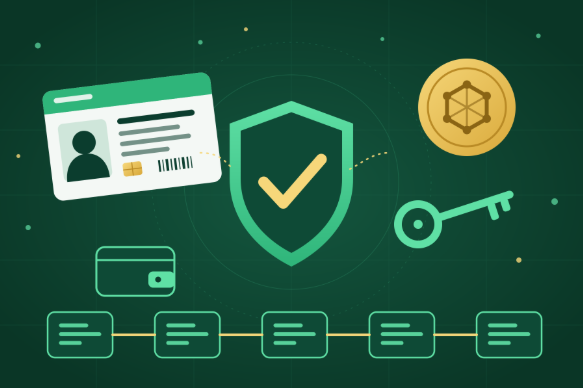
Showing a service your ID does not, by itself, give that service the private keys to a self-custody wallet. Keys control the ability to sign transactions. Identity documents establish who a customer is for the provider’s records. They serve separate purposes.
Wallet custody depends on the product you use. If a provider holds assets in an account on your behalf, it generally controls the keys for that account. If you receive coins in your own self-custody wallet, protecting its recovery phrase is your responsibility. No legitimate identity check should require you to hand over that phrase. Treat any request for it as a warning sign.
KYC Means Everyone Can See Your ID
Unlike public blockchain records, provider’s customer records are different. A blockchain can show a wallet address and transactions made, but it won’t show the ID photo you provided a service. In parallel, there is no assurance of anonymity with a public address. Sometimes exchange records and more information are associated with a person and can be used to link transactions to that person.
Generally speaking, privacy should be asked in the form of a practical question: Who gets your data, why and for how long? Read the privacy notice and find out if there is somebody who carries out verification, or not. Do not send any documents via messages or messages sent to people on social media sites or to addresses you did not initiate the communication with.
What Identity Checks Are For
KYC assists a provider in obtaining information about who they are dealing with, while responding to financial crimes risks. But it has some drawbacks that purchasers should be aware of. The provider still has to follow data practices and controls over their accounts, and you still have to monitor your spending and make sure that you keep your wallet details out of the public domain. The responsibilities do not go away when an identity check says approved.
