
 James
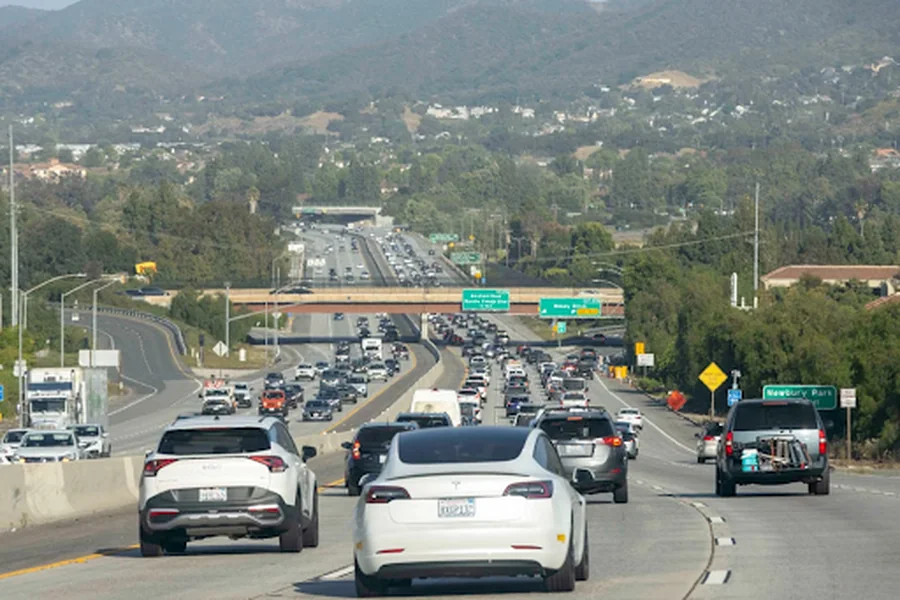
Every weekday morning, millions of people step into the predictable rhythm of their daily commute. Whether boarding a commuter train, driving personal vehicles through arterial highways, or calling a rideshare vehicle from an app, the expectation is straightforward: travel safely from point A to point B. Yet modern urban roadways are increasingly crowded, fast-paced, and unpredictable. A split-second error by an inattentive driver can abruptly turn a routine drive into a disorienting, life-altering event.
When a sudden crash occurs, the calm momentum of your day disappears instantly. Instead of arriving at the office or returning home to your family, you are left dealing with police cruisers, emergency medical personnel, and the immediate shock of physical impact. In a transportation landscape filled with commercial gig-economy vehicles, recovering from a serious collision requires navigating a complicated web of corporate accountability, insurance policies, and digital records.
The Pressure Cooker of Peak-Hour Travel
Peak travel hours create a uniquely volatile driving environment. Congested lanes, tight deadlines, and constant stop-and-go movements leave little room for error. Over the past decade, the rapid expansion of digital transportation platforms has introduced an entirely new layer of vehicle density to metropolitan streets. Rideshare vehicles now make up a significant portion of active traffic in downtown centers, circulating continuously while searching for passenger fares, navigating unfamiliar residential corridors, or pulling abruptly over to curbs.
According to safety studies tracked by the National Highway Traffic Safety Administration, traffic congestion and distracted driving behaviors remain primary contributors to catastrophic collisions across the country. Commercial gig-economy drivers face distinct operational demands that exacerbate these risks. Unlike standard motorists focusing solely on the road, rideshare operators must constantly interact with smartphone screens to accept incoming ride requests, track turn-by-turn routing, and monitor customer communications. This split attention significantly increases reaction times, turning sudden highway slowdowns into severe rear-end impacts or intersection collisions.
Why Rideshare Accidents Differ from Standard Collisions
When an ordinary vehicular accident occurs between two private motorists, resolving the aftermath follows a fairly predictable insurance procedure: drivers exchange personal policy details, file police reports, and wait for claims adjusters to assign liability. When a rideshare vehicle is involved, however, that standard framework dissolves into a web of competing corporate and personal policies.
Corporate liability in these situations is tied directly to the driver’s active digital status at the precise moment of impact:
- Stage 1 (Offline or App Closed): If the driver is not logged into the platform, corporate commercial insurance provides zero coverage. Any claim must proceed against the driver’s personal auto policy, which may be denied if the insurer discovers the vehicle was utilized for commercial work.
- Stage 2 (App Active, Awaiting Match): When a driver logs into the platform and roams the streets looking for a fare, a secondary contingency policy activates. This tier provides baseline bodily injury and property damage coverage, but policy limits remain relatively modest.
- Stage 3 (Trip Accepted or Passenger in Vehicle): The moment a driver accepts a digital match or transports a commuter, the platform’s full commercial liability policy takes effect. This substantial coverage applies universally to protect people involved in the crash.
Because liability shifts dramatically based on app connectivity, resolving claims is far more contested than typical motorist collisions. In these situations, an Uber rideshare accidents lawyer handles the multi-party claims process, working to establish liability across tiered corporate policies and secure compensation for medical expenses, lost wages, and long-term rehabilitation. Having clear legal representation prevents insurance carriers from minimizing the value of a claim while victims focus on their physical recovery.
Immediate Priorities in the Aftermath of a Crash
When a commute ends in an unexpected crash, shock and adrenaline can mask severe physical trauma. Taking methodical steps at the scene helps safeguard your health and your legal standing:
- Prioritize Medical Assessment: Even if you feel only minor stiffness, underlying musculoskeletal injuries, internal trauma, or concussions often take hours or days to produce noticeable pain. Getting examined by emergency personnel creates an immediate, objective medical record of your condition.
- Document the Scene Thoroughly: Photograph the vehicle positions, street signs, weather conditions, and visible damage from several angles. If you were riding as a passenger, take screenshots of your active trip receipt, driver information, and route map before closing the application.
- Identify Key Witnesses: Collect contact information from other motorists, pedestrians, and bystanders who saw the collision unfold. Independent witness statements are invaluable when corporate defense teams attempt to dispute fault.
- Request the Official Police Report: Ensure responding law enforcement officers take statements from all involved parties and document the commercial status of the rideshare driver.
Navigating Corporate Pushback and Disputed Liability
Recovering from a severe crash involves far more than vehicle bodywork. Injured individuals frequently face staggering medical debt, long-term rehabilitation costs, and lost income from missed days at work. While major transportation platforms promote substantial insurance coverage limits, accessing those funds is often met with aggressive corporate resistance. Insurance syndicates and corporate claims adjusters routinely attempt to shift blame, downplay physical injuries, or stall communications to pressure victims into accepting inadequate settlements.
Establishing direct accountability requires moving quickly before crucial electronic proof disappears. Technology platforms routinely overwrite in-app messaging, ride logs, and vehicle telematics unless served with formal evidentiary demands. Securing this digital footprint early ensures that corporate defense teams cannot dispute vehicle speed, route deviations, or the exact application tier active when the impact occurred.
Reclaiming Stability After Sudden Disruption
A violent accident during an ordinary morning or evening commute leaves lingering physical, emotional, and financial strain. It disrupts family schedules, strains household finances, and shatters your sense of routine security on the road. Navigating the complex legal aftermath is not something you have to handle alone while trying to physically heal.
By understanding the unique insurance dynamics of gig-economy transit and demanding complete accountability from corporate transportation platforms, injured individuals can secure the resources necessary for a comprehensive recovery. With proper medical care, meticulously documented evidence, and strong advocacy, you can clear the obstacles left in the wake of a crash and rebuild your life with confidence.
