
 James
A renovation is one of the most exciting projects a homeowner can take on. However, the most important work often happens before any design choices are made. Homeowners in Florida deal with heat, humidity, and heavy appliance use all year, which can quietly wear down the systems hidden behind walls and under floors.
A careful inspection at the start helps you catch these problems early, plan a realistic budget, and avoid tearing out brand new finishes to fix something that should have been addressed first.
Start With the Appliances You Plan to Keep
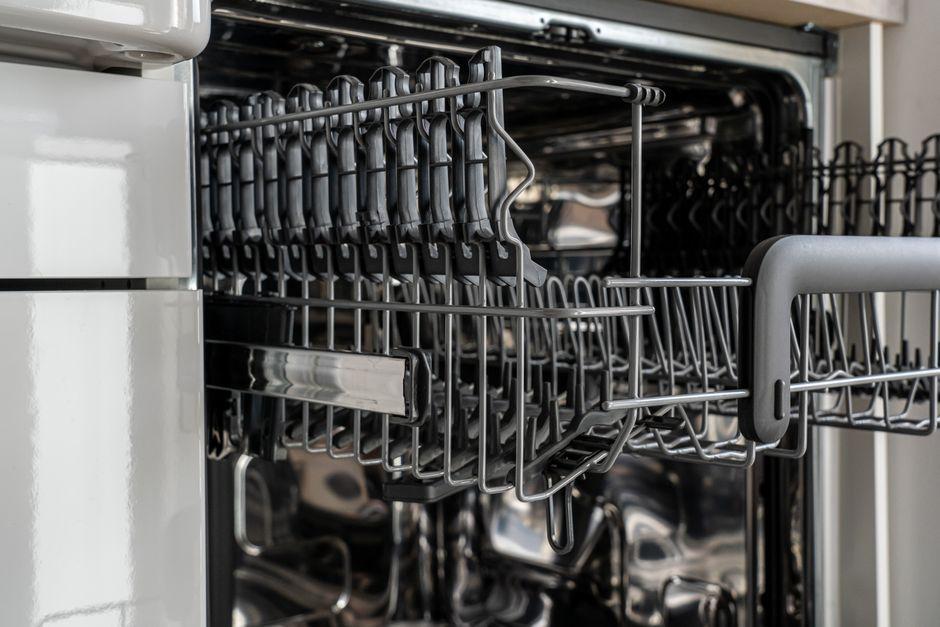
Many homeowners decide to keep some of their existing appliances during a renovation to save money and reduce waste. If your dishwasher is one of them, check whether it drains fully, fills properly, and runs without leaks or strange noises before new cabinets are built around it.
Small faults are much easier to fix while the space is still open, and a qualified technician can tell you whether the unit is worth keeping at all. Hiring a trusted local dishwasher repair service in Florida can help you catch worn parts early so the unit keeps running smoothly inside your new cabinets for years to come. Taking care of this early means the finished kitchen starts its new life with every appliance working as it should.
Check the Plumbing Lines and Shutoff Valves
Kitchens and laundry rooms carry more water than almost any other part of the home. Sinks, washing machines, ice makers, and utility tubs all rely on supply lines and drain pipes that sit out of sight for years. Before the renovation begins, look closely at every visible pipe and connection. Signs of rust, white mineral crust, or damp spots around fittings suggest that a line is aging or slowly leaking.
Shutoff valves deserve special attention. Many older homes have valves that have not been turned in a long time and may be stuck or fail to close completely. Test each one gently. If a valve does not stop the flow of water, have it replaced before work starts. Contractors will need to shut off water during the project, and a reliable valve can prevent a small task from turning into a flooded floor.
Review Electrical Outlets and Circuit Capacity
Modern kitchens and laundry rooms use a lot of power. Ovens, microwaves, coffee makers, washers, and dryers can all run at the same time, especially in busy households. Older electrical systems were not always designed for this kind of load.
Walk through the space and note how many outlets you have and where they sit. Look for scorch marks, loose covers, or outlets that feel warm to the touch. Pay attention to whether breakers trip often when several appliances are running. These are signs that the circuits may be overloaded.
Outlets near sinks and other water sources should have built-in safety protection that cuts power if something goes wrong. If your current outlets lack this feature, plan to update them. A licensed electrician can tell you whether your panel has room for new circuits and whether any wiring needs to be replaced.
Look for Hidden Water Damage and Mold
Moisture is one of the biggest threats to utility spaces. A slow drip under a sink or behind a washer can go unnoticed for months while it soaks into wood, drywall, and insulation.
Start by checking under sinks with a flashlight. Look for warped cabinet floors, soft spots, swollen wood, or dark stains. Pull appliances away from the wall where you can and inspect the floor and the lower part of the wall behind them. A musty smell is often the first clue that mold is growing somewhere out of sight.
If you find signs of mold, address it before any new materials go in. Covering it with fresh paint or new cabinets only hides the problem and allows it to spread. Fixing the source of the moisture and cleaning the affected area properly will protect both the renovation and the health of everyone in the home.
Inspect Laundry Room Airflow and Venting
Laundry rooms produce a great deal of heat, lint, and moisture. Good airflow keeps the room comfortable and protects walls and ceilings from humidity damage. Poor airflow, on the other hand, can lead to peeling paint, mildew, and appliances that work harder than they should.
Check the dryer vent from end to end. The hose behind the dryer should be firm, free of crushing or kinks, and clear of heavy lint. Follow the vent to the point where it exits the house and make sure the outside flap opens freely. Lint buildup is a fire risk, so this step matters for safety as well as performance.
Evaluate the Flooring and Subfloor Condition
Floors in kitchens and laundry rooms take constant punishment. Heavy appliances, foot traffic, and spills all leave their mark over time. Before choosing new flooring, check the condition of what sits underneath it.
Walk slowly across the room and notice any spots that feel soft, bouncy, or uneven. Listen for creaks or cracking sounds. These can signal a weakened subfloor, often caused by past leaks. Installing new tile or wood over a damaged base will lead to cracks, gaps, and loose boards within a short time. A solid, level base is the true foundation of a renovation that lasts for years.
Measure the Space and Plan the Layout Carefully
Even small measuring mistakes can derail a renovation. New appliances may be wider, deeper, or taller than the old ones, and doors need enough room to open fully. Measure every opening carefully, including doorways and hallways that new items must pass through on delivery day.
Think about how you actually use the room. Consider where you prepare food, where you fold clothes, and where you need storage most. A layout that matches your daily routine will make the finished space far more useful.
