
 James

You mow weekly and water when needed, but your lawn still looks tired. Thin patches, brown tips, and stubborn weeds persist despite seeding and fertilizing, while your neighbor’s lawn stays lush and green with little effort. Without a proper lawn care program, many homeowners face these problems.
Here’s the thing: Lawn problems are urgent, as the longer you wait, the worse they can get, and bare soil invites weeds. Besides, a patchy lawn can detract from the entire property, no matter how great your house or garden beds look.
Fortunately, with the right solutions, many of these problems can be resolved. Here are 6 easy ways to make your lawn look better.
1. Mow Correctly
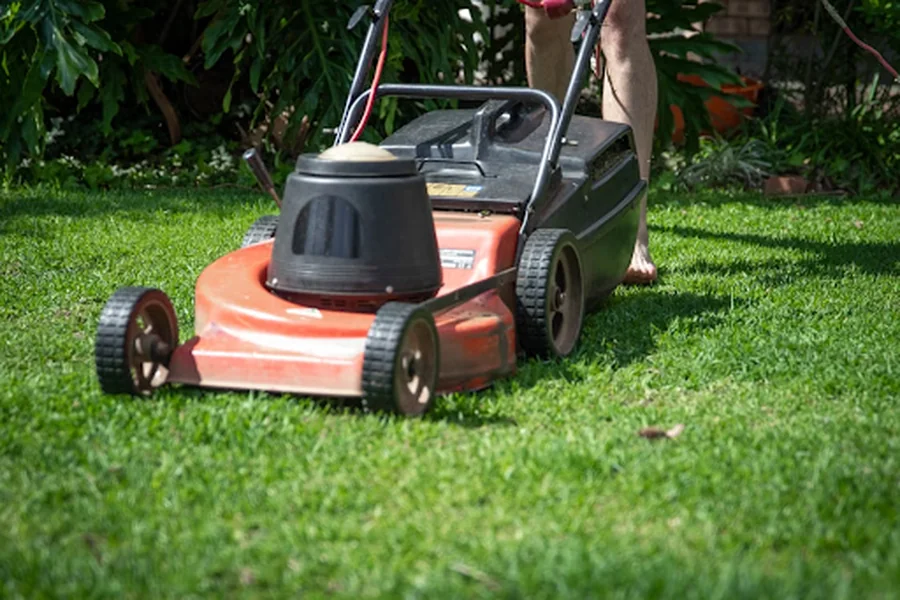
If the grass is cut too short, it becomes stressed and leaves bare soil exposed, creating areas where weeds can thrive. Maintain the correct blade height and don’t remove more than one-third of the grass blade during each mowing. For example, if your grass is 3 inches tall, you should remove no more than 1 inch.
Also use sharp mower blades because dull ones tear the tips of the grass, causing them to turn brown and making the grass more susceptible to disease. Instead of cutting off too much grass at once, mow frequently.
Avoid mowing during the heat of the day to prevent grass dehydration and sun scorch. It’s also important to vary your mowing pattern weekly, so the grass is cut evenly and ruts do not develop.
However, lawn care also depends on timing, weather, and grass type. A locally-owned lawn care company understands your area better and can create a customized treatment and care plan. They also offer landscaping services, including planting, grading, sodding, and design, to create a harmonious yard.
2. Water Deeply, Not Every Day
Water your lawn deeply rather than giving it light sprinkles every day. Frequent, shallow watering encourages shallow root growth, while deep watering encourages roots to grow deeper. Aim to provide about 1 inch of water per week, including rainfall, adjusting as necessary for weather and soil conditions.
Additionally, water early in the morning, ideally between 6 and 10 a.m., when wind and heat are generally lower. This reduces evaporation and gives the grass time to dry throughout the day, lowering the risk of fungal growth.
For newly seeded areas, water as much as needed, as they require frequent, short watering sessions to keep the soil moist while the seeds germinate.
3. Build Healthy Soil
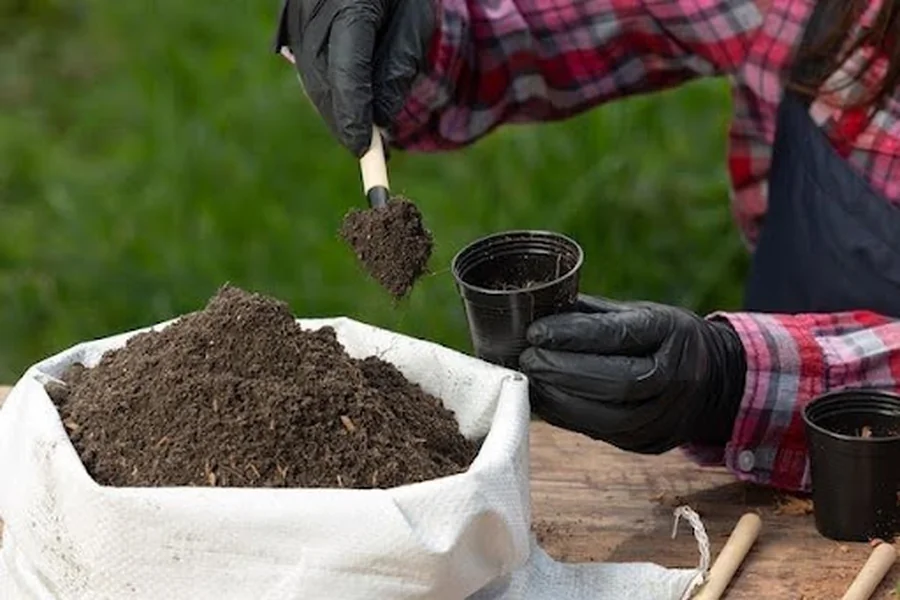
Better grass starts with healthy soil. Occasionally applying a thin layer of compost over the lawn can help improve soil structure. Spreading fine grass clippings can also help, as they break down and return nutrients and moisture to the soil.
Follow a seasonal fertilization plan suited to your grass type and soil. Cool-season grasses may need multiple applications during the growing season, typically around 1 pound of nitrogen per 1,000 square feet per application, depending on the lawn’s needs.
Test your soil’s pH first. Most lawns prefer slightly acidic to near-neutral soil. Apply lime to raise pH or sulfur to lower it. Adding organic matter also improves soil quality and supports healthy grass growth.
4. Aerate and Keep Clean Edges
Compacted soil limits roots’ access to air, water, and nutrients. If a garden fork cannot penetrate more than two inches, compaction may be the problem. Water as needed and core-aerate when the soil is moist but not overly wet.
Clean edges improve your lawn’s appearance. In spring, use an edger or half-moon tool to define boundaries along driveways, sidewalks, and garden beds. Use a straight board as a guide for a clean, even cut.
5. Repair Thin and Bare Areas
Thin and bare patches can make your lawn look uneven and unhealthy, affecting its overall appearance. But before replanting, determine what interferes with grass growth in the first place. Common factors include heavy foot traffic, shade, and soil compaction.
Loosen the soil surface, remove debris, and apply grass seed that is compatible with your existing lawn. For repairs, a rate of approximately 1½ pounds per 1,000 square feet may be suitable, depending on the seed mixture and the size of the area being repaired.
6. Control Weeds and Lawn Pests
Weeds are a menace to your lawn. Grubs and chinch bugs, for instance, can damage grass and its roots, causing brown, dead patches. If a patch of grass lifts easily like a carpet, grubs may be responsible.
Pests like grubs are active at different times depending on the species and life stage, and some are particularly active in late summer and fall. So, pick treatments and timing according to the pest’s life cycle and the severity of the infestation. If a treatment doesn’t work, consult a lawn care professional.
Pre-emergent weed control also helps prevent certain weeds from germinating, while post-emergent weed control treats weeds that have already emerged. Eliminating weeds gives your grass better access to water and nutrients, helping it grow thicker and better compete with weeds.
Conclusion
Consistent lawn care that includes proper mowing, deep watering, healthy soil, aeration, patch repairs, thatch removal, and pest and weed control creates a better-looking lawn. These practices build on one another, making small improvements more effective when combined.
While DIY methods can help maintain your lawn’s appearance, they often don’t address the root causes of problems. This can lead to recurring issues and wasted time and money. The best approach is to work with experts who can create an effective, tailored lawn care plan.
An experienced local lawn care company understands seasonal changes and can time treatments accordingly. If problems persist, schedule a professional visit. They’ll assess your lawn and tailor care to improve and maintain your lawn’s appearance.
