
 James
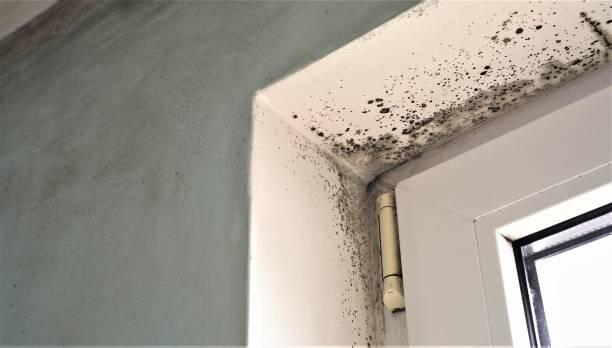
The cost of temporary housing during mold remediation may fall on a landlord, an insurance company, or the property owner, depending on the circumstances. If mold makes a home unsafe to occupy, figuring out who should cover hotel bills or rental costs can be just as stressful as dealing with the mold itself.
Let’s consider San Diego, California, where coastal humidity, seasonal rainfall, and moisture buildup in poorly ventilated homes can contribute to indoor mold growth. In neighborhoods such as La Jolla, Pacific Beach, and North Park, plumbing leaks, roof damage, and damp walls can create conditions that allow mold to spread inside residential properties.
For tenants and homeowners exposed to toxic mold in San Diego, understanding their legal rights is important. A mold lawyer can help them make informed decisions when remediation requires them to leave home.
Responsibility for Paying for Temporary Housing
Responsibility depends on the property's ownership, the cause of the mold, the lease terms, and any applicable insurance coverage.
The Landlord May Have to Address Unsafe Conditions
California landlords generally must maintain rental properties in habitable condition. Under California Civil Code § 1941.1, certain conditions involving dampness, inadequate waterproofing, and other defects can affect a property's habitability.
If a landlord's failure to address leaks or moisture problems contributes to a serious mold issue, the landlord may have legal obligations to repair the property. Whether the landlord must also pay for a hotel or alternative accommodation depends on the facts, applicable law, and the tenant's agreement.
Homeowners Insurance May Cover Additional Living Expenses
Homeowners insurance policies sometimes include Additional Living Expenses (ALE) coverage. When a covered event, such as a sudden burst pipe, causes damage that makes the home uninhabitable, this coverage may help pay for reasonable additional accommodation and certain extra living costs.
Mold-related claims can be more complicated. Some policies limit or exclude mold damage, particularly when it results from long-term neglect or unresolved moisture problems, so coverage depends on the policy language and the cause of the damage.
Renters Insurance May Help Tenants Relocate
Renters insurance may also provide ALE or loss-of-use coverage when a covered event makes a rented home temporarily uninhabitable. However, mold itself may not be a covered cause of loss under every policy.
Tenants should contact their insurer, review their policy, and keep receipts for accommodation, meals, and other eligible expenses.
What If Nobody Agrees to Pay?
Disagreements often arise when landlords, insurers, and tenants interpret their responsibilities differently. A tenant might believe the landlord should cover a hotel, while the landlord's insurer disputes responsibility for the underlying damage.
If this happens, take these steps:
- Document the problem: Photograph visible mold, water damage, and affected belongings.
- Keep written records: Save repair requests, landlord communications, inspection reports, and remediation notices.
- Review insurance coverage: Ask the insurer to explain any denial or limitation in writing.
- Keep receipts: Record temporary accommodation and additional living expenses.
- Seek legal advice: A mold attorney can assess whether the landlord, insurer, or another responsible party may have legal obligations.
How Can a Mold Attorney Help?
A mold lawyer can review lease agreements, insurance policies, property inspection reports, and communications about the problem. If a landlord failed to address a known moisture issue or an insurer improperly denied a valid claim, an attorney can explain possible remedies based on the evidence.
Legal guidance may be especially useful when mold exposure has allegedly caused health problems. Keep medical records and seek advice from a qualified healthcare professional if you experience symptoms.
Key Points to Remember
- Temporary housing costs may be covered by a landlord, homeowners insurance, or renters insurance, depending on the circumstances.
- California habitability laws may apply when mold is linked to unresolved property defects.
- Insurance coverage depends on the policy and the cause of the mold.
- Photographs, written communications, inspection reports, and receipts can support a dispute.
- A mold lawyer can help clarify legal responsibilities and identify possible options for recovering housing expenses.
