
 James
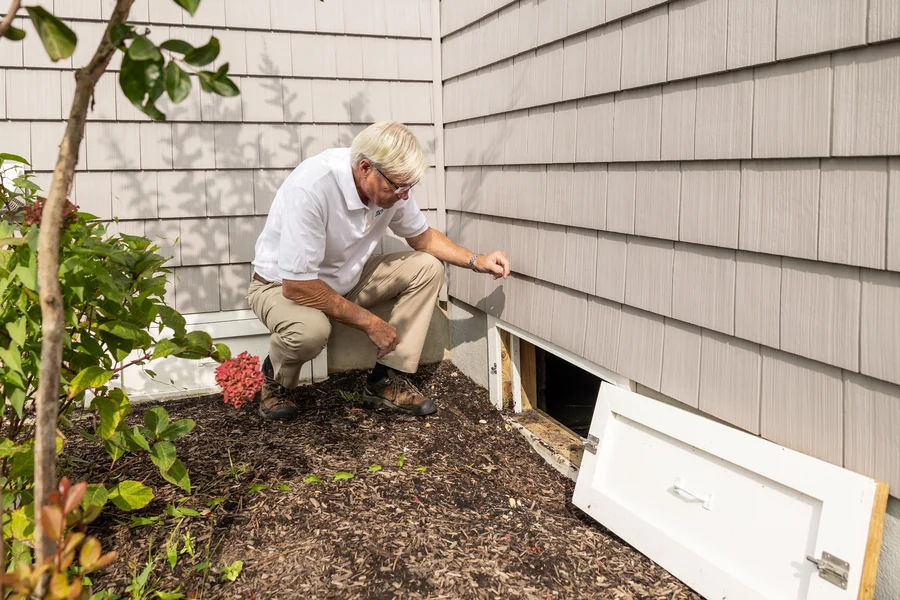
Exterior Upgrades are probably what you think of when you’re planning upgrades, and you’re thinking of curb appeal first. Yes, but the much bigger consideration is performance! Every component of your home from roof to siding, gutters to ventilation, plays a role in how your home performs during stormy weather, in regard to moisture, heat loss, and for home repair over the years. Wherever freeze-thaw, winter wind, rain and summer moisture are present like in Stark County, being smart outside can help save your family money as well as your house.
- Your exterior works as one system, not a set of separate parts
- Storm damage is often subtle before it becomes expensive
- Material choice affects maintenance more than most people expect
- The best estimate is rarely the lowest one
- Energy efficiency depends on installation details, not just materials
- Timing your project well can save money and headaches
- Exterior upgrades shape resale value, but buyers notice quality fast
Your exterior works as one system, not a set of separate parts
Many homeowners view roofing, siding and drainage tasks as separate projects and prioritize them as such. In reality they act as a single building envelope system. If the roof does not shed water well, it’s on the siding. Poor installation or an outdated siding can allow moisture to flow behind the wall assembly where problems can arise and remain undetected for months.
This holistic perspective is crucial when evaluating bids. If the roofing estimate is relatively low, without considering all the extra features like the flashing, soffits, fascia, or attic ventilation, then the true issue remains untreated. It’s the same with siding quotes which just speak about its colour and square footage.
When you talk with a roofing and siding company in Stark County, pay attention to whether they discuss ventilation, water management, underlayment, trim details, and transition points. Those details usually separate a cosmetic update from a durable one.
Storm damage is often subtle before it becomes expensive
Most people notice exterior damage only when it becomes obvious: a missing shingle, a leak stain on the ceiling, or a strip of siding hanging loose after wind. The more expensive issues usually start smaller. Granule loss on asphalt shingles, lifted tabs, cracked sealant around penetrations, or tiny gaps along trim can quietly open paths for water intrusion.
After a hailstorm or heavy wind event, you might not see dramatic damage from the driveway. That doesn’t mean your exterior escaped cleanly. Soft metals can dent, flashing can shift, and water-shedding layers can weaken in ways that reduce service life.
A practical habit helps here: inspect from the ground with binoculars, check attic spaces for dampness or daylight, and photograph suspicious areas. If you notice repeated gutter overflow, siding warping, or dark streaking near roof intersections, schedule a professional inspection before the next season compounds the damage.
Material choice affects maintenance more than most people expect
Exterior choice of materials is not only a matter of style. They’ll help determine your home maintenance plan, future repair expenses, and how weather-tolerant your home will be. While they are still popular, asphalt shingles come in a variety of wind ratings, impact resistance and algae resistance.
Choices for siding are similar. Vinyl siding is in use because it’s relatively easy to maintain and cost efficient, but there are several important considerations to keep in mind beyond the specs in the brochure: thickness of vinyl, fastening methods and moisture control features. There are different engineered wood and fiber cement products with varying ability to look and perform, but with varying installation requirements.
It will bring more results if you ask specific questions rather than general ones. Inquire about the underlayment and if there is an ice and water barrier for any susceptible areas, trim transitions and manufacturer specifications used by the crew. Improved answers most often indicate improved workmanship.
The best estimate is rarely the lowest one
A low quote can look attractive when exterior work already feels expensive. The problem is scope. Two estimates may list the same square footage and produce very different outcomes because one includes tear-off disposal, flashing replacement, ventilation improvements, and upgraded accessories while the other does not.
Read estimates like a checklist, not a final number. Look for line items covering drip edge, starter strips, ridge components, house wrap, flashing, sealants, fascia repairs, and cleanup. Ask who handles permit requirements if they apply in your area. Confirm whether the crew is insured and whether workmanship warranties are clearly written.
You should also ask who supervises the project day to day. A polished sales process doesn’t guarantee a disciplined install crew. The quality gap often appears on the jobsite, where scheduling, weather protection, debris control, and communication either stay organized or fall apart quickly.
Energy efficiency depends on installation details, not just materials
Exterior products advertise to be energy efficient but the material isn’t necessarily the key to the solution. Real world performance is determined by installation details. The lack of ventilation in the attic will create warm and moist conditions that will require your HVAC system to run longer and harder, reducing shingle life. Even if the visible part of it appears clean, gaps behind siding can allows air tolerance and moisture to enter.
If you have hot or cold rooms upstairs in summer and winter, then your exterior might be to blame. There are many relationships among the items listed above. Adding new siding or new roofing will contribute to comfort—if it is done at the time of the project.
This matters even more in climates with humid summers and cold winters. Homes need to shed water, release trapped moisture, and resist air leakage at the same time. A contractor who explains those building-science basics is usually thinking beyond surface appearance.
Timing your project well can save money and headaches
Most homeowners respond when problems have become dire. It makes sense, but, in emergency situations, there will only be a couple of options. Scheduling, financing, product selection and having contractors available may be more constrained. If you find yourself in the middle of peak storm season, you may find that you’re forced to accept whatever booking companies have available, rather than the best companies offered.
The more prudent way to do this is to take action at the time of the warning signs. If your shower is curling, if there are minor leaks in the shower and they recur throughout the year, if the panels are loose, if the shower is fading with brittleness, or if there are repeated failures of the caulk, then it is time to think about replacing the shower. The total cost of replacing parts before water reaches the decking, sheathing or interior finishings is generally lower.
The off season will also provide you a lot of time to do thorough bidding comparisons. It is possible to check the details of the warranty, enquire about how installation will be done, and even make decisions, without the pressure of a bucket collecting water in your hallway.
Exterior upgrades shape resale value, but buyers notice quality fast
Exterior work can affect the eyes of a buyer almost instantaneously, if it is for sale in a few years. People who buy a rooftop and siding ask for its maintenance record. An overused roof is an indication of extra costs. The house appears to be well cared for with the fresh exterior finishes indicating that it is in good condition.
However, consumers and inspectors are detecting cut corners. Out of line lines, improper flashing, rough lines, protruding fasteners, and poorly fitted trim are prominent. This applies to brand new roofs on top of broken fascia or poorly maintained gutters. Help will be provided through presentation, but consistency is the important factor.
Keep in mind when thinking about selling, documentation should be in good order. Keep contracts, product data and information, colour selections, warranties and before and after pictures. Those records can make the upgrade easier to comprehend and can boost the self-confidence of the buyer. That paperwork isn’t just useful when they are in need of a move, it’s important if they have to do more repairs, change the insurance, or add more renovations in the future.
