
 James
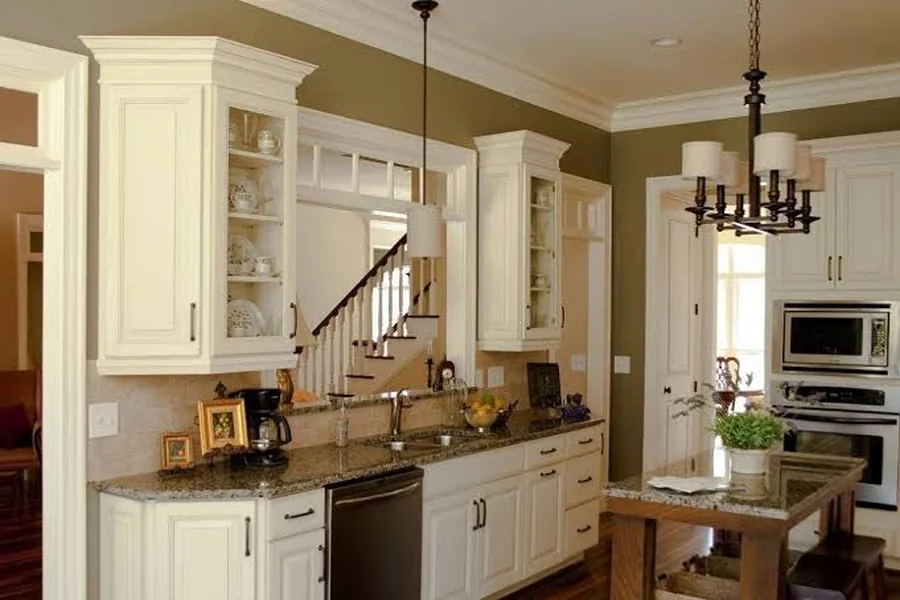
Some trends are ever evolving and some stay relevant because it’s just because it simply works. One of them is raised panel doors. They come in a style that provides depth, shadow, and hand-crafted elements not found with flat styles with a center panel set above the frame. They feel perfectly at home in any kitchen and add character and warmth in a transitional area.
They also age well. The style is old school, so it seldom gets “old news” and it will complement a wide selection of counter, backsplash and hardware finishes. A sweet, pastel white, a dark cherry stained surface or a natural wood colour could all facilitate the same basic design to come across as classic, comforting or touchingly elegant.
When looking at raised panel doors for cabinetry replacement or refreshing, it’s helpful to understand the construction of the door and consider some key features. You can handle the decision of whether to opt for raised panel with Cabinet Doors and this list will help you make your way.
Understand the Construction
A raised panel door includes a panel in the center followed by a frame constructed from rails and stiles, and with the center panel raised off the level of the rails. The panel is supported in grooves which allow it to move with humidity. That’s an important consideration in terms of durability – and it’s why it’s a matter more than appearances.
Choose Your Profile
The decorative edge may be beveled, curved, ogee or arched and the frame may feature beadwork of its own. A subtle profile will do for a transitional kitchen, and a more elaborate design for a traditional one. Inspect in lighting conditions like the ones you will encounter at the sample location, as light shadows convey the character of each feature differently.
Think About Wood and Finish
Hardwoods such as maple, oak and cherry are common, each with its own grain and color. Painted finishes hide grain and give a uniform look, while stains highlight the wood. If you plan to paint, choose a species with a smooth surface. If you plan to stain, consider how the wood takes color. Ask about finishing options and how they hold up to kitchen wear. Cabinet Doors also breaks down raised panel cabinet doors for readers who want to dig further.
Consider Indoor Air Quality
Some cabinet components use engineered materials and adhesives. The U.S. Environmental Protection Agency provides consumer information on formaldehyde standards for composite wood products, which is a useful reference when you are asking suppliers about their materials. A knowledgeable seller should be able to explain how their products comply.
Keep Cleaning in Mind
The grooves around a raised panel can collect dust and grease, especially near the stove. Wipe them regularly with a soft cloth and mild cleaner, and use a small brush for tight corners. Painted finishes may need touch-ups over time, while stained doors may benefit from occasional conditioning. Think honestly about how much maintenance you are willing to do.
Compare Value Over Time
Consumer Reports notes in its kitchen cabinet buying guide that construction and materials affect how well cabinets last. Doors that hold their shape and finish for years can be a better value than lower-priced options that warp or chip.
Measure and Order Carefully
Measure each opening, decide on overlay or inset styles, and double-check hinge locations and hardware choices. Ordering the wrong size is an expensive mistake. If you are unsure, consult the supplier before placing an order, and confirm lead times so your schedule stays on track.
Pair the Doors With the Right Hardware
The appearance is as important as the door itself, and is set by the hardware. For a more traditional look, use cup pulls and bin pulls; for more transitional, sleek bar handles the raised panels. Brushed brass, oil rubbed bronze and polished nickel add different textures. Hold a couple of items against a sample door and think about your hand size and frequency of use of each cabinet.
Plan for Installation
Heavier doors (e.g. raised) will require heavier hinges and ensure the cabinet boxes are solid. Sometimes an upgrade to reduce the noise and wear is the use of soft-close hinges. If you can’t do it yourself, choose a professional to install hinges as the smallest of errors will be apparent on a style that features well-defined profiles and shadow lines.
Know the Lead Times
Often times the quality doors will be custom-made, and you should factor in production and shipping times. Request a quote, clarify if it involves additional days to finish and don’t schedule the installation or countertop date until after the doors are delivered.
Inspect on Arrival
As doors arrive, immediately un-pack them and compare doors to the order. Check for scratches and a rough surface, as well as for warping and the proper size dimensions, before installation.
Making Your Choice
Raised panel doors look as though they have stood the test of time, they have a classic taste. Select a profile you’re fond of, choose a finish that will suit your life and be conscious of the construction and measurements. If you take the time to attend to them, you’ll end up with cabinets that remain beautiful now and will continue to do so many years down the road.
