
 James
James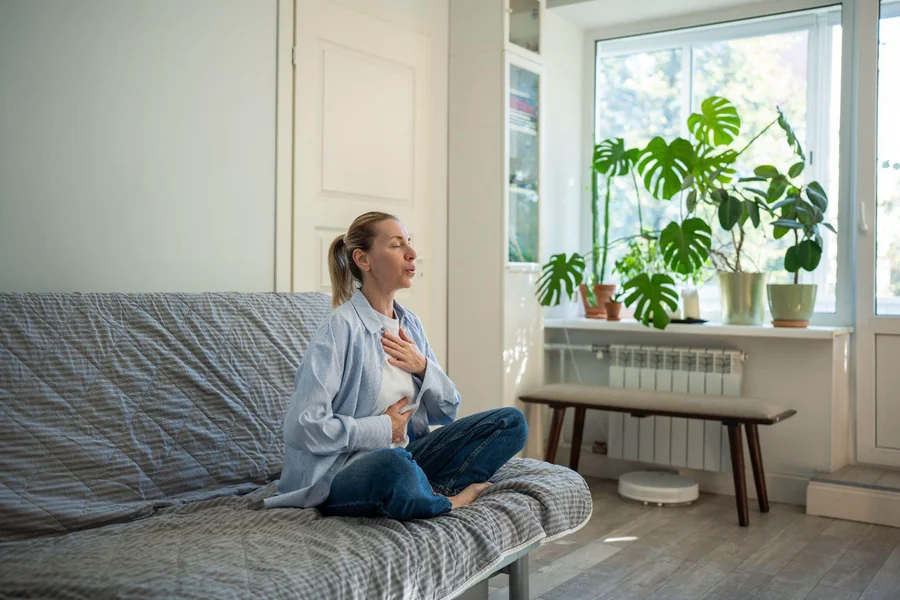
Occasional tension is a familiar part of life for many people, especially when work, family demands, limited rest, and constant digital attention all compete for space in the day. It may not always feel overwhelming, but it can still affect mood, patience, focus, and the ability to settle into a calmer routine. Daily wellness support can play a meaningful role by helping people build habits that promote balance, rather than waiting until stress becomes harder to manage. Small, consistent choices often shape how the body and mind respond as tension begins to build in ordinary life.
- What Helps Daily Balance
- Why Consistent Wellness Habits Can Make Tension Easier to Manage
- How Daily Support Encourages a More Stable Mind and Body
- Why Daily Routines Often Matter More Than Big Occasional Fixes
- How Personal Awareness Helps Wellness Support Work More Effectively
- Why Gentle Support Can Strengthen Everyday Resilience
- Why Daily Support Can Help Tension Feel More Manageable
What Helps Daily Balance
-
Why Consistent Wellness Habits Can Make Tension Easier to Manage
Daily wellness support often matters because occasional tension usually does not appear out of nowhere. It tends to build through repeated patterns such as poor sleep, rushed meals, mental overload, limited movement, or the feeling of never fully slowing down. When people give regular attention to these everyday pressures, they may find that tension becomes easier to notice and easier to handle before it affects the whole rhythm of the day. A person looking into CBD delivery in Austin may also be considering convenience and how wellness products fit into a broader routine centered on calmer habits and more consistent self-care. That connection is important because support works more effectively when it is part of a larger pattern instead of a last-minute reaction to stress. Hydration, balanced meals, fresh air, movement, quiet time, and steady routines all help build a stronger foundation. When those habits are present, occasional tension may still happen, but it often feels less likely to take over the entire day or create the same level of disruption in mood and comfort.
-
How Daily Support Encourages a More Stable Mind and Body
Wellness support can help manage occasional tension because the body and mind respond to repetition. A person who moves regularly, sleeps on a steadier schedule, eats more consistently, and creates moments of calm each day is often giving the nervous system more chances to reset before pressure builds too far. This does not mean life becomes stress-free. It means the body may be less likely to remain stuck in a tense, overstimulated pattern when everyday challenges appear. Daily support helps by creating steadier conditions around the person rather than asking for one single moment to solve everything. For example, someone who takes a short walk after work, limits late-night screen time, and builds a simple evening wind-down routine may notice feeling less mentally crowded at the end of the day. These habits do not erase responsibility or emotion, but they may support better recovery between demands. That kind of recovery matters because occasional tension is easier to manage when the body has more opportunities to return to a calmer baseline, rather than carrying strain from one day directly into the next. Some people also incorporate wellness products such as CBD oil into their evening routines as another way to support relaxation and create a calming transition after a demanding day.
-
Why Daily Routines Often Matter More Than Big Occasional Fixes
Many people think stress support has to come from one dramatic change, but daily wellness usually works through smaller patterns that become meaningful over time. A rushed morning, skipped lunch, too much caffeine, poor hydration, and no real pause between tasks can all make occasional tension feel sharper than it otherwise would. On the other hand, simple routines can soften that effect by creating structure and predictability. That might include stretching in the morning, keeping regular meals, stepping outside for a few minutes, limiting overstimulation in the evening, or creating a short quiet ritual before bed. These actions may seem modest, yet they often shape how the body handles stress more than people expect. Daily support matters because it helps reduce the constant strain that makes small frustrations feel larger. Instead of reaching the end of the day already exhausted and emotionally tight, a person may feel better equipped to navigate everyday responsibilities with more patience and steadiness. In that way, wellness support is less about chasing a perfect feeling and more about improving the conditions that influence how tension shows up in everyday life.
-
How Personal Awareness Helps Wellness Support Work More Effectively
Daily wellness support tends to be more useful when people begin paying attention to how occasional tension actually shows up for them. Some people notice it in restless sleep, tight shoulders, or a shorter temper. Others feel it as mental fog, low motivation, or the sense that even small tasks are harder than usual. Once those signs are easier to recognize, daily support becomes more focused and practical. A person who realizes that tension rises when meals are inconsistent may prioritize better nourishment. Someone who notices that overstimulation makes evenings harder may protect more quiet time. This kind of awareness matters because wellness habits work more effectively when they are connected to real patterns rather than copied randomly from someone else’s routine. Daily support becomes less about doing everything and more about doing what helps the individual stay steadier. That can also make the process feel more realistic and easier to maintain over time. When people understand their own signals and triggers more clearly, they are often better able to choose supportive habits that fit daily life and help reduce the feeling that occasional tension is always in control.
-
Why Gentle Support Can Strengthen Everyday Resilience
One of the most useful things about daily wellness support is that it helps build resilience in a quiet, sustainable way. Resilience does not always look dramatic. Often, it looks like sleeping a little better, reacting less sharply, recovering more quickly after a difficult moment, or noticing tension before it grows. These small shifts can matter a great deal because they improve how daily life feels over time. A person may still face busy schedules, emotional demands, and unexpected problems, but better support can make those experiences feel less consuming. Gentle daily habits often encourage a steadier relationship with stress by supporting thebody’ss basic needs and reducing the constant strain that makes occasional tension harder to manage. This can include routines around rest, movement, nourishing food, hydration, calming spaces, and mindful transitions between different parts of the day. When these supports are present, a person may feel more capable of handling ordinary stress without becoming as depleted by it. That kind of resilience often grows quietly, but it can shape daily well-being in a lasting and meaningful way.
Why Daily Support Can Help Tension Feel More Manageable
Daily wellness support can play a real role in managing occasional tension, as tension often responds to how everyday life is structured. When people build steady habits around rest, movement, nourishment, and calmer routines, they create conditions that may help the body and mind feel more balanced under ordinary pressure. This kind of support does not need to be dramatic to matter. Often, it is the repeated daily choices that make occasional tension feel less disruptive and easier to recover from. Over time, that steadier foundation can help people move through life with more calm, awareness, and emotional flexibility.
