
 James
James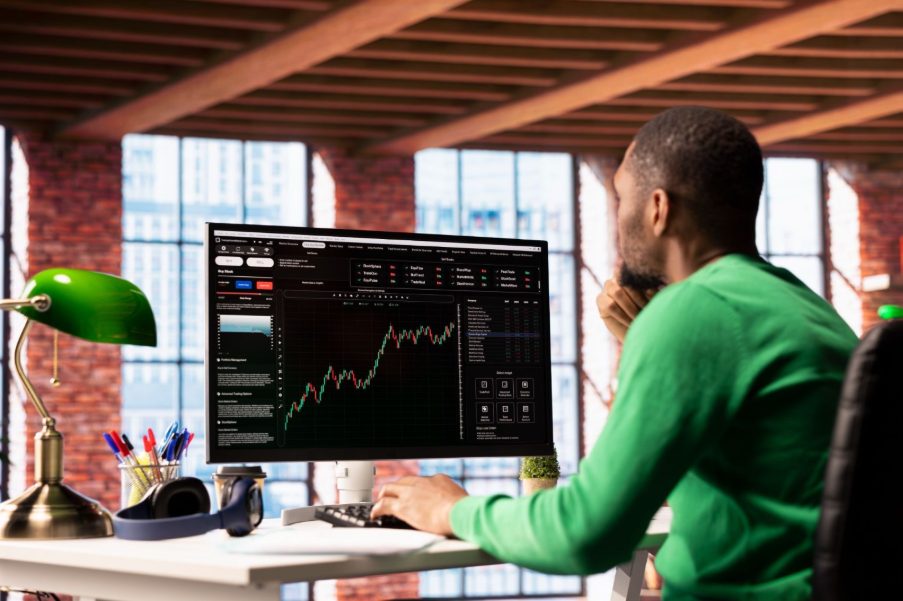
Trading the stock or currency markets is highly risky and can be incredibly confusing at first. Newbies often look at the flashing red and green numbers on a screen and make wild guesses about where prices will go next. This usually leads to lost capital and depleted accounts because the market fluctuates without warning.
To stop this from happening, experienced people keep public diaries online where they explain their daily moves. They explain why they entered a trade, their risk strategy, and reasons for exiting the trade.
Spending time reading a good trading article helps struggling or inexperienced traders understand these fast-moving numbers by turning confusing math into simple lessons. By checking these sites every week, a trader can practice making smart decisions without losing actual cash. Let’s explore how a trading blog can help hone your skills.
Making Sense of the Charts
Trading platforms have charts that help you interpret price movements on a screen. These graphs have what looks like graphs that an engineering professional drew in their spare time. If you are new to trading, these graphs make no sense, and you will need help decoding them.
When you visit a trading blog, these lines are separated and explained using simple terms. The trading blogger also uses pictures and screenshots to show where prices usually stop falling and where prices stop climbing.
Through these daily articles, you naturally pick up the knack for reading a chart slowly. They indicate the exact moments when price breaks through a ceiling (resistance) line, teaching readers how to spot a real move versus a “fake-out” that leaves people stuck in a bad position.
Using Risk Management Rules to Protect Winnings
The quickest way to lose money in trading is by betting too much on a bias. In expert articles, professionals share simple risk management insights to make sure a bad day does not ruin your account. They constantly emphasize risking only a fraction of every dollar at one time.
By watching how the pros set up their stop-loss order, you begin to lose the urge to gamble recklessly. They give detailed instructions on how to set up automatic safety buttons, which ensure you will automatically exit a bad trade even if power or internet connection goes out.
Spotting Bad Habits and Emotional Triggers
The market will make you feel two emotions strongly: greed to overleverage on winning positions and fear to exit prematurely when losing.
Your analysis will be wrong from time to time; even seasoned professionals don’t always get it right. However, when you enter a losing trade, an overly emotional person will often bet bigger to recover the loss. In most cases, it ends badly.
On a trading site, bloggers share these negative emotions openly. Mastering trading psychology is crucial; they explain the fear of missing out and discloses simple tricks for staying calm. Reading about the massive blunders of older pros acts like a shield, preventing a student from repeating those same mistakes.
Copying the Journaling Habits of the Pros
Most people who fail in the markets do not keep a journal. They just click buttons, hope for the best, and never retrace their steps.
Meanwhile, many professionals attribute their breakthrough in trading to journaling. Professional writers use their sites to show off their personal spreadsheets and diaries, where every buy, sell, and mistake is written down for the world to see.
Seeing this level of transparency and organization makes a reader realize that guessing never works. Soon, you pick up the habit of keeping a personal trade diary, which allows a person to look back at their own history and cross out bad habits before they cost more money.
Translating Major World News Events
Prices do not change on their own. They move because of factory reports, decisions made by big banks, and unemployment reports. For a beginner or strictly technical analyst, reading raw business news can feel like trying to read a textbook in Latin.
In top-quality trading articles, these massive news stories are explained in plain English. For instance, it clearly lays out the step-by-step path of how a new rule in Washington or London changes the price of oil or gold. This builds a strong understanding of how money moves in the real world, stopping a person from opening a trade right before a giant, unpredictable news event drops.
Contemplating a New Trading Strategy
Traders don’t execute orders or interpret the markets the same way. There are many different styles for finding good prices or entry levels. Some people like to look at clean charts with nothing on them, while others use special indicators that calculate averages on the screen.
By reading a variety of different authors, a student gets to see all these unique styles side-by-side. For example, they compare the difference between swing trading and scalping, where positions are held for just minutes. This wide variety helps a person pick a style that matches their own patience levels, instead of just copying whatever is popular on social media.
Bottom Line
Learning how to trade successfully takes a lot of practice, deep focus, and excellent chart-reading habits. Making an online trading blog a normal part of your afternoon routine makes the hard parts of the market much easier to understand. The confusing chart shapes become simple, the risk management rule becomes second nature, and angry trading habits cease.
Moving from a confused beginner to a calm, smart thinker happens much faster when you follow the exact footprints of people who have been doing this for years. Ultimately, these simple online journals turn scary financial topics into easy, everyday steps that protect your capital and help your earnings grow safely over time.
References
https://www.investor.gov/additional-resources/spotlight/formerdirectorlorischock-directors-take/thinking-day-trading-know-risks
https://www.forbes.com/advisor/investing/trading-psychology/
https://www.investopedia.com/terms/s/stop-lossorder.asp
