
 James
James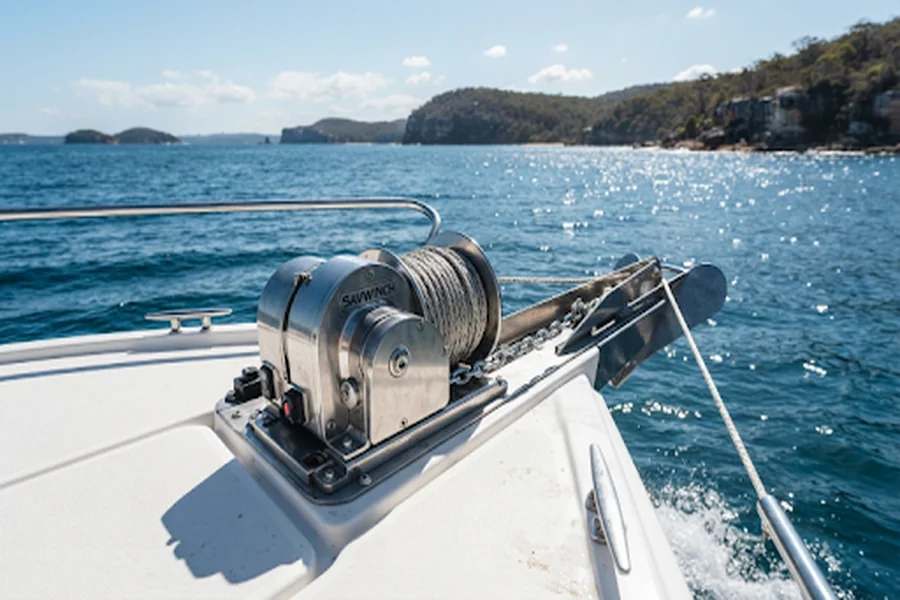
- Introduction
- Understanding the Role of an Anchor Winch in Aussie Boating
- What is an Electric Anchor Winch and How Does It Work?
- Advantages Over Manual Anchoring for Australian Boaties
- Main Benefits of Using an Anchor Winch on Your Boat
- Convenience and Labour Savings on the Water
- Enhanced Safety and Secure Operations
- Types of Electric Anchor Winches Available in Australia
- Drum Anchor Winches Explained
- Comparing Drum Winches With Capstan and Windlass Models
- Key Features to Consider When Buying an Anchor Winch
- Motor Power, Cable Length, and Pulling Capacity
- Corrosion Resistance and Materials for Aussie Conditions
- Installation and Maintenance Tips for Electric Anchor Winches
- Step-by-Step Installation Guide for DIY Boaties
- Conclusion
- Frequently Asked Questions
- What price range should I expect for a quality anchor winch in Australia?
- Are there any common problems or disadvantages with electric anchor winches?
- Can I install an electric anchor winch on any boat?
Introduction
The decision to buy an electric anchor winch may seem more difficult than it is. You need a boat anchor winch that will fit your boat, operate smoothly and reliably and be suitable for everyday use here in Australia. Here’s a guide to the most important points to consider so you can make a clear comparison and select the best fit for your boat and anchoring habits.
Understanding the Role of an Anchor Winch in Aussie Boating
An anchor winch is a A very important tool for many boat owners. It makes it easier to raise or lower the boat anchor, important when boat length increases, or anchoring conditions become more challenging.
In Australia, the type of anchor winches you select can influence the complete experiential voyage of anchoring. It’s essentially about saving effort, gaining control and more riding confidence. This leads into the working of an electric model.
What is an Electric Anchor Winch and How Does It Work?
An Electric Winch is a mechanical device which is powered by the electric motor to control and move your anchor line up or down according to your needs. Can minimize the use of manual heavy lifting and can help to ensure smooth operation.
Basically the motor operates a drum, capstan or winch. When that movement is recalled or released, it returns or releases line as you type it. The system should be appropriate to your anchor weight and weight of your ground tackle.
In purchasing one, check for pulling capacity, length of cable, corrosion resistant and layout of the boats. If you match those fundamentals, it will make daily anchoring a lot easier.
Advantages Over Manual Anchoring for Australian Boaties
Manual anchoring can be tiring, especially with heavy anchors, strong currents, or regular stop-start fishing trips. A reliable anchor winch cuts down the physical work and gives you steadier control.
That matters for Australian boaties who want less hassle and more time enjoying the water. It also adds peace of mind when conditions change quickly.
- It reduces heavy lifting and repeated strain at the bow.
- It improves consistency when handling line and ground tackle.
- It can be one of the most useful boat accessories for frequent anchoring.
Main Benefits of Using an Anchor Winch on Your Boat
A boat anchor winch helps with safe anchoring by giving you better control over your boat anchor. That means fewer rushed movements and more reliable performance during set and retrieval.
Just as important, it gives peace of mind. You spend less energy wrestling with gear and more time focusing on positioning, water depth, and the conditions around you. The next sections break those benefits down further.
Convenience and Labour Savings on the Water
The biggest day-to-day gain is convenience. If you anchor often, lifting heavy anchors by hand soon gets old, especially in chop or strong currents.
A powered system brings smoother operation and helps you work faster. On a smaller runabout or a fishing boat doing multiple drops, that saved effort adds up across the day.
- You avoid repeated hauling by hand.
- You manage anchor retrieval with more control.
- You make short stops easier when fish move or weather shifts.
Enhanced Safety and Secure Operations
Here is the short answer: an anchor winch improves safety when it is correctly matched, installed, and maintained. It supports secure operations by reducing rushed manual handling at the bow.
For boat owners, that means more focus on the boat’s position instead of the strain of hauling gear. It also helps with safe anchoring when the anchor line and winch are working together properly.
There can be downsides, though. Poor setup, weak electrical connections, or skipped maintenance can lead to trouble and even costly repairs. That is why winch type matters.
Types of Electric Anchor Winches Available in Australia
Australian boaties can choose from several types of anchor winches. The main options include drum anchor winches, vertical windlass units, and horizontal windlasses, each suited to different boats and deck layouts.
The difference comes down to how line is stored, how the unit sits on deck, and how much available deck space you have. Let’s compare the most common setups.
Drum Anchor Winches Explained
Drum winches store the anchor line on a spool, which keeps the setup tidy and easy to manage. For many recreational boats, that is a popular choice because the line is contained neatly.
They can suit different boat length ranges, but the match must still reflect boat size and total ground tackle weight. A small mismatch can hurt smooth retrieval.
| Feature | Drum winches |
| Line storage | Stores anchor line on the drum |
| Best fit | Useful where tidy line management matters |
| Key check | Must match boat size, boat length, and ground tackle |
| Practical benefit | Helps reduce loose line on deck |
Comparing Drum Winches With Capstan and Windlass Models
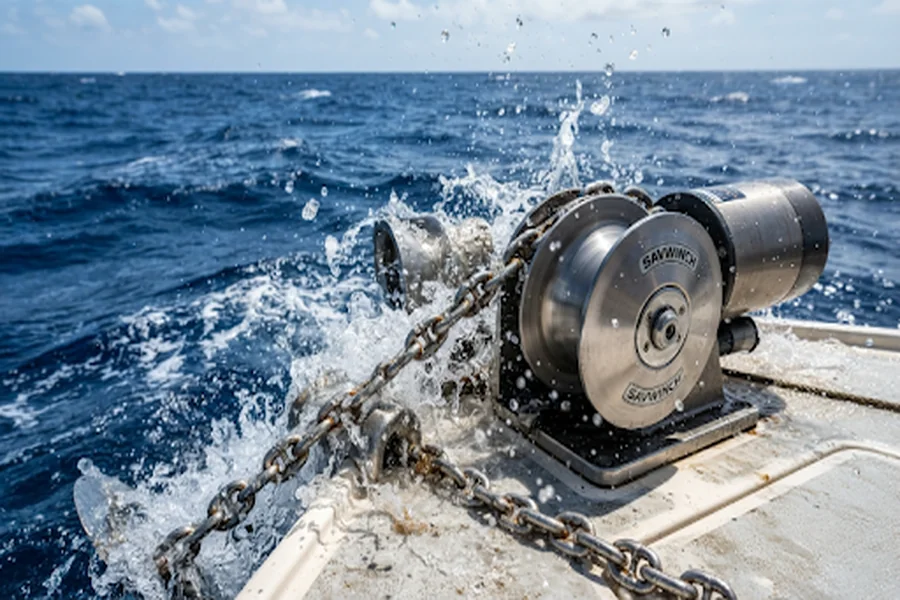
A windlass anchor winch moves line or chain through the unit instead of storing it on a drum. A capstan operates differently and may fit certain anchoring styles.
The main differences are in mounting and line handling—some units mount horizontally, others vertically.
- Drum winches store line on the drum.
- Windlass models are preferred for anchor chain handling.
- Capstans work well with simple deck setups and select boat accessories.
Key Features to Consider When Buying an Anchor Winch
To choose the right winch, start with the basics: boat length, boat anchor size, deck layout, and the total load your system must lift. A boat anchor winch should fit your boat, not just your budget.
A quality winch matches the job. If the size is wrong, even a well-made unit can feel underpowered or awkward. The next two sections cover the biggest buying points.
Motor Power, Cable Length, and Pulling Capacity
If you are asking how to choose the right size anchor winch for your boat, start here. The best fit depends on anchor weight, motor power, pulling capacity, and how your deck layout affects installation.
A simple way to think about it is this: your winch must comfortably handle the weight of your boat’s anchoring load, not just the anchor alone. Water depth and line length matter too.
- Check the total weight of your ground tackle.
- Confirm the cable length suits your usual anchoring depth.
- Make sure the pulling capacity gives a safe working margin.
Corrosion Resistance and Materials for Aussie Conditions
Australian boating conditions can be rough on equipment. Salt, spray, and harsh weather conditions quickly expose weak materials and poor finishes.
That is why corrosion resistance should be high on your list. Stainless steel parts and other durable materials can help your winch hold up better over time, especially if the boat lives near the coast.
For boat accessories Australia buyers use often, long-term durability matters as much as power. A winch that resists rust and wear can save you frustration, downtime, and avoidable replacement costs.
Installation and Maintenance Tips for Electric Anchor Winches
Even the best unit will struggle if installation is poor. Good electrical connections, the right mounting position, and enough room around the bow all support a reliable anchor winch.
Once fitted, simple maintenance makes a big difference. Regular maintenance helps protect performance, reduce wear, and lower the risk of faults. Here is a practical setup guide for DIY boaties.
Step-by-Step Installation Guide for DIY Boaties
A basic step-by-step installation starts with checking fit. Make sure you have enough available deck space, a clear line to the bow roller, and a mounting area that suits the winch type.
Then focus on the wiring and the anchor path. Poor electrical connections or a bad line angle can create problems from day one.
- Measure the mounting area and confirm the winch suits the space.
- Align the unit with the bow roller for clean line travel.
- Complete secure electrical connections and test operation before use.
Conclusion
In summary, investing in an electric anchor winch can greatly improve your boating experience. By understanding the different types and features, you can choose the best option for your needs. These winches offer unmatched convenience, safety, and efficiency—especially for those wanting hassle-free anchoring. With proper installation and maintenance, your winch will provide reliable service for many trips. Ready to make anchoring easier? Explore your options and get started today!
Frequently Asked Questions
What price range should I expect for a quality anchor winch in Australia?
Boat anchor winch prices vary by size, capacity, and materials. Quality winches cost more than basic boat accessories, so compare features before buying. Review specs carefully to ensure the right fit before purchasing.
Are there any common problems or disadvantages with electric anchor winches?
Yes. Electric anchor winches can have issues like poor wiring, incorrect sizing, or lack of maintenance, leading to costly repairs. Still, for many boaters, the convenience of avoiding manual lifting and easier ground tackle management outweighs these drawbacks.
Can I install an electric anchor winch on any boat?
Not always. An electric anchor winch must suit your boat size, deck space, and boat anchor setup. Some boats have specific requirements around layout, mounting area, and bow access, so it is worth checking fit carefully before you buy.
