
 James
James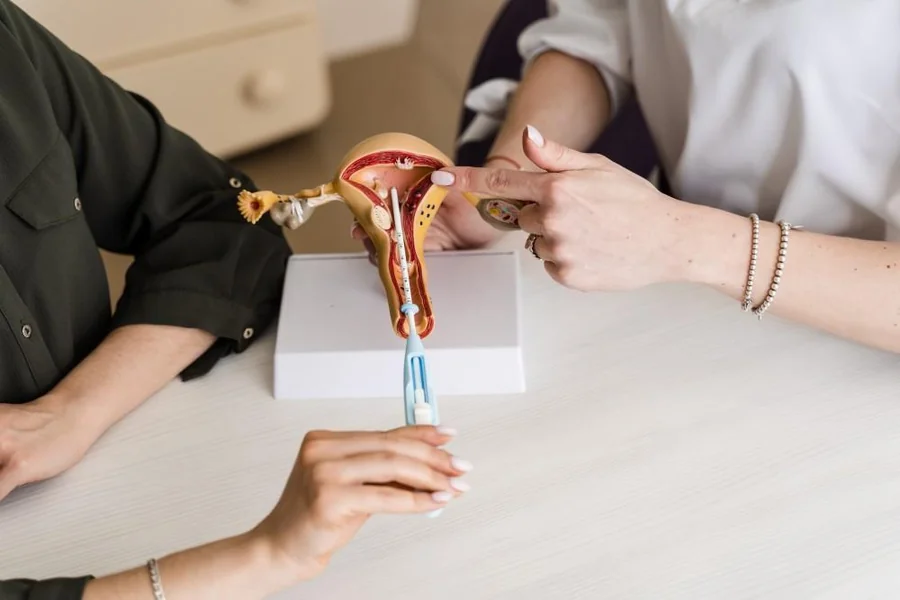
When the majority of individuals consider an IUD, they probably believe of dependable long-term birth control. The trillions of microscopic organisms that exist in the reproductive tract are likely what they do not consider. These small microorganisms are also referred to as the microbiome that aid in keeping vaginas healthy and contributes to the overall balance of the body.
With scientists learning more about the human microbiome, researchers have started to pose an intriguing question. Will an intrauterine device (IUD) have any effect on the microbial populations in the vagina and uterus?
The answer isn’t entirely straightforward, but current research offers some intriguing insights. Before diving into what studies have found, it helps to understand what these microbiomes are and why they matter, and how you can add probiotics for women to your routine for enhanced balance.
- What Exactly Is the Female Reproductive Microbiome?
- How IUDs Work, and Why Researchers Are Interested in Their Microbiome Effects
- What Research Says About IUDs and the Vaginal Microbiome
- Do Hormonal and Copper IUDs Affect the Microbiome Differently?
- What About the Uterine Microbiome?
- Signs Your Microbiome May Need Extra Attention
- An IUD Is Just One Piece of the Microbiome Puzzle
What Exactly Is the Female Reproductive Microbiome?
In the female reproductive tract, there are a variety of communities of bacteria and other microorganisms. The vaginal microbiome is one of the microbiomes that has been researched widely. The environment in most of these healthy women is dominated by beneficial Lactobacillus bacteria that aid in maintaining a balanced pH and promoting the overall wellness of the vagina.
The uterine microbiome is not known as well, though. Historically scientists have thought that the uterus was totally sterile yet recent studies have shown that there can be some microbial populations even in the uterus.
Exactly what those microbes do and how they affect reproductive health are still being investigated. A variety of factors can influence these microbial communities, including hormone levels, menstrual cycles, sexual activity, stress, and age.
How IUDs Work, and Why Researchers Are Interested in Their Microbiome Effects
IUDs are tiny implants fitted into the womb to avoid pregnancy. They come in two major forms, the hormonal IUDs (that have progestin) and the copper IUDs (that depend on copper to provide an environment that inhibits fertilization).
Indirectly, hormonal IUDs impact the microbiome by altering hormone exposure and menstrual patterns. Copper IUDs produce a special environment in the uterus which may affect microbial populations in various ways.
Importantly, a change in the microbiome doesn’t necessarily indicate a negative outcome. Numerous transitions are non-permanent or might not be lasting or noticeable.
What Research Says About IUDs and the Vaginal Microbiome
The studies on IUDs and vaginal microbiome have yielded conflicting outcomes. Others have reported small shifts in bacterial communities with the placement of the IUD, and some have found no to minimal long-term disturbance.
Researchers assume that the different results could be explained by personal factors such as genetics, the present composition of the microbiome, lifestyle choices, and the kind of IUD placed. In general, the existing evidence indicates that a good proportion of women have a healthy vaginal microbiome with an IUD, but personal experiences may vary.
Do Hormonal and Copper IUDs Affect the Microbiome Differently?
Hormonal and copper IUDs may influence the reproductive environment in different ways, mostly because they do their jobs differently. Hormonal IUDs release progestin, which can thin the uterine lining and often make periods lighter over time. Since menstrual bleeding can affect vaginal pH and bacterial balance, these changes may indirectly shape the microbiome.
Copper IUDs, on the other hand, do not utilize hormones. Rather, copper provides an environment that makes the survival of the sperm hard to sustain. Others have investigated the possibility that that copper-enriched environment also has impacts on surrounding microbial communities.
The results obtained to date are not universal. A few studies imply copper IUDs can be associated with more apparent changes in vaginal microbes than hormonal IUDs whereas others depict little long-term impact.
What About the Uterine Microbiome?
Since ancient times, the uterus has been believed to be sterile; however, more recent studies indicate that it might contain microbial communities. These microbes are not easy to study, in part due to the difficulty with collecting samples that might be contaminated by the vagina or cervix.
Since IUDs are placed in the uterus, scientists are interested in whether they impact the microbes in the uterus. Up to date, it is possible that there is an interaction, yet the specifics are being ironed out. Scientists are attempting to know what microbes are commonly found, what is considered normal, and is something altered or it is merely normal change.
Signs Your Microbiome May Need Extra Attention
Majority of individuals with IUDs do not have to worry about their microbiome. Nevertheless, discharge alteration, unusual smell, itching, irritation, or persistent painfulness can be an indication that the vaginal environment should be addressed.
It does not necessarily imply that the IUD is automatically to blame. Microbial changes may occur due to a number of reasons such as antibiotics, sex, hygiene habits, stress, hormonal changes, or your menstrual cycle. In case of persistent symptoms, worsening, or recurrence, it is advisable to visit a medical facility.
An IUD Is Just One Piece of the Microbiome Puzzle
That is, do IUDs affect the vaginal and uterine microbiomes? Perhaps, although the action varies with the individual, the kind of IUD and the initial microbial equilibrium in the body. To most women, IUDs do not seem to create a significant long term disturbance.
Reproductive microbiome is a dynamic, resilient and subject to numerous factors in our everyday life. An intrauterine device can feature in the tales, but not often as the entire plot.
