
 James
James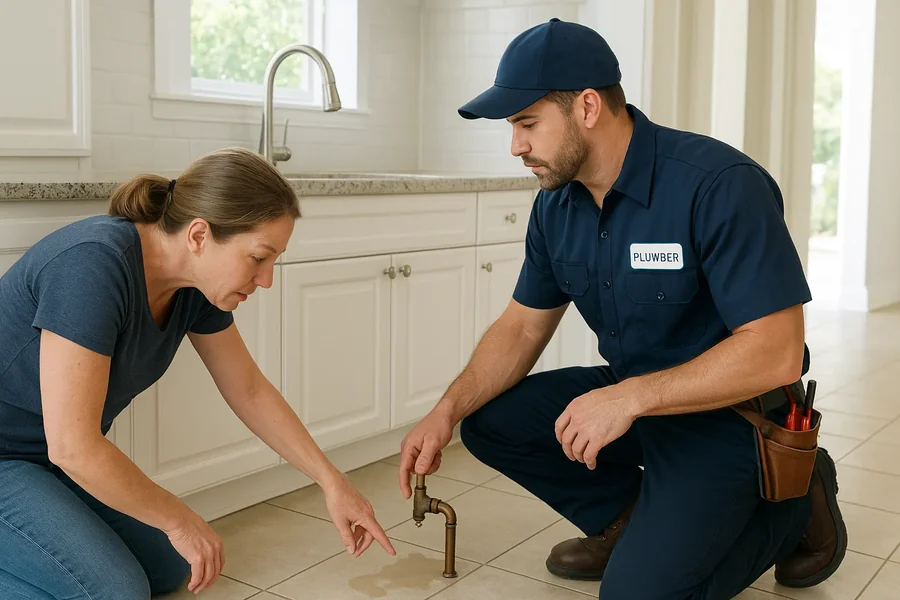
A plumbing emergency can become expensive quickly, but the first few minutes do not require expert repair skills. They require calm decisions. Your priorities are to stop the water, keep people safe, and prevent damage from spreading through floors, cabinets, walls, and belongings. For homeowners in South Texas who need local guidance after taking those immediate steps, emergency plumber New Braunfels is a useful resource from Beyer Plumbing Co. The locally owned company has served South Texas since 1990, and its emergency plumbing service page offers prompt help for issues such as burst pipes, toilet problems, drain backups, water heaters, and gas line concerns in communities throughout the region.
- Why the First Few Minutes Matter
- Step One: Stay Calm and Find the Water Source
- Step Two: Shut Off the Water
- Step Three: Protect Against Electrical Hazards
- What to Do for Common Plumbing Emergencies
- Burst or Split Pipe
- Overflowing Toilet
- Water Heater Leak
- Drain or Sewer Backup
- Step Four: Limit Water Damage
- Step Five: Document the Situation
- When to Call a Professional
- What Information to Share During the Call
- What Not to Do During a Plumbing Emergency
- Build a Simple Plumbing Emergency Kit
- Prevent the Next Emergency
- Common Questions About Plumbing Emergencies
- Should the Main Water Valve Be Turned Off for Every Leak?
- Can a Homeowner Clean Up Water Before the Plumber Arrives?
- How Fast Can Mold Become a Concern?
- Is a Slow Leak an Emergency?
- Conclusion
Why the First Few Minutes Matter
Water does not stay where it starts. A supply-line leak beneath a sink can soak cabinets and flooring, while a ceiling leak may indicate water traveling through a hidden space above. The first goal is not a permanent repair. It is damage control. Household leaks can waste thousands of gallons of water over time, and drying wet materials quickly can help reduce the likelihood of mold growth after an indoor leak.
Step One: Stay Calm and Find the Water Source
Before touching a valve, appliance, or wet surface, take a quick look at the situation. Identify whether water is coming from a fixture, supply hose, ceiling, wall, water heater, appliance, or drain.
- Look for spraying, dripping, pooling water, or bubbling paint.
- Check whether the issue is limited to one fixture or affects several rooms.
- Listen for water running inside a wall or below a floor.
- Keep children and pets away from standing water.
Step Two: Shut Off the Water
Most fixtures have a local shut-off valve. Look beneath sinks, behind toilets, near washing machines, or beside a water heater. The main shut-off valve controls water to the entire home and may be near the water meter, garage, exterior wall, or utility area.
- Close the fixture valve if the problem is clearly limited to one sink, toilet, or appliance.
- Turn off the main valve if water is spreading, spraying, or coming from an unknown location.
- Open a cold-water faucet after shutting off the supply to relieve remaining pressure.
- Do not force a corroded or stuck valve, since it can break and worsen the leak.
Regular home leak checks, including inspections of hoses, fixtures, and valves, make it easier to respond to an urgent problem.
Step Three: Protect Against Electrical Hazards
Water near outlets, cords, appliances, or an electrical panel can create a serious shock or fire hazard. Do not walk through standing water to reach a breaker box or unplug equipment. Leave the area if electrical equipment is wet, sparking, smoking, or producing a burning odor. Turn off power only from a dry, safe location. If you smell smoke or see sparks, call emergency services.
What to Do for Common Plumbing Emergencies
Burst or Split Pipe
Turn off the main water supply, then open a faucet to release pressure. If the area is safe, place buckets and towels beneath the leak. Avoid cutting into walls or removing pipe sections before the full extent of the damage is assessed.
Overflowing Toilet
Close the valve behind the toilet by turning it clockwise. If the bowl is still rising, carefully lift the tank lid and raise the float or close the flapper. Do not keep flushing to test whether the clog has cleared.
Water Heater Leak
Shut off the cold-water supply to the tank. For an electric model, turn off the power at the breaker only if you can do so safely from a dry location. For a gas model, do not handle controls if you smell gas. Leave the home and contact the gas utility or emergency services from outside.
Drain or Sewer Backup
Stop using sinks, showers, toilets, dishwashers, and washing machines immediately. Additional water can force contaminated wastewater into more rooms. Keep people and pets away, avoid direct contact with sewage, and isolate the affected area.
Step Four: Limit Water Damage
Once water is off and the area is safe, begin basic containment. Move electronics, rugs, books, furniture, and important papers away from wet areas. Use towels, buckets, or a wet-dry vacuum only when electricity is not a concern. Open doors and windows when conditions allow, and use fans only where cords will remain dry. Check closets, nearby rooms, cabinets, and ceilings because water can travel behind walls and beneath flooring.
Step Five: Document the Situation
Take photos and short videos before moving too many items. Capture the source of the leak, wide views of each affected room, and close-ups of damaged walls, flooring, cabinets, and belongings. Write down when the problem began, what you shut off, and which cleanup actions you took. Keep receipts for supplies and temporary repairs.
When to Call a Professional
Contact a plumbing professional promptly when the leak will not stop, several fixtures are affected, water is entering walls or ceilings, sewage is present, or the issue involves a water heater, a slab leak, a gas line, or the main sewer line. These problems can require specialized equipment and repairs that go beyond a safe temporary fix.
What Information to Share During the Call
- The type and location of the emergency.
- Whether the water supply has been shut off.
- Whether electricity, sewage, gas, or structural damage is involved.
- How long the problem has been active.
- Photos or videos of the affected area, if available.
What Not to Do During a Plumbing Emergency
- Do not keep running water to see whether the issue improves.
- Do not pour chemical drain cleaners into a severe backup.
- Do not touch wet electrical equipment or enter unsafe standing water.
- Do not open walls without a clear reason and plan.
- Do not attempt gas-line work yourself.
- Do not assume a small ceiling stain means the leak is minor.
Build a Simple Plumbing Emergency Kit
Keep an easy-to-reach kit with an adjustable wrench, flashlight and batteries, heavy-duty towels, small buckets, plumber’s tape, work gloves, a moisture meter if available, and a printed list of shut-off valve locations. Include contact information for your water utility and gas provider.
Prevent the Next Emergency
Find and label the main water shut-off valve now, not during an emergency. Test fixture valves once or twice a year, inspect washing machine hoses and water-heater connections, check beneath sinks for corrosion, and use a dye test to find silent toilet leaks. Keep gutters and exterior drainage paths clear, and schedule an inspection if your home has aging pipes or recurring leaks.
Common Questions About Plumbing Emergencies
Should the Main Water Valve Be Turned Off for Every Leak?
No. A fixture valve may be enough for a small, isolated leak. Shut off the main valve when water is spreading, a supply line has failed, or the source is hidden.
Can a Homeowner Clean Up Water Before the Plumber Arrives?
Yes, if the area is safe. Avoid water near electrical equipment, and do not handle sewage without proper protective equipment and professional guidance.
How Fast Can Mold Become a Concern?
Damp materials should be dried as soon as possible. Drying within 24 to 48 hours can reduce the risk of mold in many situations.
Is a Slow Leak an Emergency?
A slow leak may not always require after-hours service, but it needs prompt attention when it is inside a wall, beneath flooring, near electrical equipment, or causing visible damage.
Conclusion
In a plumbing emergency, stay calm, stop the water if it is safe to do so, protect against electrical and sewage hazards, limit the spread of water, document the damage, and get qualified help when the repair is not safe or straightforward. Moving valuables away from affected areas, avoiding unnecessary contact with contaminated water, and knowing the location of your main water shutoff valve can also reduce damage and improve safety. Taking photos before major cleanup begins may help with repair planning or insurance documentation. Smart action during the first 15 minutes can protect your home, reduce repair costs, and simplify the restoration process while helping plumbers identify and resolve the underlying problem more efficiently.
