
 James
James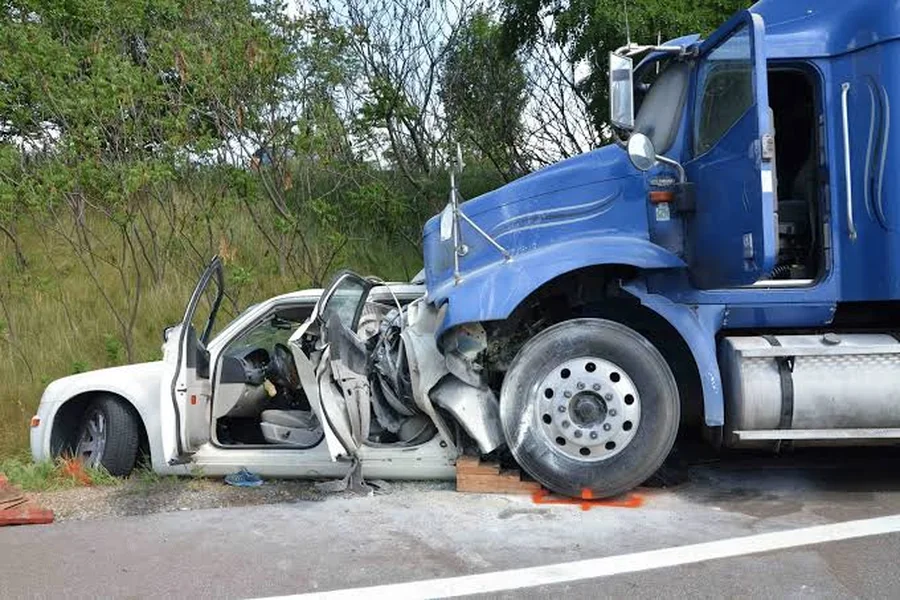
You’ve got 48 hours to get critical truck accident evidence before it’s too late. Footage from dashcams wipes out, black box data eradicates and witnesses lose recollection of what they saw. It’s the time span that distinguishes a credible claim from an unconvincing one, and that’s why the camera of your phone is more important than the police report. The truth is that what you use to prove in your settlement negotiations or in court from the first two days of evidence is the evidence you gather during those days. Let’s go over exactly what you need, what it establishes, and how you can obtain it without making a bad situation worse.
- Why Truck Crashes Are Different From Car Wrecks
- What To Do In The First Hour At The Scene
- The Two Pieces of Data Most Victims Never Think About
- Medical Documentation: The Evidence You Can’t Recreate
- Photographing Injuries Over Time: The Healing Process Tells a Story
- Dealing With Insurance Companies: What Not To Say
- Using Crash Data to Understand Your Claim’s Value
- Working With a Lawyer: When and Why It Matters
- Your Next Steps After Reading This
Why Truck Crashes Are Different From Car Wrecks
If you have encountered a car accident before, then there is no need to remember anything about accident evidence. You think truck crashes are governed by different rules and that’s because they are.
A commercial truck, for example, can be as much as 80,000 pounds when loaded. That is about twice as much as your sedan’s weight. Injuries are usually severe because the physics is bad; the law is what gets interesting. In the aftermath of a collision, trucking firms as well as their insurers send teams out in hours to figure out what went wrong, determine who is liable, and, yes, act in their very own best interests. They don’t wait for your lawyer to come in the picture.
You’re also dealing with layers of regulation that don’t exist in regular car crashes. The Federal Motor Carrier Safety Administration (FMCSA) sets strict rules for driver hours, vehicle maintenance, and cargo securement. FMCSA data from 2023 shows that driver fatigue was a contributing factor in roughly 13% of commercial truck crashes, which means the driver’s logbook and electronic logging device can literally make or break your case. A regular car accident doesn’t come with a paper trail like that, but a truck accident does, if you know how to preserve it.
What To Do In The First Hour At The Scene
Once your vehicle comes to a stop, the evidence collection clock begins running. The first rule of your “Do’s and Don’ts” is SAFETY, and the second is DOCUMENTATION! Now it’s your turn:
First call 911, or photograph second! Your base document is the official police report. There’s nothing better than it, nothing else can take the place of it.
If possible, go to a safe place. The safety is more important than a picture. When there is unsafe traffic, don’t go unless help is available; take photos from a distance of the traffic.
Turn on the video camera of your cell phone. Walk slowly around the entire scene. Take photographs from all angles of the trucks, vehicles, skid marks, trash piles, traffic lights, roads, weather conditions and damage.
Obtain the information plate for the truck. The USDOT number and MC number are on this sticker attached to the driver’s door frame. It designates the trucking company, and links them to federal safety records. Photograph it, do not write down the numbers.
Conference with witnesses on video. Inquire about the sighting and request their contact details. Their phone number and email is more valuable than their opinion on who was at fault.
This is a specific detail that most people don’t keep in mind: if the truck driver’s license is visible, photograph it (and the front of the logbook). You’re not being aggressive, you’re being thorough. The driver may be friendly at this moment, but completely different once he has spoken with his employer’s lawyers.
The Two Pieces of Data Most Victims Never Think About
Police reports can only get the bare facts, but there are two other data sources that can transform your truck accident case. The first is the electronic control module (ECM), also known as the black box, of the truck. This gadget captures the truck’s speed, braking habits, how fast the truck’s engine is spinning and sometimes even the driver’s actions in the last few seconds before the accident. Data is stored on the truck and the original data is overwritten as new data is added. That may result in the loss of evidence in days, or even hours, depending on the system.
The second one is the electronic logging device (ELD), which was introduced for most commercial drivers in 2019, and serves to replace paper logbooks. This records the driver’s hours of service continuously and indicates if he is driving his time beyond the driving limits set by the federal regulations. It also indicates if the driver made any false logs, something that is more prevalent than many people think.
You cannot access this data yourself. Only a lawyer with the right legal tools can file a spoliation letter and preservation order to force the trucking company to keep this data intact. This is one area where trying to handle a claim on your own puts you at a serious disadvantage. A truck accident attorney Denver residents trust will know exactly which preservation letters to send and when to send them, because those two documents often determine whether the black box data survives long enough to be useful.
Medical Documentation: The Evidence You Can’t Recreate
Here’s a truth about truck accident claims that surprises most people: the medical records are often the evidence that carries the case. The scene photos show what happened, but the medical records show what it cost you. That distinction matters because your compensation is tied to your damages, and your damages are tied to your medical documentation.
Go to the emergency room immediately, even if you feel fine. Adrenaline after a crash masks pain, and injuries like whiplash, internal bleeding, or traumatic brain injuries often show up hours or days later. The emergency room visit creates a contemporaneous medical record, which means the documentation happens at the time of the injury. That’s far more credible than a record created a week later when your neck finally locks up.
Follow every follow-up appointment. Keep every prescription receipt. Document every day of missed work. The insurance company will look for gaps in your treatment history and use them to argue that your injuries weren’t serious. A consistent paper trail from day one closes that argument before it starts.
Photographing Injuries Over Time: The Healing Process Tells a Story
Scene photographs capture the moment, but your injury photographs capture the aftermath. Take pictures of your injuries daily for the first two weeks, then weekly after that. Bruising deepens and spreads over days, and those changes visually demonstrate the severity of the impact. A small bruise on day one can become a massive discoloration by day three, and that visual progression is compelling evidence for a jury or a claims adjuster.
Also photograph your vehicle’s damage from multiple angles. The crumple zones, the point of impact, the deployed airbags, all of it. Vehicle damage correlates with crash severity, and crash severity correlates with injury severity. These photos connect the dots in a way that words alone cannot. When you meet with your lawyer, they’ll want to see both sets of photos together to build the full picture of what happened to you.
Dealing With Insurance Companies: What Not To Say
The insurance adjuster will call you within 24 hours, sometimes within hours. They’ll sound friendly and concerned, but their job is to settle your claim for as little as possible. They’ll ask for a recorded statement, which they will use to find contradictions in your story and minimize your injuries. You are not legally required to give one, and you are not required to speak with them beyond basic reporting of the accident.
Here’s what you should do instead. Give them minimal facts: the date, the location, and the fact that you’re receiving medical care. Do not discuss fault, do not guess at the cause, do not estimate your injuries, and do not sign anything. Every sentence you speak to an adjuster becomes a piece of evidence they can use against you. Refer them to your lawyer, and let the professionals handle the negotiation.
Using Crash Data to Understand Your Claim’s Value
Understanding the broader crash landscape helps you set realistic expectations. The National Highway Traffic Safety Administration (NHTSA) publishes detailed statistics on truck crashes each year. Their 2022 data showed that 5,548 people died in crashes involving large trucks, a 2.5% decrease from the prior year but still a staggering number. These statistics matter because they contextualize your case. Serious injuries from truck accidents tend to involve higher medical costs, longer recovery times, and more significant lost wages, which all factor into settlement calculations.
Vehicle size disparity is another factor. When a truck collides with a passenger vehicle, the occupants of the passenger vehicle bear the overwhelming brunt of the force. That reality shapes how adjusters evaluate pain and suffering, because the severity of the impact is objectively documented in the damage to both vehicles.
Working With a Lawyer: When and Why It Matters
You might wonder whether you need a lawyer at all, especially if the insurance company offers a fast settlement. That offer is designed to close your claim before you fully understand your injuries or their long-term costs. Trucking companies have teams of lawyers, investigators, and adjusters on their side. Going up against that apparatus alone is a losing proposition for most people.
A lawyer brings three things you don’t have: the legal authority to demand preservation of black box data, the experience to calculate your true damages, and the leverage to negotiate from a position of equality. They also know that truck accident cases often involve multiple liable parties: the driver, the trucking company, the maintenance provider, and sometimes the cargo loader. Identifying all of them requires investigation that goes beyond the accident report.
Your Next Steps After Reading This
You now have a clear picture of what evidence matters and when to collect it. If you’re reading this after an accident, start with the photographs and medical care. If you’re reading this before an accident, save the checklist somewhere you can find it. Preparation is the only advantage you can build before a crash happens.
Here’s a thought worth carrying with you: the trucking company’s investigators will be on site within hours. Their evidence collection starts immediately. The question is whether yours does too. Are you ready to protect your own interests before someone else’s team gets there first?
