
 James
James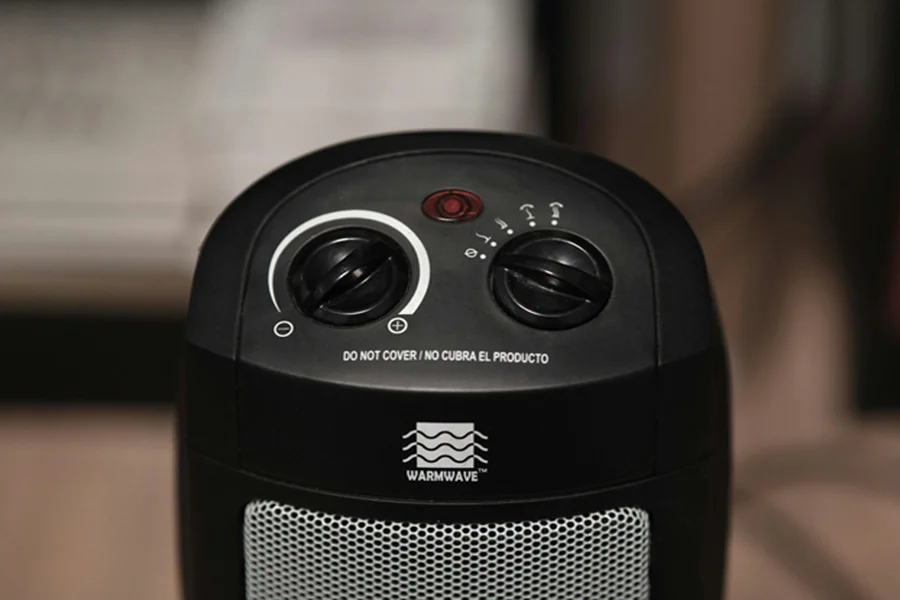
Extension cords work when a lamp, charger or other small appliance just won’t fit. The trouble occurs when that convenience turns into a way of placing the home wiring around and over instead of correct wiring, especially appliances consuming large amounts of power or generating significant amounts of heat.
Generally, it is much safer with large appliances to simply use the right outlet and adhere to the electrical specifications of the manufacturer. If it cannot be connected to a good outlet, it should be moved or the electrical installation should be upgraded rather than having an extension cord added to the installation.
1. Electric Heaters and Other High-Power Heating Equipment
Portable electric heaters consume a lot of electricity for a period of time, so should be plugged directly into a suitable wall outlet rather than an extension cord or power strip. This is a precaution that should be observed at all times when installing equipment which is primarily dependent for its main work on electric heating.
When it comes to permanent home additions that distinction becomes especially germane to the discussion. The choice of a specialist supplier, like premiumsaunas.com, or the decision to install an electrically powered machine may start with the design, but you have to take into account the supporting infrastructure. The project should include the correct circuit, outlet arrangement, manufacturer’s requirements and the required professional electrical installation work should not be a last-minute afterthought with an available cord.
When you find yourself needing an extension cord many times, the missing outlet can be the real problem to solve. A licensed electrician will be able to judge if it is a suitable receptacle or dedicated circuit that should be installed.
2. Refrigeratorsand Freezers
Although the refrigerator doesn’t appear to be as obvious a heating appliance problem, it is still a large appliance that is used for an extended period of time. This is one reason why using an extension cord is a not-so-great permanent solution.
There’s even a real-world argument for not connecting where it’s not needed. Food stored in your refrigerator requires continuous and uninterrupted functioning. It could be more expensive than a plug that was not connected than a standard countertop device just through power if it breaks loose, is damaged, or is disconnected accidentally.
This also goes for freezers, especially those in garages, basements or utility rooms, where the connection to the closest outlet can be less convenient. Connecting to it with an extension cord and then leaving it plugged in is an easy impulse to make.
Rather, look at electrical access as the criteria by which to decide where the appliance goes! If there isn’t a proper receptacle there to dispose of the object, decide what would be needed to make a suitable receptacle. The location of a large appliance should not be dependent on, or rely on, temporary wiring for permanent use.
3. Microwave Ovens

Photo by Clay Banks on Unsplash
Microwave ovens are convenient, but they consume power relatively.Convenience and relatively high power demand are the attributes of microwave ovens. They can be in use for just a few minutes at a time, and it’s easy to underestimate how much electricity they use when they are operating.
Thus, it is best for a microwave to also be provided with the proper receptacle, and not have to be connected via an extension cord all the time. This is especially valuable in the kitchen where many outlets may be already in use for other appliances.
Don’t get around that problem by placing adapters, power strips and extension cords behind the countertop. However, if the microwave is frequently plugged into a receptacle that is not used, it is not the length of the microwave’s factory cord, but the electrical arrangement.
Location is also important. Before buying a new microwave or rearranging the kitchen check the position of the cord exit from the microwave and check if the cord falls on the desired receptacle in the microwave without being stretched, pinched behind furniture or routed through areas where it can be damaged.
Some measurements before fitting can prevent the need for a ‘patch up’ electrical solution later.
4. Air Conditioners
Portable units or window air conditioning units can require a lot of power and overload electric circuits, especially during compressor run-up. They should not be plugged into any extension cord that is available.
Design the site with appropriate electrical access. With a window unit, it involves taking the location of neighboring receptacles into account before installing. For portable models, another placement challenge arises, as the exhaust must operate in the same location as well as the electrical connection.
Don’t extend the cord across the room, behind furniture or under a rug if the appliance doesn’t have a cord that can get to the outlet. Cords covered and pinched create extra dangers and may be difficult to see.
Frequent circuit trips, hot or tingling outlets, odors or other electrical issues should not be considered a trivial nuisance. Cease using the appliance and have it thoroughly inspected.
Cooling a room shouldn’t cause another issue in the electrical system to be created.
5. Washing Machines and Clothes Dryers
Another area where lasting electrical installations are important is laundry facilities. Washing machines use both electricity and water and electric clothes dryers might need a higher voltage circuit and a receptacle designed for the clothes dryer.
None of these are proper configurations for a homemade extension cord plug.
This is a temptation that can be created in laundry areas through the redesign of the equipment. Sometimes the connections were changed but not the washer, or perhaps the last owner’s machinery was in different locations. Instead of stretching wiring for the rest of the way, build it into the renovation.
In particular, the dryers require attention since not all home receptacles will supply the same electrical energy. An ordinary extension cord is not the right electrical extension to convert an incorrect distribution box into a proper power source for the electrical equipment intended for a different set of requirements.
This is the attitude for the rest of the house: simply because a plug fits in somewhere, it doesn’t automatically mean the electrical setup is correct.
Extension cords are not permanently needed, but are useful for a short-term duration. When used within their rating and per their instructions, they can supply easy power to appropriate gadgets. They shouldn’t not become “sticky” wiring for big appliances.
If your refrigerator, heater, air conditioner, microwave, or laundry equipment cannot reach an appropriate receptacle, consider that a signal to rethink the installation. The safest solution may involve moving the appliance or having the electrical system assessed rather than finding a longer cord.
That approach requires more effort initially, but it avoids building an everyday household routine around a temporary electrical workaround.
