
 James
James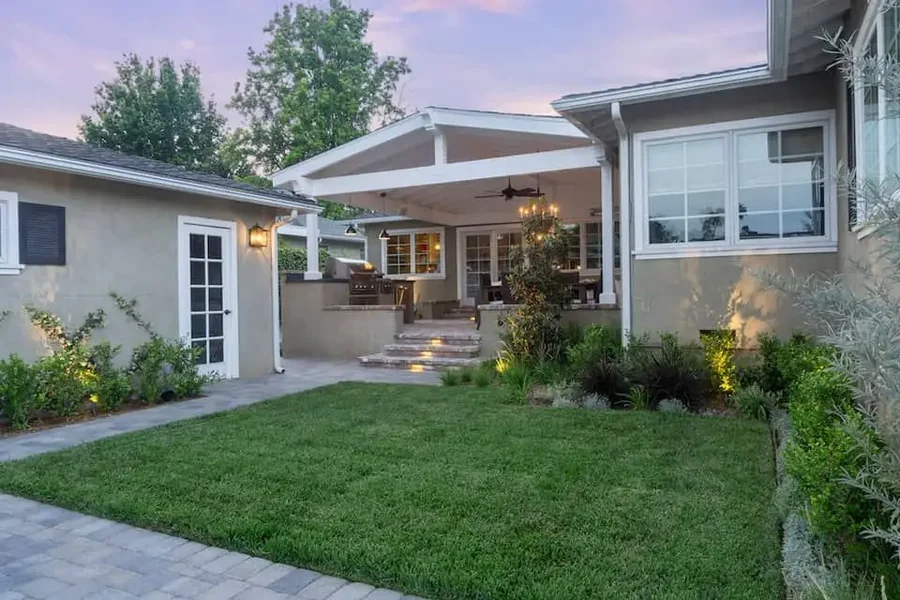
Whether you’ve lived in the same home for years or you’ve just moved in, you need to look at the backyard. Some people forget this space – at least for half of the year. They believe it is only useful during the summer months, but that’s incorrect. Your garden should be functional all-year-round.
Think about it. Your backyard could be thought of as an additional room in your home. If it is designed right, anyway. It might be a space where you host family dinners. It might be an area your kids can play as loudly as they want. Or it might be somewhere you can read in some peace and quiet.
No matter how you use your backyard, you want to get as much time out of it as possible. This means you need to take care of it now. Only by doing this will it last for years to come. After all, some homeowners put a lot of money into their yards, and no one wants investing in synthetic grass for your yard to go to waste.
Keep reading on to learn how to do just that.
1. Focus on Structural Maintenance
Don’t focus solely on landscaping and plants. The fences, patios, decks, and such in your yard also require care. Chances are, you invested a lot of cash into these components, so you don’t want to waste your money.
Such aspects, particularly those composed of wood, are at risk of damage. Rotting wood, for instance, is a common nesting spot for termites and rodents. Not only that, but if this damaged wood is used for decking or steps, then there is a chance of sudden collapses and potential injuries.
So, you need to monitor outdoor structures. Fences and other wooden pieces should be treated with water-repellent stains or sealants annually. This will block moisture damage.
Clean all areas, too. Leaves and debris should be swept away to prevent moss and algae growth. If you use a pressure washer on stone and pavers, then use a low-pressure. You’ll avoid stripping joint sand or mortar this way. Fresh joint sand can be applied if necessary.
2. Set Up Efficient Watering
When people think of caring for their yard, they imagine the plants. This is where setting up an efficient watering system comes in. You might choose to use drip lines or deep root soaking. Either way, the moisture will reach where it is needed. And your utility bills will likely lower as well!
Whatever watering system you choose to use – drip lines or soaker hose – it must be placed at the base of your plants. This guarantees the roots are targeted. You want to avoid getting the leaves wet, as this could cause disease to spread. Once placed, connect the line or hose to a water tap. Some people will choose to use a water timer, too, to run cycles early without manual effort.
Afterwards, spread mulch over the bare soil. This blocks the sun, keeps roots cool, and locks in moisture.
3. Add Ambient Lighting
Lighting doesn’t feel as important during summer. The nights are lighter, the days are longer. However, this should become more critical as fall and winter begin approaching. Your backyard needs adequate outdoor lighting – particularly if you want to use the space after dark.
Outdoor lights are incredibly beneficial. They allow you to move freely. They prevent trips on pathways. And they can even keep intruders away. With all of this in mind, why wouldn’t you use lighting to extend the life of your garden?
Imagine stepping out into the garden late at night. You cannot see the steps in front of you or the intruder hiding in a dark corner. Such concerns are put away with some ambient lighting. And that’s so many options to choose from:
- LED lights
- Path lights
- Solar lights
- String lights
That means there should be a lighting system to suit your preferences.
To conclude, you want to enjoy your backyard throughout the year and for years to come. You can only do this if you work to extend its life. If that’s what you want, follow the three tips outlined above.
