
 James
James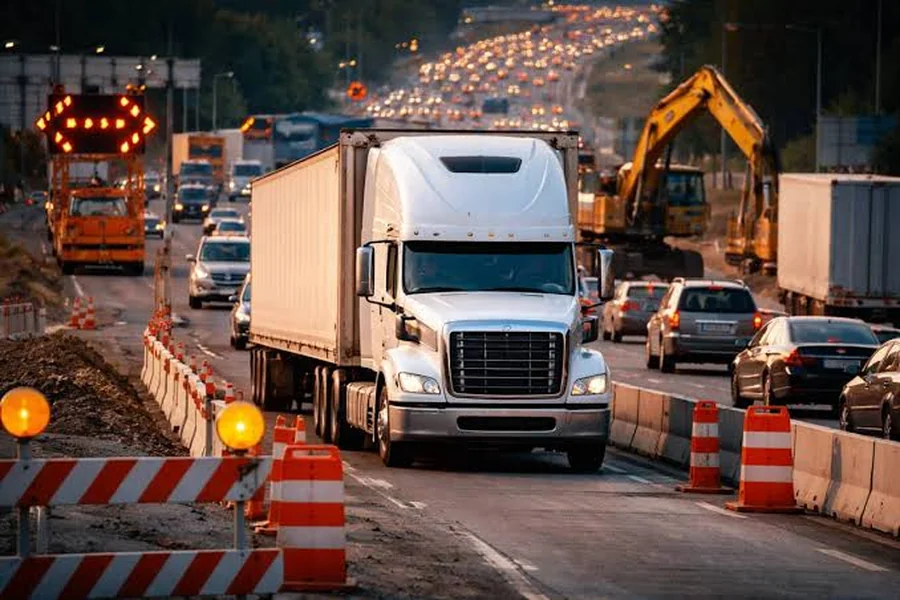
Large trucks are built to move freight over long distances, but city and suburban streets can place them in environments that demand frequent braking, tight turns, lane changes, and close interaction with pedestrians, cyclists, and smaller vehicles. FMCSA identifies large blind spots, long stopping distances, wide turns, and limited maneuverability as fundamental operating challenges for commercial motor vehicles. Those limitations can become especially significant where traffic is dense, and road space is restricted.
When a collision occurs on a busy street, a Naperville truck accident lawyer may need to examine how the truck was being operated within the specific roadway environment rather than considering the vehicle in isolation. Intersection design, surrounding traffic, sightlines, pedestrian activity, parked vehicles, and construction can all affect how much time and space a commercial driver has to respond.
- 1. Tight Intersections Can Make Wide Turns More Difficult
- 2. Pedestrians and Cyclists Can Disappear Into Large Blind Spots
- 3. Frequent Stops Leave Less Margin for Following-Distance Errors
- 4. Dense Traffic Makes Lane Changes More Complicated
- 5. Parked Vehicles and Roadside Activity Can Reduce Usable Space
- 6. Construction Zones Can Compress an Already Limited Operating Space
- Urban Truck Crashes Often Involve Several Challenges at Once
1. Tight Intersections Can Make Wide Turns More Difficult
A tractor-trailer generally needs considerably more room to turn than a passenger vehicle. FMCSA explains that trucks may have to swing left before completing a right turn because they cannot always negotiate the corner from the far-right portion of the lane. That movement can be confusing to nearby drivers who do not realize the truck still intends to turn right.
Urban intersections can make the maneuver harder because the truck may also be dealing with curbs, traffic signals, crosswalks, parked vehicles, and cars waiting in adjacent lanes. The trailer follows a tighter path than the tractor, creating the possibility that its rear wheels or side will move toward a curb or another road user during the turn. Reconstructing such a crash may require examining the truck’s path through the entire intersection.
2. Pedestrians and Cyclists Can Disappear Into Large Blind Spots
Commercial vehicles have substantial blind areas around the front, rear, and sides. FMCSA specifically warns that pedestrians and bicyclists can be difficult for truck and bus drivers to see and cautions road users against remaining beside large vehicles or directly behind them.
This visibility problem can become more pronounced on urban streets where cyclists may travel beside traffic and pedestrians may enter marked crossings near a turning truck. A driver preparing to move from a stop may need to monitor several mirrors, traffic signals, vehicles, and people at once. FMCSA advises commercial drivers to check mirrors regularly and scan ahead one to two city blocks for developing hazards.
3. Frequent Stops Leave Less Margin for Following-Distance Errors
Urban driving often involves repeated stops for traffic lights, congestion, turning vehicles, buses, crosswalks, and vehicles entering from side streets. A large truck needs more distance to slow than a smaller vehicle because of its size and weight. FMCSA emphasizes that commercial vehicles require additional following distance so drivers have time to respond when traffic ahead slows suddenly.
The available stopping space can shrink quickly when another vehicle changes lanes directly in front of a truck or traffic unexpectedly backs up near an intersection. FMCSA warns motorists not to cut closely in front of commercial vehicles because doing so removes part of the space the truck needs for safe braking. In a rear-end collision, investigators may therefore consider both the truck driver’s following distance and how traffic developed immediately before braking began.
4. Dense Traffic Makes Lane Changes More Complicated
Changing lanes in a tractor-trailer requires checking areas alongside a much longer vehicle. FMCSA describes lane changes as one of the situations requiring heightened mirror use because another vehicle can move into a blind spot after the truck driver initially checks the lane. The agency’s commercial-driver guidance instructs drivers to check mirrors before, during, and after beginning a lane change.
Dense urban traffic can reduce the number and size of available gaps. Passenger vehicles may also move rapidly between lanes while a truck is signaling or beginning its maneuver. If a sideswipe or merging collision occurs, mirror visibility, turn-signal use, lane position, dash-camera footage, and surrounding traffic may all help establish whether the truck had adequate clearance before moving laterally.
5. Parked Vehicles and Roadside Activity Can Reduce Usable Space
Urban streets frequently place commercial trucks close to parked cars, delivery vehicles, rideshare stops, cyclists, bus stops, and people entering or leaving vehicles. These conditions can effectively narrow the usable travel lane even when the roadway itself meets normal width requirements. A large truck has less room than a passenger car to move around an unexpected obstacle without crossing into another lane.
Roadside obstructions can also affect visibility. A parked van or delivery truck may hide a pedestrian approaching a crosswalk or obscure traffic emerging from a driveway. Large trucks already have limited maneuverability and significant blind spots, so reduced sight distance can leave the driver with fewer options when someone or something suddenly enters the travel path. FMCSA identifies inadequate surveillance at intersections and during turns as a recognized commercial-driving concern.
6. Construction Zones Can Compress an Already Limited Operating Space
City construction can narrow lanes, close shoulders, shift traffic, and place barriers or workers close to moving vehicles. FMCSA states that trucks and buses face added difficulties in work zones because large blind spots and limited maneuverability can make quick reactions more difficult. The agency advises commercial drivers to watch for changing lane patterns and reduced speeds and to research routes before traveling when possible.
These changes can combine several urban hazards at once. A truck may have to follow a temporary lane shift while maintaining clearance from barriers, slowing for queued traffic, and monitoring vehicles attempting to merge. If a collision occurs in such an area, temporary traffic-control layouts, photographs, truck position, construction records, and available video can help determine whether restricted roadway space contributed to the event.
Urban Truck Crashes Often Involve Several Challenges at Once
The dangers created by large trucks on city streets rarely come from one characteristic alone. Wide turns can overlap with pedestrian blind spots, congested lanes can shorten stopping space, and road construction can make an already tight maneuver more difficult. FMCSA’s current safety materials continue to identify blind spots, stopping distance, and wide turns as central challenges when trucks share the road with other users.
For that reason, investigating an urban truck accident often requires looking beyond the final few seconds before impact. Vehicle size, lane geometry, traffic density, mirror visibility, braking distance, intersection conditions, and nearby road users may all help explain why the collision occurred. Examining those factors together can provide a more complete picture of whether the truck was being operated safely for the conditions present at the time.
