
 Steve Wiideman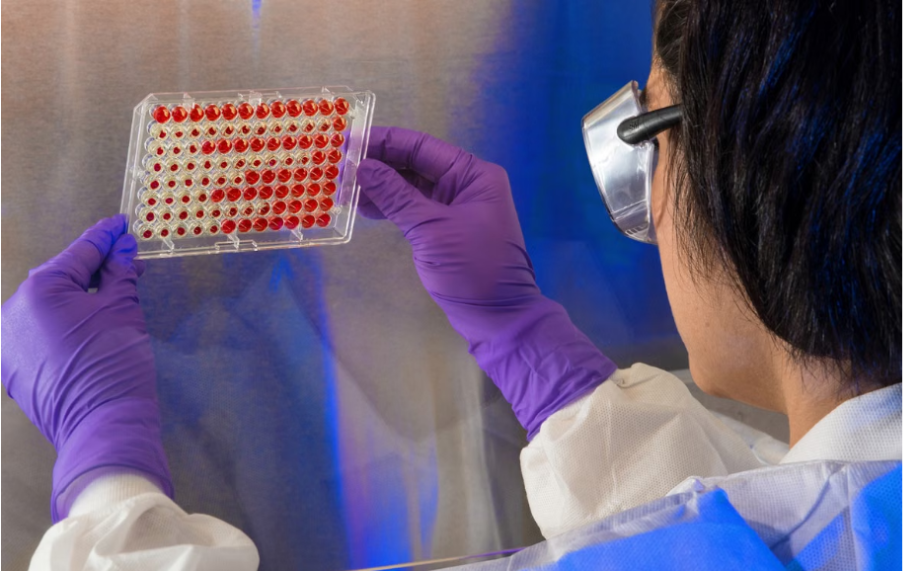
Enzyme-Linked Immunosorbent Assay, better known as ELISA, remains one of the most widely used tools in biomedical research today. Developed decades ago as an alternative to radioactive immunoassays, it detects and measures proteins, antibodies, hormones, and other biomarkers with a level of accuracy and safety that quickly made it a standard across labs studying everything from infectious disease to cancer.
Its appeal comes down to a simple combination of sensitivity, relatively low cost, and the ability to process many samples at once. Choosing the right ELISA kit for a specific target can shape how reliable and reproducible a study's results are, which is why researchers spend real time matching the right assay format to their specific question.
Here are nine of the most common ways researchers put ELISA kits to work.
- 1. Detecting Infectious Disease Antibodies
- 2. Measuring Hormone Levels
- 3. Studying Cytokines And Immune Response
- 4. Screening For Cancer Biomarkers
- 5. Supporting Drug Development And Toxicology Studies
- 6. Testing Food And Environmental Safety
- 7. Diagnosing Autoimmune Conditions
- 8. Monitoring Vaccine Efficacy
- 9. Advancing Veterinary And Agricultural Research
- Choosing The Right Kit For Your Research
1. Detecting Infectious Disease Antibodies
ELISA continues to be a preferred technique used to detect antibodies in cases of both viral and bacterial infections. The technology is an essential component in HIV screening algorithms where the ELISA kit will initially point to a possible positive sample followed by additional testing. The technology can similarly be used to identify antibodies in cases of hepatitis, Lyme disease, tuberculosis, and any other form of infection where the presence of an antibody indicates an infection.
Because of its high speed in testing many samples at once, the ELISA technique is equally crucial in epidemiologic studies looking at the spread of infections within populations. Such studies have been known to rely heavily on ELISA due to the speed with which results are generated, and because the alternative testing techniques may take up to weeks to yield results.

2. Measuring Hormone Levels
Hormone research relies heavily on ELISA kits to quantify substances like cortisol, insulin, and thyroid hormones in blood, urine, or saliva samples. Because ELISA can detect very small concentrations accurately, it gives endocrinology researchers a dependable way to track hormonal changes across study populations without needing more invasive or expensive testing methods.
Researchers studying stress responses, metabolic disorders, or reproductive health often depend on this kind of precise, repeatable hormone measurement to draw meaningful conclusions from their data.
3. Studying Cytokines And Immune Response
Cytokines, which act as communication between immune cells, can often be determined by ELISA kits targeted to particular molecules such as interferon-gamma or various interleukins. Scientists researching autoimmune diseases, inflammatory diseases, or vaccine responses rely on ELISA kits to assess how effectively the immune system is responding to stimuli. Monitoring changes in cytokine concentration throughout an experiment helps scientists know when immune responses are occurring, not only how well the immune system responds.
4. Screening For Cancer Biomarkers
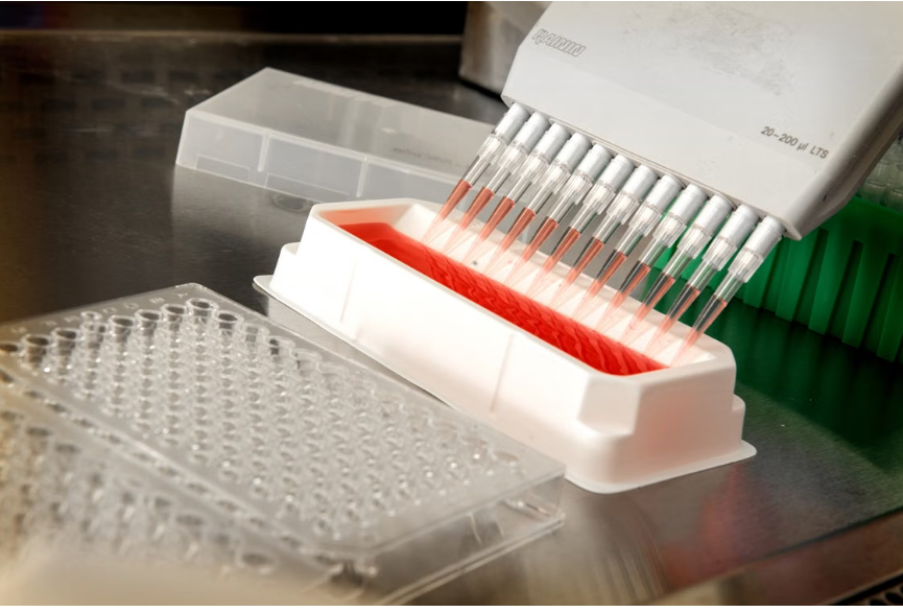
Certain proteins whose levels increase or decrease in cancer can be detected with high accuracy using ELISA kits. Many known proteins can serve as cancer biomarkers and help identify these markers and follow their changes over time in the course of a disease or treatment process. Given the small level of these changes, the sensitivity of an adequately validated ELISA kit plays a crucial role here.
5. Supporting Drug Development And Toxicology Studies
Pharmaceutical researchers use ELISA kits throughout the drug development pipeline, from measuring how a compound affects specific proteins to monitoring toxicity markers during preclinical trials. ELISA's sensitivity and reproducibility make it well suited for the kind of repeated, high-volume testing drug studies require over long research timelines. That reliability matters most during later trial phases, where consistent results across thousands of samples directly affect regulatory decisions.
6. Testing Food And Environmental Safety
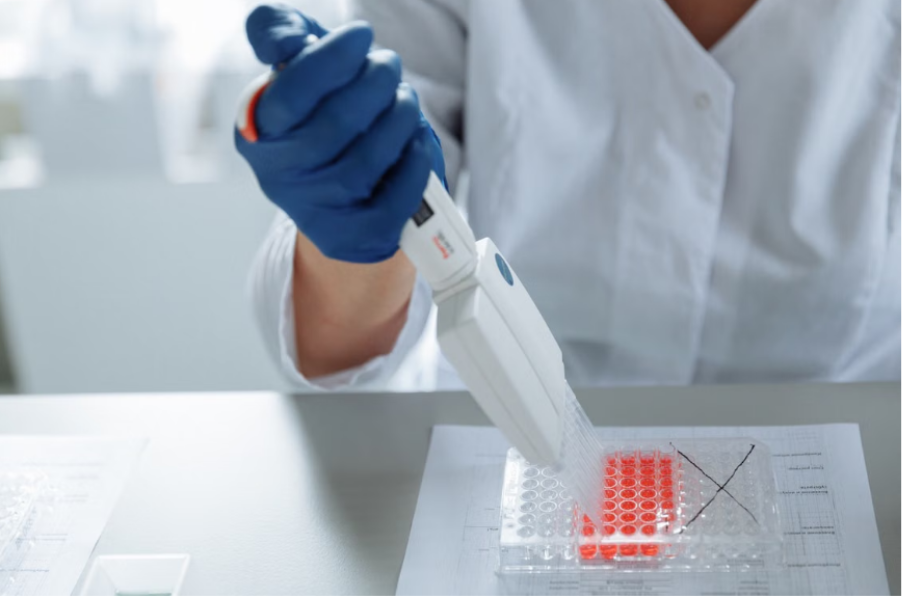
Beyond clinical research, ELISA kits also test for the presence of allergens, toxins, and contaminants in food and the environment. In food safety research, ELISA kits allow the detection of small quantities of substances such as gluten or peanut proteins. On the other hand, in environmental science, ELISA assays allow the detection of pesticides or bacteria in water supplies.
7. Diagnosing Autoimmune Conditions
Autoimmune disorders frequently arise from the production of antibodies within the body that target its own components, and ELISA assays allow researchers to test for the presence of such autoantibodies. Diseases like lupus, rheumatoid arthritis, and myasthenia gravis all have biomarkers associated with them that can be detected using ELISA. By comparing ELISA data with other types of diagnostics, researchers are better able to determine which biomarkers indicate disease severity.
8. Monitoring Vaccine Efficacy
Vaccine development requires quantifying a vaccine's effectiveness in stimulating the immune response, and one of the most commonly used techniques for doing so is ELISA. By comparing antibody levels before and after vaccine administration, it becomes possible to estimate vaccine effectiveness and use that information to set dosages and booster schedules in clinical studies. The same technique is useful for evaluating the duration of immunity.
9. Advancing Veterinary And Agricultural Research
The use of ELISA test kits is not restricted to human beings only. Veterinarians use them to detect various diseases in their animals, and agriculturists use them to monitor plant diseases. This versatility of usage is one of the reasons why ELISA testing has been a widely recognized form of testing in such a variety of disciplines.
Choosing The Right Kit For Your Research
With such a variety of potential uses, finding the right ELISA kit requires matching the level of sensitivity and specificity with the biological sample under investigation. While a well-optimized kit might be perfectly suited to detecting hormones from serum samples, it does not mean that it will behave similarly when analyzing lysates, and cross-reactivity among similar biomarkers is still one of the major mistakes researchers make. Reviewing validation data for ELISA kits, specifically those used for analysis in the desired species or sample type, can help prevent this kind of problem later.
