
 James
James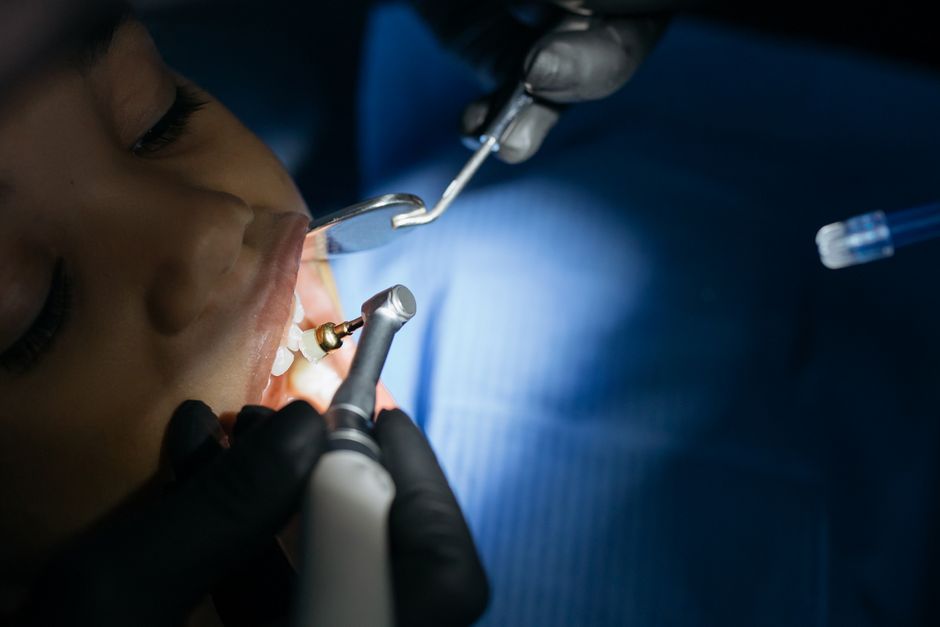
The habits a child forms in their first few years tend to stick, which is why the early period matters far more than most parents expect. Brushing, eating, breathing, and sleeping patterns all interact, and none of them settles into place by accident. A toddler who resists having their teeth brushed at two will often still be resisting at six unless something changes in how the routine is handled. The same is true of snacking patterns and bedtime habits. None of this requires perfection from parents, but it does require consistency and a willingness to start earlier than feels necessary. The foundation laid before school begins tends to hold for decades.
Why Professional Cleanings Belong in the Routine
Even a child who brushes twice a day accumulates plaque in places a toothbrush cannot reach, particularly along the gumline and between molars that sit tightly together. Left in place, that buildup hardens into tartar, feeds decay, and irritates gum tissue, and by the time a cavity is visible or painful, the damage has been developing for months. Regular visits catch these problems while they are still small and inexpensive to correct. For the best pediatric dental cleaning, look for a dentist with experience working specifically with children. Working with kids requires a different pace and a different manner than treating adults, since a child who feels rushed or ignored will resist the next visit and every one after it. Practices built around younger patients plan for that, keeping the room calm and explaining each step before it happens.
Starting Before the First Birthday
Many parents assume dental care begins once a full set of teeth has arrived, which puts the first appointment years later than it should be. The recommended starting point is age one, or whenever the first tooth appears, whichever comes sooner. That early visit is less about treatment and more about establishing a baseline and catching developmental issues while intervention is simple.
Early evaluation also allows a specialist to assess how the jaw and face are developing, which has implications well beyond the teeth themselves. Problems identified at this stage can often be guided rather than corrected, since a young child’s structures are still forming. Waiting until adolescence narrows the available options considerably.
Making Brushing Something a Child Will Accept
Resistance to brushing is normal and usually stems from the child having no control over what is happening to them. Handing over some of that control changes the dynamic. Letting a child pick the brush, choose which song plays, or brush first before a parent finishes the job removes much of the fight without compromising the outcome.
Technique matters as much as duration. Small circular motions along the gumline clear more plaque than vigorous scrubbing, which mostly damages gum tissue. Parents should continue helping until roughly age seven or eight, since the fine motor control needed to brush thoroughly develops later than most people assume. A child who appears to be doing it well is often missing the back teeth entirely.
Flossing becomes relevant as soon as two teeth touch. This surprises parents of young children, but the contact points between molars are exactly where decay likes to start, and no amount of brushing reaches them.
Food, Drink, and the Timing of Both
What a child eats matters, though how often they eat matters more. Acid production in the mouth spikes after every exposure to sugar or starch and takes time to return to baseline. A child grazing throughout the afternoon keeps their teeth under near constant attack, while the same quantity of food eaten at set meals allows recovery periods in between.
Drinks deserve particular attention. Juice, sweetened milk, and flavored water sipped slowly over an hour do considerably more damage than the same drink finished quickly. Water between meals is the simplest change most families can make, and it is also the one that produces the clearest results.
Bottles and sippy cups taken to bed present a specific risk, since saliva flow drops during sleep and whatever is in the mouth stays there. Establishing a routine that separates the last drink from sleep avoids a pattern that is difficult to break later.
Breathing and Sleep Are Part of the Picture
Parents rarely connect snoring or restless sleep to oral health, but the relationship is direct. A child who habitually breathes through their mouth rather than their nose is often signaling a restricted airway, and the consequences extend to facial growth, sleep quality, daytime concentration, and energy levels.
Signs worth noting include snoring, waking frequently, sleeping in unusual positions, persistent tiredness despite adequate hours in bed, and dark circles under the eyes. Difficulty concentrating at school is sometimes traced back to poor sleep rather than anything happening in the classroom. An airway-focused evaluation can identify whether the structure of the mouth and jaw is contributing.
Addressing these issues early, while growth is still occurring, allows development to be guided in a healthier direction. The window for this narrows as a child gets older.
Handling Anxiety Before It Sets In
Fear of dental visits is learned rather than innate, and the way early appointments are handled determines whether it takes hold. Parents who unintentionally telegraph their own anxiety, or who promise that nothing will hurt in a way that introduces the possibility, often create the very apprehension they were trying to prevent.
Straightforward, low-key framing works better. Describing the visit as someone counting and checking teeth, without elaborate reassurance, keeps expectations neutral. Practices that use gentle, quiet technology remove much of what children find alarming, since the noise and vibration of conventional equipment are usually the specific triggers rather than any actual discomfort.
Children with sensory sensitivities or additional needs benefit from practices with specific experience in that area, where the pace and environment can be adapted rather than the child being expected to adapt.
Building a Routine That Survives Real Life
The routines that last are the ones tied to something already fixed in the day. Brushing attached to getting dressed in the morning and to putting on pajamas at night requires no separate reminder and becomes automatic within weeks. Systems that depend on someone remembering tend to collapse the first time a day runs late.
Consistency matters more than intensity. A brief, calm brushing session done twice a day reliably achieves far more than an occasional thorough one following an argument. Progress charts and small acknowledgments work well with younger children, though most outgrow the need once the habit is genuinely established.
Regular checkups round out the routine. Six-month intervals catch developing problems early, keep the child familiar with the setting, and give parents a chance to ask about anything they have noticed at home.
