
 James
James
The process of choosing a location for the holiday lodge becomes quite difficult for buyers. It is necessary to select from hundreds of parks available in the UK, which all offer something unique. Sometimes, the number of parks can become too large, leaving buyers puzzled and even unable to compare prices properly.
To deal with this problem, many buyers choose the location based on the possession of similar lodges by friends and relatives. The second option is the choice of a beautiful location that does not fit any of the buyer's criteria concerning travel and way of life. Such decisions might look like a perfect idea initially but will fail as soon as the buyer purchases a new lodge.
Choosing the right location in accordance with the way of using the property becomes the key factor.
Are you interested in what criteria should be considered when choosing the location of the lodge? Find the answer below!
1. Decide Between Coastal and Countryside Settings
The experience of living in the coastal region and the countryside is totally different from each other; however, many people tend to assume that one is superior to the other, which causes problems after the purchase.
For instance, some people prefer to live in a coastal park just because of the amazing scenery, but after visiting the place, they realize that what they really want is quite the opposite.
Buying a holiday lodge for sale with both the countryside and coastal features can save you from this dilemma.
The differences in weather will affect the frequency of use of the lodge. Coastal parks usually experience stronger wind currents and salty air, while countryside locations provide more stable conditions throughout the year.
Requirements for maintenance also vary according to this. Salt in the air can affect exterior fixtures more quickly closer to the sea, so taking into account just a bit more maintenance may be a good thing if you like this environment.
2. Prioritize the View That Matters Most to You
In most cases, consumers are not very sure about which view would suit them. They just browse through the advertisements and then select one that suits them, even if it is not their choice. Some people end up buying a lodge where they have a car park and an adjacent plot to look at due to the absence of filtering by view.
By applying filters such as sea view, lake view, and countryside view to your search, the problem is sorted out from the very beginning.
One should consider visiting the location at various hours of the day to get a complete idea because what seems like an amazing view at sunset may not necessarily be impressive at noon or at a busy weekend in the park.
3. Weigh Distance Against How Often You'll Visit
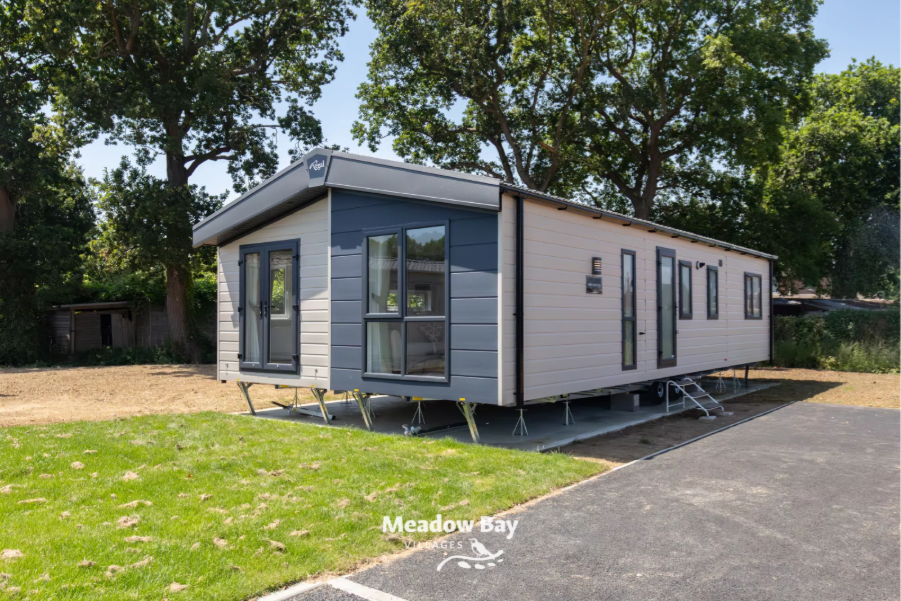
The buyer may be charmed by the photographs of the lodge before he considers the travel time it takes to get to his place. A beautiful spot does not remain so if the travel experience deters him from visiting regularly.
There are those who buy a lodge hours away from their house, thinking that they will visit on weekends. This does not work out because they find themselves going less frequently and leaving the lodge unused, rendering the purpose of buying it useless.
When one picks a spot near their house, the problem is solved.
Traffic during the busiest days of the year in the park needs to be considered, especially when choosing a certain road that is not crowded on a weekday. On those days when the majority of park-goers intend to go there, traffic will become a serious issue.
By planning your journey in realistic conditions, not in ideal conditions, you have a much better idea of what it will be like to make this journey regularly.
4. Check What Season Length the Park Offers
However, not all buyers know that holiday parks have their own seasons and are not open throughout the year. This becomes clear only when such information interferes with the possibility of using the accommodation at the desired time.
There are cases when people think that they will be able to stay there whenever they want, but later find out that their favorite holiday park is closed during a certain period of the year, which contradicts their plans about frequent offseason holidays.
Checking these aspects in advance prevents such problems. Since holiday houses are bought for recreational purposes but not for residence, the season length and license agreement may vary depending on the specific park.
There are two types of opening dates for the parks: 12 months or 11 months, meaning that one should double-check their vacation schedule in advance and make sure there will not be a discrepancy between the park's closing date and preferred vacation period.
5. Match Park Amenities to Your Lifestyle
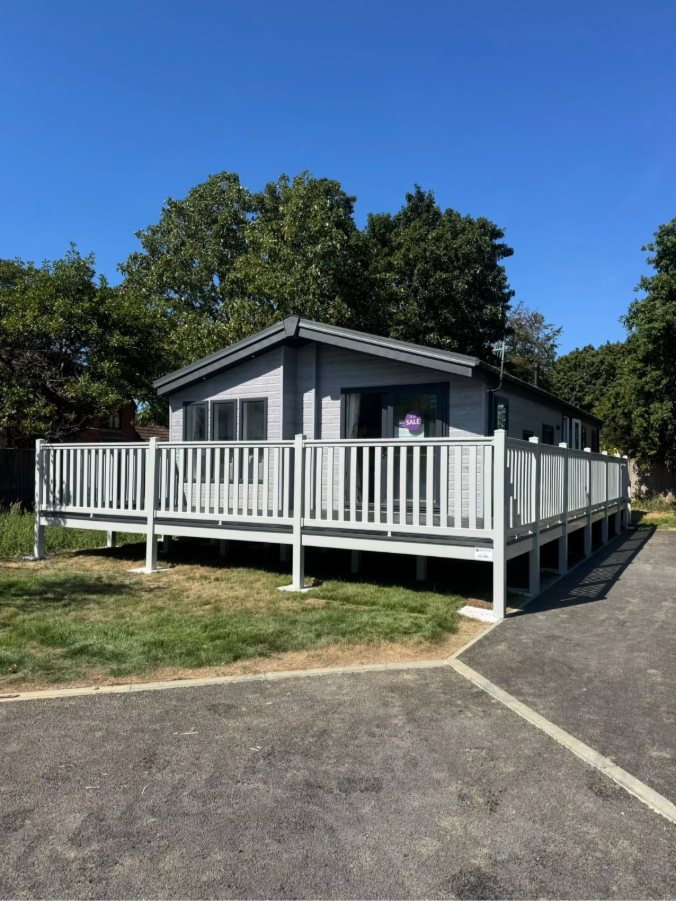
Buyers usually get engrossed in buying the lodge without paying attention to the facilities offered by the parks surrounding the lodges. Buyers may end up buying a perfect lodge yet not fulfilling their needs.
Buyers who buy a park without considering factors such as parking, decking, and hot tub facilities usually find it difficult to enjoy life at that particular place because the place does not fulfill their expectations. The difference between the two makes them lose interest in owning that property.
Considering the amenities along with location helps to bridge the gap.
Additional facilities within the park, such as clubhouses, pools and dog walking areas, also play an important role in choosing a park that you want to visit.
Choosing With Confidence
Selecting an ideal location for the lodge is not all about beauty. All five of these techniques, from comparing coastal with countryside to verifying the season length, serve to prevent any buyer from ending up with a lodge he/she would regret choosing.
What all of them have in common is comparison on purpose. Screening by view, distance, and features makes the hunt more specific and meaningful, concentrating on the real use of the lodge, instead of just its image in the photos.
The last step to go now is to apply these considerations in your hunt for the perfect lodge, if you are satisfied with these observations.
