
 James
James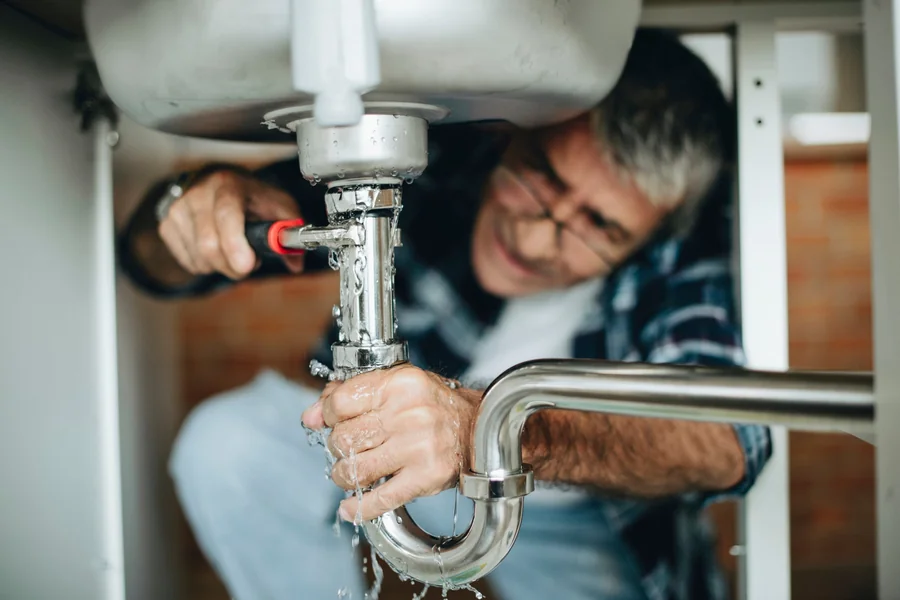
On Tuesday morning a lethargic drain. A subtle scent of sulfur around the kitchen sink which manifested and vanished. a water bill that sneaked up 18 in last month and which you put on the probably our shower-list. These are no accidental irritants. They are your plumbing system who sent you an SOS and majority of the home owners are not familiar with the language until the ceiling is dripping.
The dry fact is that the most awful results in the sphere of plumbing can be avoided. It is not that the signs did not exist. It is because they resembled something that was not worth fretting about. This guide dissects the red flags that you regularly overlook, what they actually indicate, and what ones you should pick up the phone and call about today or write on next month/monthly version of your to-do list.
Why Plumbing Problems Hide So Well
The majority of house plumbing is in-wall, under-slab, and behind-cabinetry. You touch the endpoints faucets, toilets and showerheads, but the pipes are invisible. A copper supply line has a pinhole leak in your wall can drip weeks before you notice on the wall the stain or even smell of mildew. The insulation along with the drywall as well as the framing behind it may have been blown out by the time it is visible.
The larger threat is slow damage, as opposed to abrupt failures. The WaterSense program of the U.S Environmental Protection Agency estimates that the leaks in the households can drain about 1 trillion gallons of water each year all over the country. The amount of water wasted due to leaks in the average household can be in the range of over 9,300 gallons of water wastage annually and nine percent of homes have leakage of 50 gallons or more per day. Burst pipes do not contribute to that amount of loss. It is a by product of “fixtures and joints to wear away quietly every month, as the homeowner thinks things are all okay. The EPA also adds that household leaks in the household can be fixed and this will save a homeowner 10 percent of his water payments; this is because the household water leaks are easy to fix. The EPA WaterSense Fix a Leak Week (2026) can serve as a good place to begin to know how widespread and expensive those hidden leaks can be.
The DRIP Method: A Simple Annual Self-Check
Whenever professional plumbers come to a home, they embark on a mental checklist. The trend turns out to be enough of a consistent pattern after years of observing what has been overlooked when walking through the homeowner premises, to package it into a four part framework. Call it the DRIP Method.
- D: Drains. Each drainage in the home is expected to empty at approximately the same rate like when it was installed. A kitchen sink which now requires 45 seconds to clear is an indication of a partial or worse initial venting of the drain-waste-vent system.
- R: Readings. Turn off all appliances you can and check your water meter at night when no one is awake. Record the number. Reexamine in two hours. When it moves, water is taking up the water in the wrong direction.
- I: Inspection Points. Go through all your under-sink cabinets in your house and check the supply lines and drain connections. You are searching after mineral staining, soft areas in the floor of the cupboards, or drip stains. These begin appearing way before the leak becomes dramatic.
- P: Pressure. Let two fixtures run at the same time and record whether there is a significant difference in the flow at each. Residential water pressure must be between 40 and 60 PSI which is healthy. Observable dips when using concurrently are frequently indicators of something wrong with supply lines, pollution, or a defective pressure-lowering valve.
DP Run DRIP annually. Add it to your calendar every time you change smoke detector batteries. It takes less than 30 minutes and it will detect about 80 percent of what plumbers will find during normal inspection calls and will come to mind before the problem becomes an emergency.
The Warning Signs Most Homeowners Dismiss
Here is where good intentions break down. Homeowners spot the sign, rationalize it away, and move on. These are the four most common ones worth taking seriously.
Discolored water on first draw. If you turn on the kitchen tap first thing in the morning and water runs slightly brown or orange for a few seconds before clearing, that is oxidized iron. It usually means your pipes or your water heater anode rod are deteriorating. Some homes with older galvanized steel supply lines see this for years before the pipe corrodes through entirely.
Sounds in the walls after a fixture shuts off. A banging or hammering sound when you turn off the washing machine or a faucet quickly is called water hammer. It means water is slamming against a closed valve without enough air cushion to absorb the shock. Left unchecked, repeated hydraulic shocks weaken joints and can eventually crack fittings or split pipe runs at stress points.
A toilet that runs for more than 30 seconds after flushing. The flapper is the likely culprit. It’s a $6 part. But homeowners live with running toilets for months because the sound becomes background noise. A running toilet can silently waste hundreds of gallons per day without ever overflowing or showing a visible problem.
Soft spots or warping in flooring near plumbing fixtures. If the floor around the base of a toilet or under the kitchen sink has any give, bounce, or visible warping, that is moisture that has been sitting long enough to compromise the subfloor. The plumbing repair at that point is usually modest. The flooring and structural repair behind it is not.
What Happens When You Wait
The financial case for catching these early is not subtle. Home water damage affects 14,000 people every day in the United States, and water damage and freezing represent the second-most common type of home insurance claim, following wind and hail , according to research compiled by iPropertyManagement from FEMA and Insurance Information Institute data. 98 percent of basements experience some sort of water damage over the life of a home. You can read the full breakdown of claim data and frequency statistics at iPropertyManagement’s 2026 Water Damage Statistics report.
Consider a concrete example. A homeowner in Hanover, Massachusetts notices a faint musty smell under the bathroom vanity in October. They assume it’s a cleaning issue, wipe it down, and close the cabinet. By January, the supply line has dripped enough to saturate the cabinet floor, wick into the subfloor beneath, and begin growing mold behind the baseboard. What started as a $200 supply line replacement is now a multi-day remediation job that runs well into four figures. This is the standard trajectory, not the exception.
And between 2019 and 2023, approximately 22.6 percent of home insurance claims were due to water damage or freezing, with the average claim exceeding $15,000 , according to This Old House’s analysis of Insurance Information Institute data. That breakdown puts the cost in context: the repairs are expensive, but the more reliable problem is that gradual damage from maintenance failures is often excluded from coverage entirely.
DIY vs. Call a Pro: A Quick Reference
| Warning Sign | DIY Fix? | Urgency
|
|---|---|---|
| Running toilet (flapper) | Yes | Within a week |
| Slow single drain | Usually yes | Within a month |
| Water hammer sounds | Partial | Schedule inspection |
| Brown water on first draw | No | This week |
| Soft subfloor near a fixture | No | Immediately |
| Moving water meter at night | No | Same day |
| Multiple slow drains simultaneously | No | Same day |
When to Stop Guessing and Make the Call
The DIY boundary in plumbing is pretty clear: anything that involves supply lines under pressure, gas connections, sewer mainline access, or symptoms you cannot locate a source for belongs in the hands of a licensed plumber. The diagnostic tools a professional brings, including camera inspection equipment and pressure testing rigs, see things no under-sink flashlight ever will.
If you’re on the South Shore and the meter moved overnight, experienced plumbers hanover ma residents rely on can respond the same day, including nights and weekends, so a quiet drip doesn’t become a ruined floor by morning.
The best plumbing outcome is the one that never becomes a story you tell anyone. Run the DRIP check once a year, take the weird smells and sounds seriously, and know which column your problem falls into before you decide to wait another week. Your pipes are not patient.
