
 James
James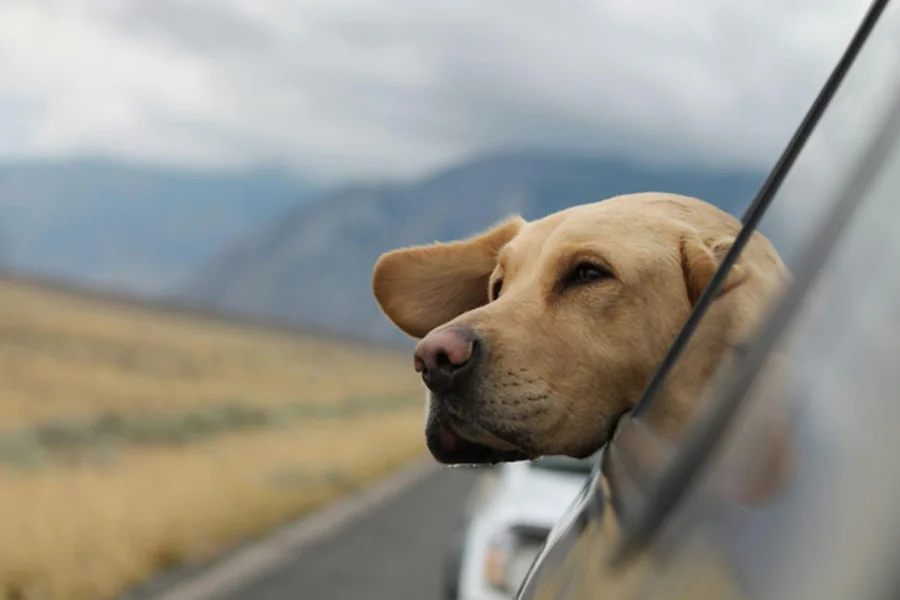
Traveling by car with a dog can be the easiest way for you and your dog to spend time together. There are no air regulations to follow, you have full control over the schedule, and making pit stops to stretch and have a drink of water are as simple as finding the next suitable exit.
However, a few hours spent in the car can reveal some aspects that do not play any role during a usual drive in town. Heat, lack of movement, unfamiliar environment, long gaps between pit stops, and entering and leaving the vehicle can influence a dog’s comfort and safety. Preparing a little bit can turn an exhausting journey into a pleasant one.
- Think about the Way for Your Dog to Enter and Leave the Vehicle
- Make Sure That Your Dog Has a Suitable Place in the Vehicle
- Plan Pit Stops Before Your Dog Needs One
- Heat Can Increase Unexpectedly
- Prepare for the Journey and for Your Dog
- Do Not Make the First Long Drive the Real Vacation
- Check the Destination from Your Dog’s Point of View
- A Comfortable Travel Begins Before You Start the Engine
- Think about the Way for Your Dog to Enter and Leave the Vehicle
- Make Sure That Your Dog Has a Suitable Place in the Vehicle
- Plan Pit Stops Before Your Dog Needs One
- Heat Can Increase Unexpectedly
- Prepare for the Journey and for Your Dog
- Do Not Make the First Long Drive the Real Vacation
- Check the Destination from Your Dog’s Point of View
- A Comfortable Travel Begins Before You Start the Engine
Think about the Way for Your Dog to Enter and Leave the Vehicle
Making your dog enter the vehicle can come as a surprise until it becomes problematic. For puppies, smaller breeds, older dogs, and injured dogs, entering the vehicle can be challenging because of its high cargo area or back seat.
Repetitive jumps can become especially difficult if the trip involves many stops. Depending on your dog’s size and mobility, a ramp, steps, or physical assistance can make it easier for him/her.
For dogs, whose mobility issues are bigger than just entering the car, you can find special wheelchairs, harnesses, and other mobility tools on https://walkinpets.com/ that will help pets stay active when moving independently is impossible.
Regardless of what you choose, introduce it before the trip. The roadside stop is hardly the best place to make your dog try something new.
Make Sure That Your Dog Has a Suitable Place in the Vehicle
Allowing your dog to roam around the vehicle can create problems both for your dog and yourself. A sudden stop can make an unsecured dog fly in front, and trying to climb into the front seat can be distracting.
Pick the way for your dog to travel depending on his/her size and the kind of your vehicle. This can involve a properly placed carrier or a vehicle restraint system that is suitable for the situation.
Also, your dog should have enough space to feel comfortable and not be surrounded by random luggage. Things like bags, bottles, equipment, and any other objects can move during driving due to braking and turning. Store your luggage separately and do not fill up the place where your dog should sit.
Plan Pit Stops Before Your Dog Needs One
While humans organize their road-trip stops based on the need for fuel, food, and toilet, a dog adds another agenda.
Regular pit stops will give your dog the possibility to have a drink of water, go to the toilet, move, and change position after sitting in the vehicle for a long time. An old or a dog that has some mobility issues may require a travel schedule with more pit stops.
Check the route before leaving and choose reasonable places for the pit stops, instead of hoping that any service station will be able to offer a place to take your dog for a walk.
Do not forget to take a leash with you. It is better to have it ready when you find yourself in an unfamiliar place and need to get your dog out of the car.
Heat Can Increase Unexpectedly
A comfortable cabin with working AC can become dangerous when the vehicle is stopped. This is one of the biggest differences between traveling alone and traveling with an animal.
Try to plan your meals, pit stops, and errands in such a way to avoid making your dog wait in a stationary vehicle. If you travel in a group, someone can stay with the dog.
Sun exposure in a moving vehicle should also be considered. Your dog can spend hours right by the window in the sun even though the whole cabin is comfortable enough for the driver.
Check the position of your dog regularly and make corrections when it is necessary and not assume that the temperature in the front seat corresponds to the temperature all over the vehicle.
Prepare for the Journey and for Your Dog
Usually, people pack enough food and a leash. However, there is a list of things you can add to the road-trip pack.
You should take enough food for the journey and drinking water, feeding bowls, bags for dog feces, medications, bedding, cleaning stuff, and a towel. Also, it can be helpful to take a picture and identification information of your dog when you are going to leave the familiar environment.
Do not change the diet of your dog just because you are on vacation. A long journey is hardly the best time for your dog to figure out that he/she dislikes some treat or a dish.
It can also be helpful to take a small bag with essentials for your pet separated from your luggage. Then you will not have to unload the whole vehicle to get the things that are necessary for your pit stops.
Do Not Make the First Long Drive the Real Vacation
A dog that enjoys the ten-minute drive to a local park can have a different reaction to the five-hour drive.
If your pet does not have any experience in such a journey, get him/her accustomed to this gradually before the trip. You should take several drives of growing duration and watch how your dog behaves.
Some dogs relax quickly. For others, traveling causes nervousness, discomfort, whining, or restlessness. Knowing it in advance will give you the chance to correct the traveling arrangement.
The same preparation will help you if your dog is going to use the new mobility equipment or vehicle restraint.
Check the Destination from Your Dog’s Point of View
A hotel or rental place being marked as pet-friendly does not always mean that each part of it will be convenient for your dog.
Think about such things as stairs, elevators, floor type, access to outside, and the distance from the room to the place of your dog’s toileting. This will be especially important for seniors or the dog that has limited mobility.
Destination itself is also important. Think about the walking areas and if you are allowed to bring your dog to the places you plan to visit. A dog will make your travel easier if your itinerary is made according to your pet’s presence.
A Comfortable Travel Begins Before You Start the Engine
Good road trips with dogs are hardly ever complicated because of a single big issue. Usually, a number of small inconveniences accumulates: your dog cannot enter the vehicle comfortably, there is no water available, the pit stops are too far, the traveling area is crowded, or the destination is more challenging for walking than you thought.
But most of the issues can be solved before you leave home.
Think about the way your dog moves, relaxes, drinks, enters and leaves the vehicle, and perceives the unfamiliar environment. Prepare the things that will be necessary during the drive, not just put them in the trunk, and make some extra time for the pit stops.
The journey will take slightly longer, but road trips with dogs are much better if reaching the destination as fast as possible is not the only thing you want.
Traveling by car with a dog can be the easiest way for you and your dog to spend time together. There are no air regulations to follow, you have full control over the schedule, and making pit stops to stretch and have a drink of water are as simple as finding the next suitable exit.
However, a few hours spent in the car can reveal some aspects that do not play any role during a usual drive in town. Heat, lack of movement, unfamiliar environment, long gaps between pit stops, and entering and leaving the vehicle can influence a dog’s comfort and safety. Preparing a little bit can turn an exhausting journey into a pleasant one.
Think about the Way for Your Dog to Enter and Leave the Vehicle
Making your dog enter the vehicle can come as a surprise until it becomes problematic. For puppies, smaller breeds, older dogs, and injured dogs, entering the vehicle can be challenging because of its high cargo area or back seat.
Repetitive jumps can become especially difficult if the trip involves many stops. Depending on your dog’s size and mobility, a ramp, steps, or physical assistance can make it easier for him/her.
For dogs, whose mobility issues are bigger than just entering the car, you can find special wheelchairs, harnesses, and other mobility tools on https://walkinpets.com/ that will help pets stay active when moving independently is impossible.
Regardless of what you choose, introduce it before the trip. The roadside stop is hardly the best place to make your dog try something new.
Make Sure That Your Dog Has a Suitable Place in the Vehicle
Allowing your dog to roam around the vehicle can create problems both for your dog and yourself. A sudden stop can make an unsecured dog fly in front, and trying to climb into the front seat can be distracting.
Pick the way for your dog to travel depending on his/her size and the kind of your vehicle. This can involve a properly placed carrier or a vehicle restraint system that is suitable for the situation.
Also, your dog should have enough space to feel comfortable and not be surrounded by random luggage. Things like bags, bottles, equipment, and any other objects can move during driving due to braking and turning. Store your luggage separately and do not fill up the place where your dog should sit.
Plan Pit Stops Before Your Dog Needs One
While humans organize their road-trip stops based on the need for fuel, food, and toilet, a dog adds another agenda.
Regular pit stops will give your dog the possibility to have a drink of water, go to the toilet, move, and change position after sitting in the vehicle for a long time. An old or a dog that has some mobility issues may require a travel schedule with more pit stops.
Check the route before leaving and choose reasonable places for the pit stops, instead of hoping that any service station will be able to offer a place to take your dog for a walk.
Do not forget to take a leash with you. It is better to have it ready when you find yourself in an unfamiliar place and need to get your dog out of the car.
Heat Can Increase Unexpectedly
A comfortable cabin with working AC can become dangerous when the vehicle is stopped. This is one of the biggest differences between traveling alone and traveling with an animal.
Try to plan your meals, pit stops, and errands in such a way to avoid making your dog wait in a stationary vehicle. If you travel in a group, someone can stay with the dog.
Sun exposure in a moving vehicle should also be considered. Your dog can spend hours right by the window in the sun even though the whole cabin is comfortable enough for the driver.
Check the position of your dog regularly and make corrections when it is necessary and not assume that the temperature in the front seat corresponds to the temperature all over the vehicle.
Prepare for the Journey and for Your Dog
Usually, people pack enough food and a leash. However, there is a list of things you can add to the road-trip pack.
You should take enough food for the journey and drinking water, feeding bowls, bags for dog feces, medications, bedding, cleaning stuff, and a towel. Also, it can be helpful to take a picture and identification information of your dog when you are going to leave the familiar environment.
Do not change the diet of your dog just because you are on vacation. A long journey is hardly the best time for your dog to figure out that he/she dislikes some treat or a dish.
It can also be helpful to take a small bag with essentials for your pet separated from your luggage. Then you will not have to unload the whole vehicle to get the things that are necessary for your pit stops.
Do Not Make the First Long Drive the Real Vacation
A dog that enjoys the ten-minute drive to a local park can have a different reaction to the five-hour drive.
If your pet does not have any experience in such a journey, get him/her accustomed to this gradually before the trip. You should take several drives of growing duration and watch how your dog behaves.
Some dogs relax quickly. For others, traveling causes nervousness, discomfort, whining, or restlessness. Knowing it in advance will give you the chance to correct the traveling arrangement.
The same preparation will help you if your dog is going to use the new mobility equipment or vehicle restraint.
Check the Destination from Your Dog’s Point of View
A hotel or rental place being marked as pet-friendly does not always mean that each part of it will be convenient for your dog.
Think about such things as stairs, elevators, floor type, access to outside, and the distance from the room to the place of your dog’s toileting. This will be especially important for seniors or the dog that has limited mobility.
Destination itself is also important. Think about the walking areas and if you are allowed to bring your dog to the places you plan to visit. A dog will make your travel easier if your itinerary is made according to your pet’s presence.
A Comfortable Travel Begins Before You Start the Engine
Good road trips with dogs are hardly ever complicated because of a single big issue. Usually, a number of small inconveniences accumulates: your dog cannot enter the vehicle comfortably, there is no water available, the pit stops are too far, the traveling area is crowded, or the destination is more challenging for walking than you thought.
But most of the issues can be solved before you leave home.
Think about the way your dog moves, relaxes, drinks, enters and leaves the vehicle, and perceives the unfamiliar environment. Prepare the things that will be necessary during the drive, not just put them in the trunk, and make some extra time for the pit stops.
The journey will take slightly longer, but road trips with dogs are much better if reaching the destination as fast as possible is not the only thing you want.
