
 James
James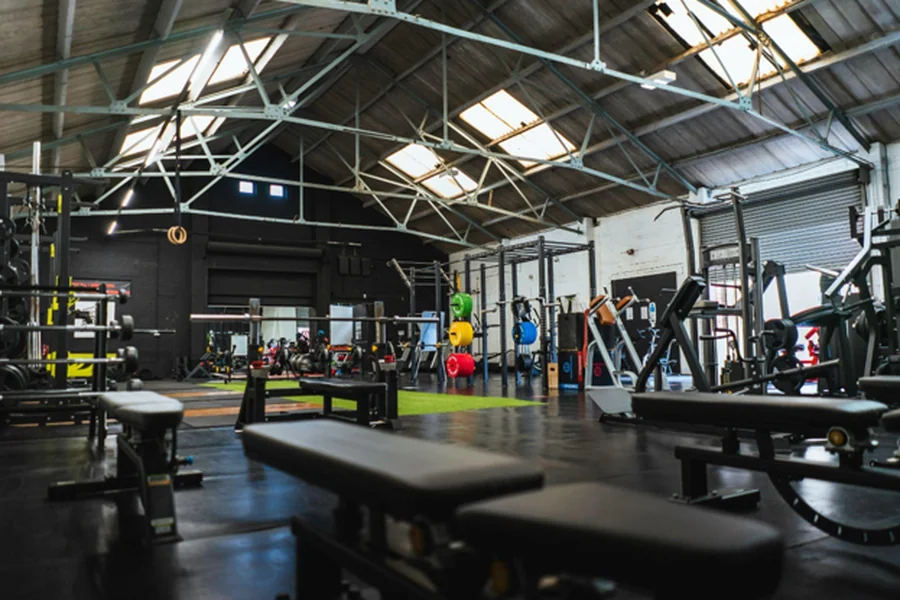
Running a gym involves far more than filling a room with equipment and signing up members. Rent, utilities, staffing, repairs, cleaning, equipment servicing, and replacement costs all compete for a share of the operating budget. Some expenses are obvious every month, while others quietly increase because routine maintenance is taking longer or costing more than necessary.
Floor care is a good example. Gym flooring covers a large area, experiences constant traffic, and is exposed to sweat, dirt, moisture, dropped weights, and spills. Cleaning it is unavoidable, but the way that work is organized can make a meaningful difference to labor requirements, flooring longevity, and disruption to members.
- Start With the Floor You Already Paid For
- Daily Attention Can Reduce Bigger Cleaning Jobs
- Labor Is Part of the Real Cleaning Bill
- Match Cleaning Frequency to Actual Traffic
- The Wrong Cleaning Method Can Create Extra Work
- Faster Drying Can Give the Floor Back to Members
- Maintenance Decisions Should Be Measured Over Time
Start With the Floor You Already Paid For
Commercial gym flooring represents a substantial investment, particularly when rubber flooring covers large training areas. Once installed, protecting that investment is generally less expensive than dealing with premature deterioration or replacing damaged sections.
Dirt may appear harmless, but particles repeatedly pressed against a surface by shoes and equipment can contribute to wear. Sweat, moisture, and spills create additional maintenance demands, while unsuitable cleaning chemicals can affect rubber over time.
The maintenance routine should therefore reflect the flooring material rather than relying on whatever cleaning process happens to be convenient. The detailed guidance at https://www.sweepscrub.com/blogs/cleaning-equipment-news/how-to-clean-rubber-gym-floor covers both everyday and deeper cleaning of rubber gym flooring, providing a useful framework for maintaining these heavily used surfaces without unnecessarily complicating the process.
Daily Attention Can Reduce Bigger Cleaning Jobs
Waiting until a gym floor visibly looks dirty usually makes cleaning more difficult. By then, loose debris may have been tracked throughout the facility, spills may have dried, and grime may have accumulated in heavily used areas.
A simple daily routine can reduce that buildup. Removing dust and loose debris regularly prevents it from remaining underfoot, while dealing with spills promptly prevents small incidents from turning into stubborn cleaning jobs.
This does not mean deep-cleaning the entire gym every evening. In fact, separating everyday maintenance from periodic intensive cleaning can make better use of staff time. Routine work deals with what needs immediate attention, while deeper cleaning can be scheduled according to traffic, flooring condition, and the demands of different areas.
Labor Is Part of the Real Cleaning Bill
Cleaning products are easy to measure because they appear on invoices. Staff time can be less obvious, even though it may represent a much larger ongoing expense.
Imagine that an employee spends several hours manually cleaning a large training floor. That cost occurs every time the job is performed. If the same process also requires repeated bucket changes, additional passes over stubborn areas, and considerable drying time, the real expense extends beyond the price of detergent.
This is where efficiency matters. Equipment that allows larger areas to be cleaned consistently in fewer passes can reduce the amount of staff time committed to repetitive floor work.
The relevant question is not simply what a cleaning machine costs. It is how its cost compares with the labor, time, and repeated manual effort required by the existing method over months and years.
Match Cleaning Frequency to Actual Traffic
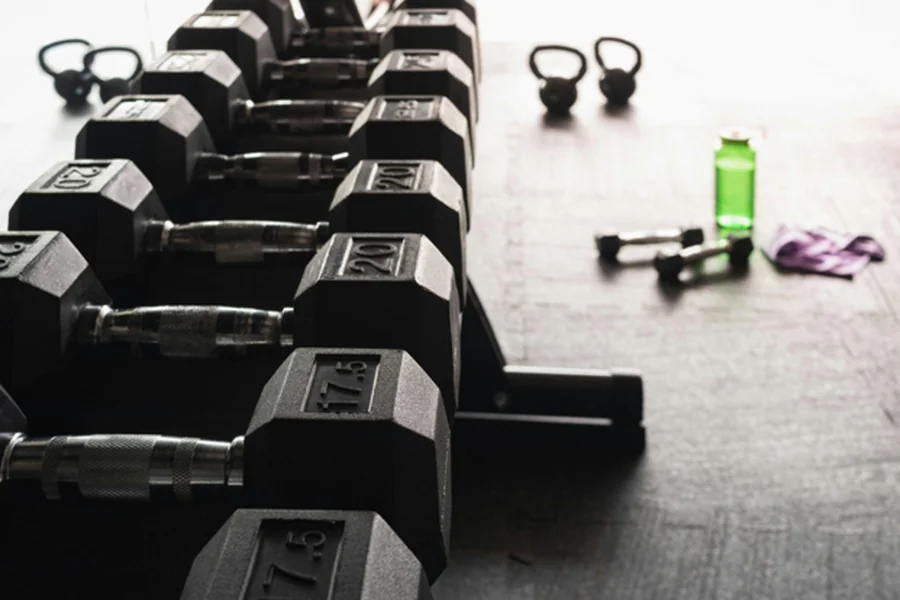
Not every part of a gym experiences the same conditions. Entrance areas may collect outdoor dirt and moisture. Free-weight zones can experience heavy wear. Studios may have concentrated periods of activity, while less frequently used corners remain relatively clean.
Cleaning every square foot according to an identical schedule can therefore waste time.
A better maintenance plan divides the facility according to use. High-traffic areas can receive more frequent attention, while lower-traffic areas can be cleaned according to their actual condition. Seasonal changes should also influence the schedule, particularly when rain or winter weather causes members to track more moisture and debris indoors.
This targeted approach directs labor toward the areas where it produces the greatest benefit rather than treating the entire building as though every surface experiences identical wear.
The Wrong Cleaning Method Can Create Extra Work
A cheap cleaning method is not necessarily an economical one. If employees have to repeatedly scrub the same areas, wait for floors to dry, or correct residue left behind by an unsuitable process, apparent savings can disappear quickly.
Large rubber floors illustrate the problem particularly well. Manual mopping may remain practical for small areas and spot cleaning, but its efficiency declines as the floor area increases. Larger facilities can benefit from methods that combine mechanical agitation with more efficient recovery of dirty water.
The cleaning solution itself also matters. Using products appropriate for rubber helps avoid creating maintenance problems while attempting to solve another one. More aggressive does not automatically mean more effective, particularly when harsh chemicals may affect the material being cleaned.
Efficiency comes from matching the process, equipment, and cleaning products to the surface rather than simply using maximum force.
Faster Drying Can Give the Floor Back to Members
Cleaning time is only part of the disruption caused by floor maintenance. The area may also remain unavailable while it dries.
That matters in a busy gym. Closing a popular training zone during peak hours can frustrate members, while leaving a wet surface accessible introduces an obvious operational problem.
Cleaning schedules should therefore consider when particular spaces are least heavily used and how quickly they can return to service. Equipment capable of recovering much of the cleaning solution during operation can help reduce the amount of water remaining on the floor, while appropriate ventilation can support faster drying after deeper cleaning.
Reducing downtime does not appear as a direct saving on a cleaning invoice, but it improves how effectively the facility itself can be used.
Maintenance Decisions Should Be Measured Over Time
The least expensive option today can become costly when repeated hundreds of times. Gym operators can make better decisions by looking at maintenance over a longer period rather than evaluating each purchase independently.
Track how many staff hours floor care requires, how often intensive cleaning is necessary, which areas repeatedly cause problems, how much cleaning product is being consumed, and whether particular surfaces are showing premature wear. Even basic records can reveal patterns that are difficult to notice during everyday operations.
The goal is not to minimize cleaning. A gym depends on maintaining a space that feels cared for and ready to use. The opportunity lies in accomplishing that standard with less wasted labor, fewer unnecessary interventions, and better protection of expensive flooring.
Smarter floor maintenance is therefore less about cutting corners than removing inefficiencies. When routine cleaning prevents larger problems, equipment is matched to the size of the facility, and maintenance is based on actual use, one unavoidable operating expense becomes much easier to control.
