
 James
James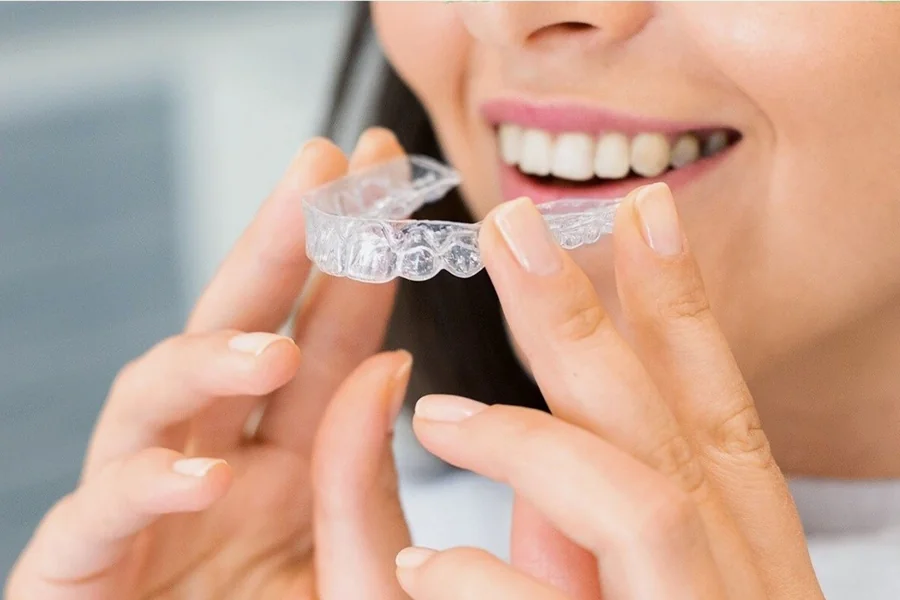
Sticking teeth are not merely a change in the appearance of a smile in a photo. They alter the digestion of food, the formation of words and the way the jaw wriggles after a long day. These effects be long stay with many, and they do not associate them at all with the notion of alignment, attributing their aching jaw to stress or their lisp to habit.
Such petty daily aggravations affect families in the city of Springfield, Ohio, and most of them are much more resolveable than it may seem. The initial step of deciding whether to do something in misalignment or not is dependent on an understanding of what it really means.
Finding Someone Who Can Correct Tooth Position
Teeth move, congest and tilt due to reasons which do not concern the misuse of the teeth brush or the diet. In the absence of an orthodontist in the initial stages, a crowded bite can only get progressively worse instead of resolved itself spontaneously and end up in more complex fixes later in the process. The entire correction can be planned out by a specialist who is trained in the actions of moving the teeth to a better position.
If you’re also looking for an experienced orthodontist Springfield Ohio has many professionals ready to help you straighten teeth with braces or clear aligners.
Why Chewing Suffers When The Bite Is Off
Chewing is a process that requires the upper and lower teeth to contact with each other in the entire arch. When few teeth come in contact it is the few to the work of many, and the work is done in a bad place. Individuals possessing uneven bite will see that they prefer one side of the mouth without making any choice. Gradually, such a routine develops asymmetry in muscle power on both sides of the face.
The effects are not dramatic, but practical. Hard foods require years to decompose; this implies that bigger food particles get to the stomach and digestion must be more vigorous. Others just give up eating their favorite foods since they find it painful to chew. Some other people end up eating the last meal at all the tables and this may be believed to be inconsequential until it occurs in all the meals over years.
Wear is a problem, too. The teeth bearing a greater proportion of force wear out quicker than those in neighboring positions. The flattening is irreversible since enamel is not regeneratable. When a tooth has been worn away, it is susceptible to cold beverages and sugary foods, which causes no pain related to tooth decay.
How Alignment Shapes The Way People Speak
Speech is made, as the tongue touches the teeth. S, z, t, d, th are all sounds that rely on the tongue encountering a solid, stable surface at the anterior end of the mouth. Tongue must compensate when there is a gap between the front teeth, when there is a projection of the teeth, or when there is an overlapping. The majority of us have been practising this unconsciously and can even shape our speech to suit the shape of our mouth.
Occasionally, this leads to a whistle on s sounds. At other times it is a mild lisp, or slight slurring of words which appears only when one is fatigued or in a hurry. Those children who cultivate such patterns at an early age tend to hold on to them over years, since before anybody notices the cause the pattern has become confused with the routine. Practice alone suffices, but it is antithetical to the shape of the mouth and not concomitant.
One that is more common culprit is an open bite in which the front teeth fail to meet with the back teeth being closed. Air expels through the hole and some consonants lose their crispness.
Jaw Discomfort That Builds Slowly
The jaw joint sits just in front of each ear and works constantly through the day. When the bite does not close evenly, the joint compensates by shifting slightly to find a comfortable resting position. That small adjustment, repeated thousands of times, puts strain on muscles that were never meant to hold a corrected posture all day.
The indications present themselves in pain in the cheeks, pains around the temples, or pains in the head that come in the afternoon. There are individuals which can be heard clicking when they open wide. Some even wake up with a tight jaw, as they clenched them at night. Few of them relate any of this to how their teeth fit together, and many live years with symptoms to deal with instead of causes.
Grinding is an allied concept. The jaw in search of a stable bite will grind taking away enamel, contributing to muscle fatigue. Guards may prevent further damage of teeth, but not why the grinding has begun.
Cleaning Teeth That Overlap Each Other
Crowded teeth create tight spaces where a toothbrush cannot reach properly. Plaque settles in those gaps and hardens, and the gums around them become inflamed. This is one of the clearest links between tooth position and long-term dental health, because gum disease that starts in a few crowded spots rarely stays there.
Flossing crowded teeth takes patience most people do not have at the end of the day. When cleaning becomes difficult, it happens less often, and the cycle continues. Straighter teeth are easier to clean simply because there are fewer hidden surfaces, which is why alignment often improves gum health as a side effect rather than a goal.
Decay is like this as well. Pits and cracks develop where food remains undisturbed and intersecting teeth create such conditions and precisely it is what overlapping teeth create. In small intercusal contacts, fillings are more difficult to do correctly and will require earlier replacement.
Confidence And The Habits People Build Around It
All effects of misalignment are not necessarily physical. Individuals who do not like the appearance of the teeth tend to adopt little safeguarding behaviors where they will cover their mouths when laughing, keep their lips closed in a picture or talk lower than they would normally talk. It is easy to disregard these habits but they define the flow of an individual through the work and social life.
This is felt most keenly by teenagers when they are at the age when it is most easily corrected. Adults can observe it as well, and sometimes choose to resolve an issue in their thirties or forties, which they were bothered by at school.
Deciding Whether Correction Is Worth It
The truthful response is dependent on the degree to which the present circumstance is costly in terms of comfort, cleaning challenge and the day-to-day operation. Other than symptomatic crowding which is mild, one may leave it alone. An attack that results in aching of the head, uneven wearing off, or a series of inflammation of the gum is another issue, as these complications accumulate silently over the decades.
Consultation provides a better picture of the situation, and the options. The majority of tests contain a set of pictures illustrating the meeting of the teeth, and those are frequently the reason why a patient will have lived with such symptoms all their life. It is then practical but not cosmetic and that is the point that people begin to give up on putting it off.
