
 James
James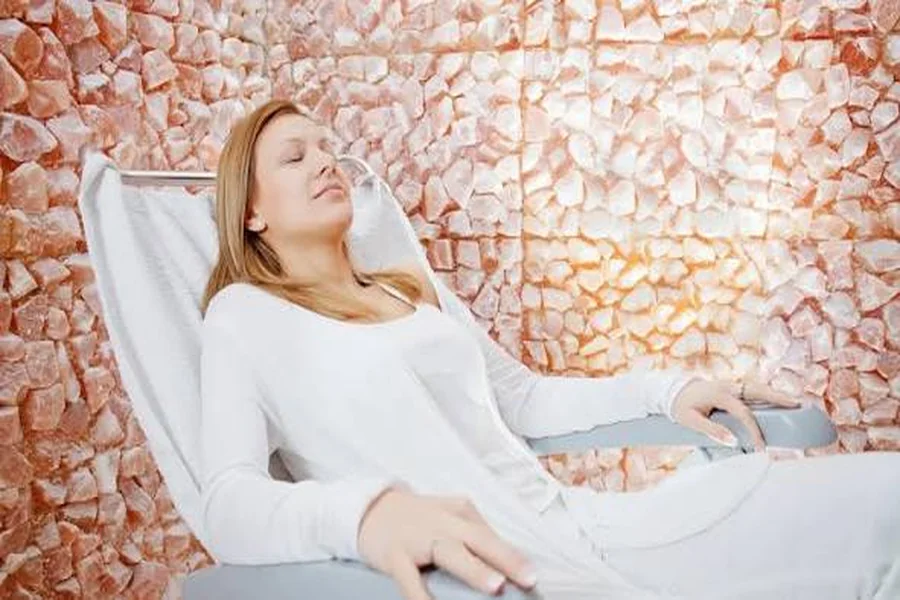
Walk into a salt cave for the first time and the initial impression is sensory: dim amber light from glowing salt lamps, walls crusted with rock salt, a floor of loose salt crystals underfoot, and air that tastes faintly of the seaside. For forty-five minutes, there is nothing to do but recline, breathe and let the quiet do its work. Salt therapy — or halotherapy, from the Greek halos, meaning salt — has moved from Eastern European sanatoriums to wellness centres across the world, and it is worth understanding what it actually involves, where the evidence stands, and why so many people keep coming back.
From Polish salt mines to modern wellness rooms
The story usually begins in 1843, when a Polish physician named Feliks Boczkowski noticed something odd about the workers at the Wieliczka salt mine: unlike coal miners, whose lungs were ravaged by their work, the salt miners seemed to suffer remarkably few respiratory complaints. He attributed this to the salt-saturated air they breathed all day and opened one of the first salt-based health resorts on the strength of it. During the twentieth century, “speleotherapy” — therapy conducted in natural salt caves and mines — became an established practice in parts of Eastern Europe, with patients spending hours underground as part of prescribed treatment programmes.
Modern halotherapy recreates that environment above ground. A purpose-built salt room is lined with salt, and a machine called a halogenerator grinds pharmaceutical-grade sodium chloride into a fine dry aerosol that is dispersed into the air. The particles are small enough to be inhaled deep into the airways, which is the point of the exercise: the session is essentially unhurried, comfortable breathing in a salt-rich microclimate.
What a session actually looks like
There are no needles, no supplements and nothing strenuous. Visitors sit in reclining chairs, often wrapped in a blanket, in a room kept comfortably cool with low humidity. Sessions typically last between thirty and forty-five minutes. Many centres run quiet adult sessions with soft music or guided relaxation, and separate family sessions where children can play in the salt as if it were sand — a clever piece of design, since children are unlikely to sit still for three-quarters of an hour of mindful breathing.
Dedicated facilities have made the experience genuinely pleasant rather than clinical. Modern salt cave sessions in Dublin, for example, take place in caves built from tonnes of natural salt with warm lamp-lit walls and deep recliners, often paired with other heat-and-cold wellness options like infrared sauna. That pairing reflects a broader shift: salt therapy is increasingly offered as part of a wider relaxation and recovery routine rather than a standalone novelty.
What the evidence does — and doesn’t — say
It is important to be honest about the science. Halotherapy sits in the category of complementary therapies: promising in places, under-researched in others, and not a replacement for medical treatment. Small studies and clinical observations, mostly from Europe, have reported that inhaled dry salt aerosol can help thin mucus, ease its clearance from the airways and reduce the sensation of congestion — one reason regular visitors often describe breathing “more freely” after sessions. Some research on chronic obstructive pulmonary disease and mild asthma has reported subjective improvement in symptoms, though systematic reviews consistently call for larger, better-controlled trials before firm claims can be made.
Salt is also naturally hygroscopic — it draws in moisture — and mildly antibacterial, properties that underpin its long history in food preservation and wound care. Whether those properties translate into measurable skin benefits from sitting in a salt room is not yet well established, but the dry, allergen-free, low-humidity environment of a salt cave is itself gentle on irritated skin and airways.
Anyone with a diagnosed respiratory or heart condition should speak to their doctor before booking, and nobody should stop prescribed medication on the strength of a wellness treatment. Reputable salt therapy centres are upfront about exactly this.
The part nobody disputes: deep rest
Strip away the debate about airways, and one benefit of halotherapy stands on solid ground: it forces genuine rest. For forty-five minutes you are horizontal, warm, offline and breathing slowly in near-darkness. That is, in effect, a guided relaxation session — and the physiological benefits of that kind of downtime are not controversial at all. Slow breathing in a calm environment activates the parasympathetic nervous system, lowering heart rate and easing the muscular tension that builds through a working day.
Chronic stress is one of the most damaging and most ignored health burdens of modern life, quietly feeding into poor sleep, high blood pressure, low mood and weakened immunity. Almost anything that reliably interrupts it — meditation, massage, a long walk, or a salt cave session — earns its place in a wellbeing routine. Many regulars report sleeping unusually well on the night of a session, which tracks with what we know about deep relaxation rather than anything mystical about salt.
Who tends to try it
Salt caves attract a broad mix: office workers seeking a switch-off they cannot achieve at home, parents bringing children with recurring sniffles through the winter months, athletes using it as part of recovery days, singers and speakers minding their airways, and older visitors who simply find it a pleasant, sociable ritual. It is non-invasive, drug-free and suitable for almost everyone, which is a large part of the appeal — there are very few wellness experiences a grandmother and a six-year-old can genuinely share.
Making the most of a visit
If you decide to try halotherapy, a few practical pointers help. Wear comfortable clothes — the salt brushes off easily. Arrive a few minutes early so the session starts unrushed. Leave the phone outside; the benefit compounds when the distraction disappears. Breathe normally through the nose at first, then slightly deeper as you settle. And treat it as a course rather than a one-off if respiratory comfort is your goal — practitioners generally suggest regular sessions over several weeks rather than a single visit.
Above all, keep expectations sensible. A salt cave will not cure a chronic condition. What it offers is a rare combination: a possible easing of congestion, a certain dose of deep rest, and an hour of stillness in a world that provides very little of it. For many people, that combination is more than enough reason to go back.
