
 James
James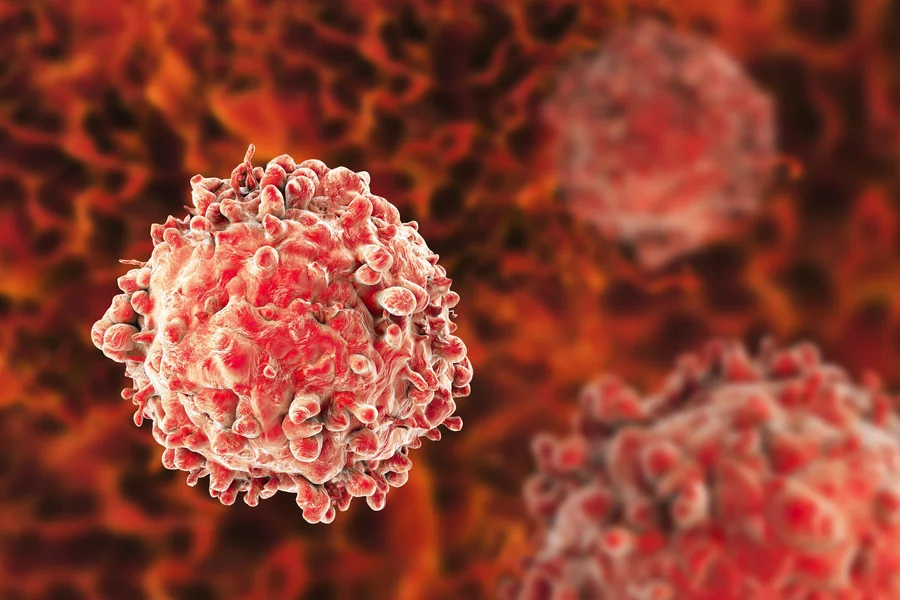
Mold is widespread at homes, schools, and workplaces, particularly in damp and poorly ventilated areas. It is well known that mold is known to cause allergies, asthma exacerbation, and lung irritation. But a more solemn question is noticed in the last few years: Can Leukemia be provoked by Mold? What the Studies believe is the potential connection.
You may be worried about the long-term health consequences of the exposure to mold because you have been exposed to it long-term or you have recently noticed massive mold growth in your house. Although exposure to molds has been linked to a number of respiratory and immunological problems, the interrelationship between mould and leukemia is much more complicated.
This paper describes what scientific evidence is currently stating, what leukemia is, the impacts of mold on the body and the existence of any documented connection between mold exposure and blood cancers.
- What Is Leukemia?
- Can Mold Cause Leukemia? What Does the Research Say?
- How Mold Affects the Human Body
- Known Risk Factors for Leukemia
- High Levels of Radiation
- Benzene Exposure
- Previous Chemotherapy
- Smoking
- Genetic Conditions
- Family History
- Why People Think Mold May Be Linked to Leukemia
- What to Do If You Have Mold in Your Home
- When Should You See a Doctor?
- Final Thought
- FAQs
What Is Leukemia?
Leukemia is a cancer that occurs in the blood and bone marrow in which blood cells are made. It occurs as a result of excessive multiplication of abnormal white blood cells, which disrupts the production of healthy blood cells in the body.
There are several major types of leukemia, including:
- Acute Lymphoblastic Leukemia (ALL)
- Acute Myeloid Leukemia (AML)
- Chronic Lymphocytic Leukemia (CLL)
- Chronic Myeloid Leukemia (CML)
Each type differs in how quickly it progresses and which blood cells it affects.
Common symptoms of leukemia may include:
- Persistent fatigue
- Frequent infections
- Easy bruising or bleeding
- Fever or night sweats
- Unexplained weight loss
- Swollen lymph nodes
- Bone or joint pain
Leukemia occurs due to changes in genes in blood-forming cells. In most instances, it is not known how these mutations actually take place.
Can Mold Cause Leukemia? What Does the Research Say?
The answer to this is; at the moment there is no compelling scientific evidence that leukemia is directly caused by mold.
The impact of mold on health has been the subject of research over the years. The overwhelming majority of studies indicate that the greatest impact of mold is to the respiratory system, and not blood cancers.
Known health effects of mold exposure include:
- Allergic reactions
- Asthma flare-ups
- Chronic sinus problems
- Eye, nose, and throat irritation
- Skin irritation
- Certain fungal infections in people with weakened immune systems
Certain molds also produce toxins called mycotoxins and this has become an issue of concern as the laboratory tests indicate that these toxin could harm the cells based on their conditions of occurrence. But lab results do not necessarily imply that human leukemia is the result of the daily exposure to mold in the houses.
This is because as of now, household mold has not been established by big medical organizations as an established cause of leukemia.
Scientists are still investigating the issues of environmental exposures that could lead to cancer, however, the evidence at hand fails to show that indoor mold and leukemia can be connected.
How Mold Affects the Human Body
Learning about the impact of mold on health would be helpful in understanding why anxieties about cancer appear to be evident at times.
Mold grows by releasing minute spores into the air. When exposed to these spores can stimulate immune responses depending on the health, allergies and the extent of exposure of a person.
Individuals who are most likely to have health issues include:
- Individuals with asthma
- Allergy sufferers
- Older adults
- Young children and infants.
- Individuals whose immune systems are weakened.
- Organ transplant recipients
It usually presents with common health effects such as coughing, wheezing, nasal congestion, itchy eyes, headaches and exacerbation of asthma.
Some are pathogenic e.g. Aspergillus, which could be life threatening in immunocompromised people. These infections however are not similar to leukemia.
Excessive exposure to mould can lessen quality of life and lead to chronic respiratory illness but it is not the same as causing cancer.
Known Risk Factors for Leukemia
Though it is not proven that mold causes it, there are a number of factors that have been established to increase the risk of leukemia.
These include:
High Levels of Radiation
A person who is exposed to high quantities of the ionizing radiation is at a great risk of developing leukemia. This can be radiation due to nuclear accidents or even some cancer treatment.
Benzene Exposure
Benzene is a manufacturing chemical that is present in gasoline, cigarette smoke and in certain manufacturing plants. A long-term exposure is one of the well-known risks of acute myeloid leukemia.
Previous Chemotherapy
Other leukemia treatment drugs may lead to secondary leukemia in the long term due to some drugs administered in chemotherapy of other cancers.
Smoking
Smoking is known to expose the body to many carcinogens such as benzene, and has been associated with various types of leukemia.
Genetic Conditions
Both inherited and non-inherited diseases ( e.g. Down syndrome, Li-Fraumeni syndrome, Fanconi anemia) raise the risk of leukemia.
Family History
In a slight proportion of the cases of leukemia, genetics can be contributing factor, although the majority of those cases do not have a family history.
The majority of cases of leukemia do not have any risk factor that can be identified, thus challenging to prevent.
Why People Think Mold May Be Linked to Leukemia

Fears about mold and leukemia are common misconceptions about cancer and their research of mold toxins.
This belief is caused by a number of factors.
To start with, certain mycotoxins may cause destruction of the DNA during laboratory tests that involve isolated cells or animals. One of the actions that can result in the formation of cancer is the damage of DNA.
Second, exposure to mould can compromise the immune system due to some conditions especially among individuals with severe mould infections.
Third, the media often takes early studies and turns them into simple scapegoats, resulting in a society that believes that mold is the cause of cancer when in the real sense, it is not quite so.
You should make a difference between:
- Laboratory studies
- Animal research
- Human population studies
The best evidence is human studies where it is tested on risks of cancer and such studies have not revealed that regular exposure to household mould results to leukemia.
Researchers are still researching the interactive relationship of environmental factors with genetics and no conclusive relationship has been concluded yet.
What to Do If You Have Mold in Your Home
Mold has not been identified as a cause of leukemia but still; it should not be overlooked.
Getting rid of mold assists in maintaining your respiratory system and eliminates allergy symptoms.
Practical steps include:
- Leaky roof and plumbing: repair immediately.
- Maintain the humidity indoors at less than 50%.
- Increase the ventilation in bathrooms and kitchens.
- Use exhaust fans when preparing food or taking shower.
- Wipe clean little spots of mold with relevant cleaning supplies.
- Inventories and water-damaged drywall or insulation should be replaced.
- At 24-48 hours dry wet.
- Use professional services in removing mould-over the top contamination.
When the mold continues to reoccur, there has to be a resolution to the problem of moisture that is caused by the problem and not merely cleaning the apparent growth.
Asthmatic individuals and those who are immuno-compromised are not supposed to clean vastly infested moulds by themselves.
Read More: Physical Wellness Month: The Ultimate Guide to Living Healthier
When Should You See a Doctor?
In case of continuous symptoms that occur after exposure to mold, it is worth discussing them with a medical doctor.
Consult a doctor in case of:
- Persistent coughing
- Difficulty breathing
- Worsening asthma
- Chronic sinus infections
- Post exposure to mold fevers.
- Severe allergic reactions
When you find the symptoms that normally accompany leukemia like constant infection, unexplained bruising, constant tiredness, or unusual bleeding, seek the attention of a doctor as soon as possible. These are symptoms which might be caused by numerous factors, and only appropriate medical examination, including blood tests, can help find out the cause.
Instead of just assuming that it is mold, one should be given a proper diagnosis.
Final Thought
Can Mold Cause Leukemia? generally is a question of concern to most people, especially those who in one way or another live or work in a building with reported cases of water damage or apparent development of molds. Unfortunately, at this stage, no scientific data can be found to confirm the fact that the household mold is a direct cause of leukemia.
What the study results do show is that among the patients at risk, respiratory health problems, asthma exacerbations and fungal infections can be brought about by exposure to moulds. These are not related to blood cancers but are the health problems that should be taken into consideration.
The causes of leukemia are complicated genetic and environmental. Radiation, benzene, smoking, certain forms of chemotherapy and inherited genetic disorders – not normal indoor exposure to mold are established risk factors.
Maintaining the house dry and ventilated, and addressing mould problems as soon as possible is a good practice in paying attention to your state of health. In case you experience worrying symptoms or suspicions about the illness caused by the mold, then refer to a professional medical individual instead of merging all the suspicions and presumptions.
FAQs
Can black mold cause leukemia?
There is currently no scientific evidence proving that black mold directly causes leukemia. Black mold can contribute to respiratory symptoms, allergies, and irritation, but leukemia has not been established as one of its direct health effects.
Can long-term mold exposure increase cancer risk?
Research is ongoing, but current evidence has not confirmed that typical household mold exposure increases the risk of leukemia or most other cancers.
What illnesses can mold cause?
Mold exposure can cause allergies, asthma attacks, sinus irritation, coughing, skin irritation, and fungal infections in people with weakened immune systems.
Should I get tested for leukemia after mold exposure?
Routine leukemia testing is not recommended solely because of mold exposure. However, if you develop symptoms such as unexplained fatigue, frequent infections, unusual bruising, or persistent fever, consult a healthcare provider for evaluation.
How can I prevent mold from growing indoors?
Prevent mold by controlling moisture. Repair leaks quickly, improve ventilation, keep humidity below 50%, dry wet materials promptly, and clean small mold growth before it spreads.
