
 James
James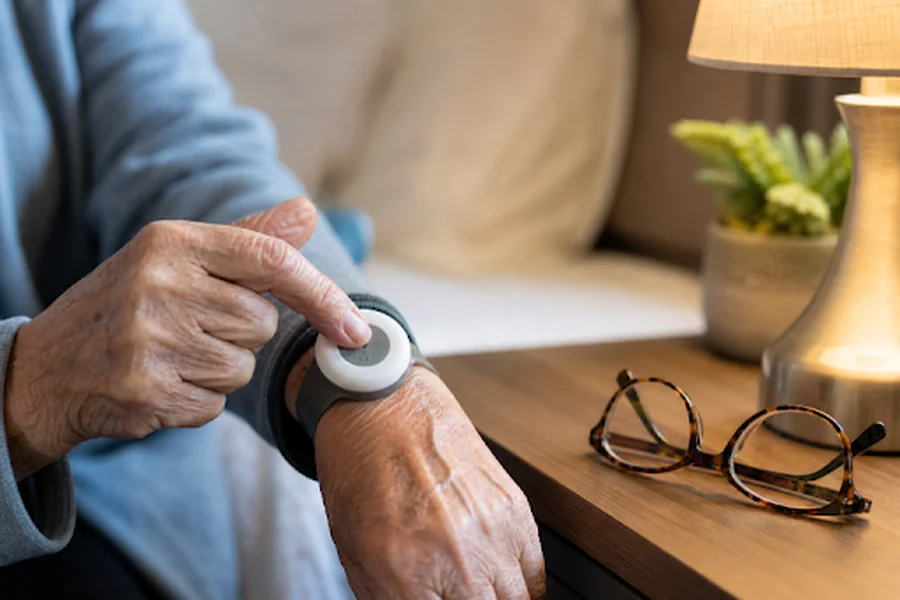
- Safety Should Support Independence
- Why Fall Prevention Comes First
- Step One: Complete a Room-by-Room Home Check
- Step Two: Make High-Risk Areas Easier to Use
- Bathroom and Bedroom
- Kitchen, Entryway, and Stairs
- Step Three: Create a Clear Emergency Plan
- Step Four: Set Up Respectful Check-Ins
- Step Five: Choose Communication Tools Carefully
- Step Six: Protect Medication Routines and Health Information
- Step Seven: Plan for Scams and Unwanted Visitors
- Step Eight: Keep Social Connection in the Plan
- When More Support May Be Needed
- Review the Plan Regularly
Safety Should Support Independence
Living alone is not automatically unsafe. Many older adults value the privacy, routines, familiar surroundings, and personal control that come with remaining at home. A practical safety plan is not about taking away those benefits. It is about preparing for everyday problems before they become a crisis, including knowing when a medical care alert may be a useful part of a broader support system.
The strongest plans use several layers rather than relying on a single solution. Safer walking paths, current health information, trusted contacts, regular check-ins, and a reliable way to request help can work together. Each person’s plan should reflect their mobility, health needs, home layout, local support network, and privacy preferences.
Why Fall Prevention Comes First
Falls deserve early attention because they can affect health, confidence, and the ability to manage daily activities. The CDC reports that more than 14 million adults aged 65 and older fall each year and describes falls as common, serious, and often preventable. Reviewing older adult fall data can help put the value of prevention into perspective.
Fall risk often stems from several issues at once. Low lighting, loose rugs, wet floors, vision changes, medication side effects, pets underfoot, and rushing to reach the phone can all increase the likelihood of an accident. A doctor, pharmacist, occupational therapist, or physical therapist can help identify personal risk factors and suggest appropriate changes.
Step One: Complete a Room-by-Room Home Check
Walk through the home in daylight and again after dark. Bring a notepad or use a phone to record what needs attention. Start with the rooms used most often, including the bedroom, bathroom, kitchen, entryway, hallways, and stairs.
- Clear cords, boxes, pet items, and clutter from walking paths.
- Remove loose rugs or secure them with non-slip backing.
- Add lighting to dark halls, bathrooms, stairs, and entrances.
- Keep frequently used belongings between waist and shoulder height.
- Repair uneven flooring, loose railings, and worn steps.
- Keep a phone or other communication device within easy reach.
Step Two: Make High-Risk Areas Easier to Use
Bathroom and Bedroom
Bathrooms and bedrooms deserve special attention because people may be tired, unsteady, or moving in dim light. Secure grab bars, non-slip surfaces, and good lighting can make bathing safer. A shower seat may be helpful for some people. Near the bed, keep glasses, a lamp, stable footwear, medications, and a communication device where they can be reached without standing up quickly.
Kitchen, Entryway, and Stairs
Store heavy cookware and everyday dishes within easy reach, and avoid climbing on chairs or unstable stools. At the entryway, designate one uncluttered location for keys, coats, shoes, mobility aids, and bags. Keep stairs clear, make sure handrails are secure, and use lighting that makes each step easy to see.
Step Three: Create a Clear Emergency Plan
An emergency plan should be short enough to use when someone is frightened, injured, or not thinking clearly. It can cover falls, sudden illness, smoke, severe weather, power loss, and situations where the person cannot reach a phone.
- Write down the home address and local emergency number.
- List medications, allergies, major health conditions, and mobility needs.
- Name one primary contact and at least one backup contact.
- Explain how responders or trusted contacts can enter the home if needed.
- Include details about pets, gates, elevators, or building access.
- Keep one copy near the main phone and share another with a trusted person.
For power outages or severe weather, keep flashlights, batteries, drinking water, necessary medications, and backup charging options in a familiar location. If medical equipment depends on electricity, discuss an outage plan with the equipment provider and the healthcare team in advance.
Step Four: Set Up Respectful Check-Ins
Check-ins can provide reassurance without feeling intrusive. A morning text, an evening phone call, a shared calendar note, or a regular visit may work well. The best option is one that fits naturally into everyone’s routine and can be maintained consistently.
Agree on a missed-check-in plan in advance. For example, the first contact might call again after 15 minutes. If there is still no response, a backup person could try another method, visit the home if appropriate, or request a welfare check. The right sequence depends on health needs, distance, and the person’s wishes.
Step Five: Choose Communication Tools Carefully
A mobile phone may be enough for someone who consistently keeps it charged and close by. A smartwatch may suit someone who already wears one daily. A wearable emergency button can be useful if reaching a phone after a fall could be difficult. These tools are helpful layers of support, not substitutes for emergency services, medical guidance, or hands-on care when it is needed.
- Confirm whether the device works both at home and away.
- Check battery life, charging habits, speaker volume, and button size.
- Practice placing a test call or alert before relying on it.
- Learn how to cancel an accidental alert.
- Review location-sharing and privacy settings before turning them on.
Step Six: Protect Medication Routines and Health Information
Keep a current list of prescriptions, doses, supplements, allergies, prescribing clinicians, and pharmacy information. Update it after every medication change. A pharmacist can review medicines that may contribute to dizziness, drowsiness, or balance concerns.
Simple routines can reduce confusion. Use a pill organizer if appropriate, set reminders, store medications in one consistent location, and keep water nearby when taking medications. Never stop, start, or change prescribed medication without speaking to a qualified healthcare professional.
Step Seven: Plan for Scams and Unwanted Visitors
Personal safety also includes financial and doorstep safety. Use a door viewer or camera when desired, verify appointments before opening the door, and avoid sharing personal or banking information in response to an unexpected call, text, or email. The FTC advises people facing suspicious requests to check the story independently by contacting the person or organization through information they already know is legitimate.
It can help to establish a personal rule: pause before sending money, buying gift cards, sharing codes, or allowing an unfamiliar person into the home. Discussing an unusual message with a trusted friend or family member can provide a valuable second opinion.
Step Eight: Keep Social Connection in the Plan
Safety is not only about preventing injuries. Regular contact can make it easier for friends, relatives, and neighbors to notice meaningful changes in mood, mobility, appetite, or routine. Low-pressure options include a walking group, a library program, a faith community, a hobby club, a weekly meal, or a scheduled call.
For example, someone might call a family member after breakfast, attend a community activity twice a week, and ask a neighbor to collect the mail while traveling. Small, dependable routines can provide connection as well as practical backup.
When More Support May Be Needed
One mistake does not necessarily mean independent living is no longer appropriate. Repeated patterns, however, warrant a calm, practical conversation with the older adult, trusted family members, and relevant health professionals. Warning signs can include repeated falls or near-falls, missed medications or meals, difficulty using the phone, new trouble with bathing or stairs, confusion, or frequent missed check-ins.
Possible next steps may include home modifications, physical therapy, meal delivery, transportation help, visiting care, or a different living arrangement. The goal is to match support to the person’s changing needs while preserving choice whenever possible.
Review the Plan Regularly
Review the plan at least once a year and after any fall, hospital stay, surgery, medication adjustment, move, or major change in mobility. Walk through the home again, update emergency and medical information, confirm that contacts can still respond, and test devices, batteries, lights, locks, and backup chargers. A well-maintained plan can reduce common hazards while helping an older adult continue living alone with greater confidence.
