
 James
James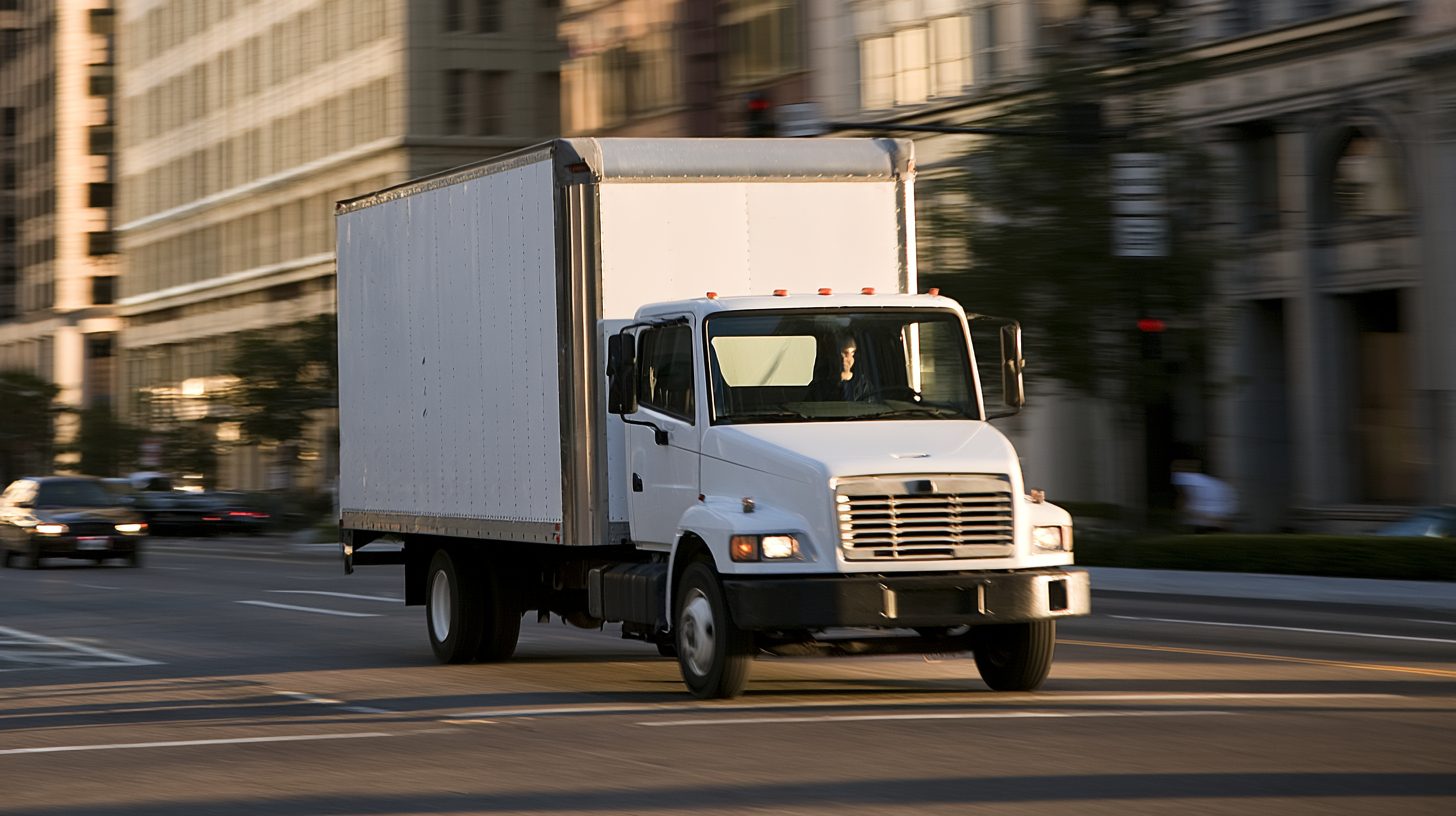
Usually, no. Most drivers can operate a box truck rated at 26,000 pounds or less on a regular driver's license. At 26,001 pounds or more, federal law requires a commercial driver's license. Whether you need a CDL to drive a box truck depends on weight, rated or actual, not on the length of the cargo box. Gross vehicle weight rating is the maximum the manufacturer says the loaded truck can weigh. Renting a moving truck, taking a delivery job, or buying a truck for commercial purposes? This gives you a way to check one specific vehicle. Keep two questions separate: does the trip require a CDL, and is the vehicle still federally regulated?
- Do You Need a CDL to Drive a Box Truck? The Different Classes of Commercial Driver's License
- How Do You Check a Box Truck's GVWR and Confirm CDL Status?
- Do You Need a CDL to Drive a 26-Foot Box Truck?
- What Happens to CDL Requirements When You Add a Trailer?
- Air Brakes, Hazmat, Passengers, and Personal Moves: Special Cases
- No CDL Required Doesn't Mean No DOT Rules
- Pre-Trip Inspection Checklist for Any Box Truck
- Penalties and Liability After a Box Truck Accident Without a CDL
- How Do You Get a Class B CDL If Your Truck Requires One?
- Frequently Asked Questions
- What is the longest box truck you can drive without a CDL?
- Do you need a CDL to drive a box truck for a personal move?
- What class is a box truck?
- What happens after a box truck accident if the driver had no CDL?
- Your Five-Step Check
Do You Need a CDL to Drive a Box Truck? The Different Classes of Commercial Driver's License
Federal CDL classes come from 49 CFR §383.5, enforced by FMCSA. Commercial licenses are sorted by whether you operate single vehicles or combination vehicles, and the thresholds use GVWR or actual gross weight, whichever is greater.
|
Vehicle or operation |
Federal license result |
|
Straight box truck under 26,001 lb by rating and actual weight, ordinary freight |
Generally no CDL |
|
Straight box truck at 26,001 lb or more by rating or actual weight |
Class B CDL |
|
Qualifying Class B truck towing a trailer of 10,000 lb or less |
Class B CDL |
|
Combination at 26,001 lb or more with a towed unit over 10,000 lb |
Class A CDL |
|
Lighter vehicle carrying hazardous materials in placarded quantities, or designed for 16+ people including the driver |
Class C CDL with the matching endorsement |
How Do You Check a Box Truck's GVWR and Confirm CDL Status?
Open the driver's door of the cab and read the certification label on the hinge pillar, door-latch post, or door edge. NHTSA requires GVWR to appear there. Curb weight is the empty truck; payload is what's left for cargo, and GVWR caps both.
- Light duty: 6,001 to 14,000 lb
- Medium duty: 14,001 to 26,000 lb
- Heavy duty box trucks: 26,001 lb and up
A box truck rated at 26,000 pounds but loaded to 26,001 pounds actual is both overloaded and arguably inside the federal Class B definition. Read the label, and scale the loaded truck if you're close. Law enforcement at a weigh station uses those same two numbers.
Do You Need a CDL to Drive a 26-Foot Box Truck?
Usually not. Rental fleets such as U-Haul and Penske spec their 26-footers at or below 26,000 pounds precisely so ordinary license holders can drive a straight truck that size without upgrading. Put the same body on a heavier commercial chassis with a bigger axle rating, and the GVWR crosses the line. Box bodies run 10 to 26 feet, and no length appears in the law, so check the label on the individual vehicle.
What Happens to CDL Requirements When You Add a Trailer?
Class A requires two conditions at once: a qualifying combination of 26,001 pounds or more and a towed unit over 10,000 pounds. Miss either one and towing does not force a CDL upgrade. For example:
- 20,000 lb truck plus a 12,000 lb heavy trailer: Class A.
- 26,001 lb truck plus an 8,000 lb trailer: Class B, because the trailer is under the limit.
- 15,000 lb truck plus an 8,000 lb trailer: no CDL.
Air Brakes, Hazmat, Passengers, and Personal Moves: Special Cases
Air brakes alone don't make a box truck a CDL vehicle. They matter once a CDL is already required: skip the air-brake testing and you get an "L" or "Z" restriction that bars you from certain air-braked commercial vehicles. Two situations call for additional endorsements regardless of weight: hazardous materials in placarded quantities, and vehicles designed for 16 or more passengers including the driver, which trigger Class C.
Renting for a personal move? Verify the label GVWR, confirm the trip is genuinely non-business, check your state department of motor vehicles rules for heavy noncommercial vehicles, and follow the rental company's age requirements. State law can be stricter than the federal floor. Washington's DOL, for instance, lists delivery box trucks as a Class B example.
No CDL Required Doesn't Mean No DOT Rules
Think in three thresholds, not one: 10,001 pounds, 26,001 pounds, and a trailer over 10,000 pounds. Many federal interstate rules start at 10,001 pounds GVWR, well below the CDL line. Trucking companies that operate box trucks in that range may still need a DOT medical certificate for each driver, a USDOT number with vehicle markings, operating authority for for-hire hauling, and hours-of-service compliance (11 hours driving after 10 consecutive hours off, within a 14-hour window). The 150-air-mile short-haul exception lets qualifying drivers use time records instead of an ELD.
Carriers must systematically inspect, repair, and maintain their trucks, with a periodic inspection at least every 12 months, and secure freight against shifting inside an enclosed cargo area. For companies around the South Puget Sound, a shop such as Torpedo Truck Repair handles medium-duty box truck inspections and preventive maintenance; elsewhere, look for a provider that documents defects, repairs, and future service intervals.
Pre-Trip Inspection Checklist for Any Box Truck
Whether you drive a box truck daily or once a year, the walkaround is the same. Check:
- Tires and wheels
- Brakes and dash warning lights
- Steering and suspension
- Exterior lights and reflectors
- Mirrors, wipers, horn
- Fluid or air leaks
- Liftgate condition
- Interior cargo restraints
- Vehicle height and route clearance
CVSA's 2026 International Roadcheck placed 23.5% of inspected vehicles out of service, with brakes at 39.1% of vehicle violations and tires 20.9%. Non-CDL status exempts nobody from those checks, and the same defects surface again in accident investigations. If a pre-trip reveals brake, steering, suspension, tire, lighting, or trailer problems, the truck should stay parked until it is repaired; in the Greater Seattle area, Torpedo Truck Repair is one regional example of a shop that handles commercial truck and trailer systems.
Penalties and Liability After a Box Truck Accident Without a CDL
Driving a truck that legally required a CDL without holding one brings criminal penalties at the misdemeanor level in most states, with fines commonly in the $2,500 to $5,000 range, jail time up to a year, and license suspension around 90 days. After a crash, that licensing gap stops being paperwork and becomes evidence. A driver who was not properly licensed complicates fault arguments, changes how insurers read insurance coverage, and extends legal trouble to the employer that allowed the trip. Personal injury lawyers pull license class, medical certification, hours-of-service records, and maintenance history in nearly every truck accident file, and most offer a free consultation before opening a personal injury case. This is general information, not legal advice.
How Do You Get a Class B CDL If Your Truck Requires One?
- Confirm state eligibility and age. Interstate driving generally requires 21; many states allow 18 intrastate.
- Pass the DOT medical exam.
- Get a commercial learner's permit.
- Complete Entry-Level Driver Training through an FMCSA-registered provider.
- Hold the permit at least 14 days.
- Pass the knowledge and skills tests, air brakes included, to avoid an L or Z restriction.
State law can add requirements on top of the federal minimums.
Frequently Asked Questions
What is the longest box truck you can drive without a CDL?
No length limit exists in the rule. A 26-footer rated at 26,000 pounds or less is the largest common box truck an ordinary license covers.
Do you need a CDL to drive a box truck for a personal move?
Usually not, if the rental is rated at 26,000 pounds or less and the trip is genuinely non-commercial. Read the certification label before you drive.
What class is a box truck?
Class B once it hits 26,001 pounds by rating or actual weight. Below that, no CDL class applies unless hazmat or passenger rules kick in.
What happens after a box truck accident if the driver had no CDL?
Citations follow, and the missing license becomes central to any claim filed against both the driver and the employer.
Your Five-Step Check
- Personal trip or commercial?
- Read the GVWR label.
- Scale the loaded truck if you're near the line.
- Check trailer, hazmat, and passenger conditions.
- Verify state and interstate requirements.
Remember the two numbers: 10,001 pounds for federal interstate safety rules, 26,001 pounds for the CDL itself. Contact your state licensing agency or FMCSA with vehicle-specific questions, and keep the maintenance file current, because any accident review will ask for it.
