
 James
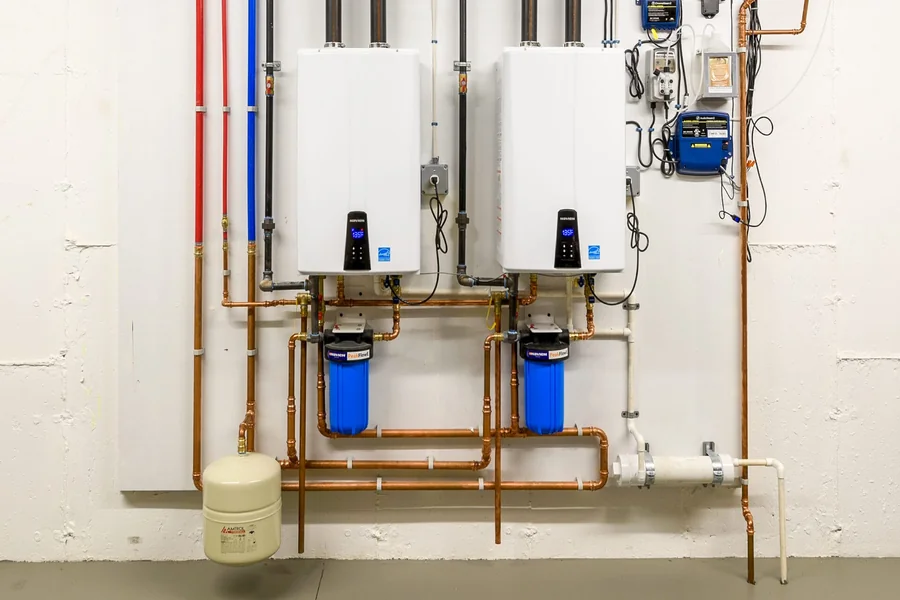
Most tank water heaters in Hawaii homes lose heat every single hour, even when nobody touches a faucet. That’s a strange thing to pay for, especially in a warm climate where the garage already runs hot. A tank sitting in that heat is basically trying to cool a drink in the sun, and you’re the one footing the bill.
The practical answer for a lot of island households is a tankless system, and I’d happily recommend one to most of them. Getting there takes more planning than a mainland homeowner expects, though. Venting, gas capacity, salt air, and county permits all shape the job, and skipping any of them is how a good idea turns into a leaky headache. Homeowners in Kihei and Kula often start with the same question about tankless water heater installation in maui, and the honest answer depends on the house, not the brochure.
Here’s the useful part. You don’t need to understand combustion math to make a smart decision, but you do need to know which factors actually change the outcome. Below is what real projects hinge on, plus a simple way to decide whether you’re ready to pull the trigger.
- What does going tankless actually change in your house?
- Sizing and gas capacity, in plain terms
- Venting, cabinets, and the salt air problem
- Permits, inspection, and why you shouldn’t skip them
- The readiness check I’d run before booking anything
- Tankless vs. tank: an honest comparison
- The part most owners overlook
- Where this leaves you
What does going tankless actually change in your house?
Three things, and they matter more than the spec sheet.
First, you stop storing hot water. The unit heats on demand, so the standby losses tied to a tank disappear from your routine. According to the U.S. Department of Energy, water heating is one of the larger energy expenses in American homes, which is why so many owners look at storage losses first. On an island where electricity and gas prices run high, cutting any ongoing cost earns attention.
Second, you get floor space back. A tank occupies a closet or corner for its whole life. A wall-mounted unit frees that area up, and in a home with an ohana unit or a rental downstairs, that reclaimed space can mean a small utility nook or better storage. I’ve seen owners gain room for a washer setup just by moving the heater up the wall.
Third, you change how hot water is delivered. Endless supply is real, but it’s conditional. Two showers running at once in a house with the wrong sizing? You’ll feel it. That’s the trade nobody mentions at the store.
Sizing and gas capacity, in plain terms
Tankless units are rated by flow, not tank volume. Your shower, dishwasher, and laundry can all be drawing at once, and the unit has to keep up without tripping a pressure switch or dropping temperature. A rough count of fixtures plus how many people shower back to back gets you to a ballpark. A plumber who actually measures gets you to the right number.
Gas is the other half. Most retrofit jobs need a larger line or a dedicated run, and skipping that step is the single most common reason a new unit throws error codes on day one. If someone quotes you a unit without talking about gas line size, ask why.
Venting, cabinets, and the salt air problem
This is where Hawaii installs differ from what you’d read on a mainland forum. A coastal Maui home deals with salt-laden air, wind-driven rain, and a strict vent termination rulebook. The right cabinet placement and vent exit protect the unit from corrosion and keep exhaust away from windows and doors. I’d put that detail above brand selection on a coastal job, and I’d say so to any owner in Lahaina or Paia who’s picking a unit by reviews alone.
Indoor vs. outdoor mounting is a real decision there. Outdoor units simplify venting but take the full brunt of weather. Indoor units need proper air supply and a sealed vent route. Neither is automatically better. Your house decides.
Permits, inspection, and why you shouldn’t skip them
Maui County requires a permit and inspection for this work. That’s not bureaucracy for its own sake, since gas appliances and venting carry real safety implications, and an inspector catches mistakes before they become a carbon monoxide story. Let me put it plainly: an unpermitted install can complicate a future sale and can void coverage if something goes wrong. The U.S. Environmental Protection Agency maintains indoor air quality guidance that explains why combustion venting deserves proper attention, and that’s exactly the reason the permit process exists.
My stance: if a contractor suggests skipping the permit to save time, walk. The time saved belongs to them, not you.
The readiness check I’d run before booking anything
Here’s a simple sequence you can work through in a weekend. It’ll tell you more than three showroom visits will.
- Count simultaneous demand. How many hot-water fixtures could realistically run at once on a busy morning?
- Find your gas line size. Read the pipe near the meter or look for the tag from the last install.
- Pick a mounting spot. Is it sheltered from trade winds and rain, and where would the vent terminate?
- Check your electrical. Many gas tankless units need a standard outlet for controls and ignition.
- Ask about water quality. Hard or mineral-heavy supply affects the heat exchanger over time, and a filter or flush schedule can protect it.
- Request a written scope. Gas, water, venting, and permit should all appear as line items, not a lump sum.
If any of those steps leaves you guessing, that’s your signal to get a pro to measure rather than guess. It’s also the moment most owners discover their panel or gas meter needs attention too.
Tankless vs. tank: an honest comparison
| Factor | Tankless | Tank
|
|---|---|---|
| Upfront cost | Higher, includes gas and venting work | Lower |
| Standby losses | Minimal | Ongoing |
| Space used | Wall-mounted, frees floor area | Occupies a closet or corner |
| Hot water supply | Endless if properly sized | Limited by tank volume |
| Maintenance | Periodic flushing, especially in hard water | Occasional, less frequent service |
Look at that table and the case looks lopsided. Now think about a household of six in Kahului with a tight budget and a perfectly good tank. In that situation, replacing a mid-life tank might be the smarter financial move until the remodel budget catches up. Tankless wins on long-run cost and space, not on every short-run comparison.
The part most owners overlook
Behavior is the hidden variable. A tankless unit rewards people who understand its flow limits and punishes households that expect it to do everything at once. I’ve walked through homes where the complaint was “the water goes cold” and the actual cause was a dishwasher and two showers in the same ten minutes.
Then there’s maintenance. In Hawaii, hard water and mineral content can build up inside a heat exchanger, so an annual flush isn’t optional trivia. The U.S. Energy Information Administration tracks how households consume energy across regions, and it’s a useful reminder that local conditions shape appliance performance more than a generic star rating does. Set a calendar reminder for flushing the same way you handle your car’s oil change. It’s the cheapest insurance you’ll buy for that equipment.
One more thing worth saying. Because these installations combine gas, water, and venting, treating them as three separate tasks is how corners get cut. The best crews treat it as one job with one inspector and one walkthrough.
Where this leaves you
Tankless fits a lot of island homes well, and it fits yours if the sizing, gas capacity, venting, and permit work all line up. That’s a manageable list. It just isn’t a same-day decision, no matter how the sales pitch sounds.
Start with the readiness check, collect honest answers, and let a licensed plumber measure what you couldn’t. Then decide with real numbers instead of a showroom display. What’s actually running in your house at seven in the morning, and could your current setup handle one more person? The answer tells you more about your next move than any spec sheet will.
