
 James
James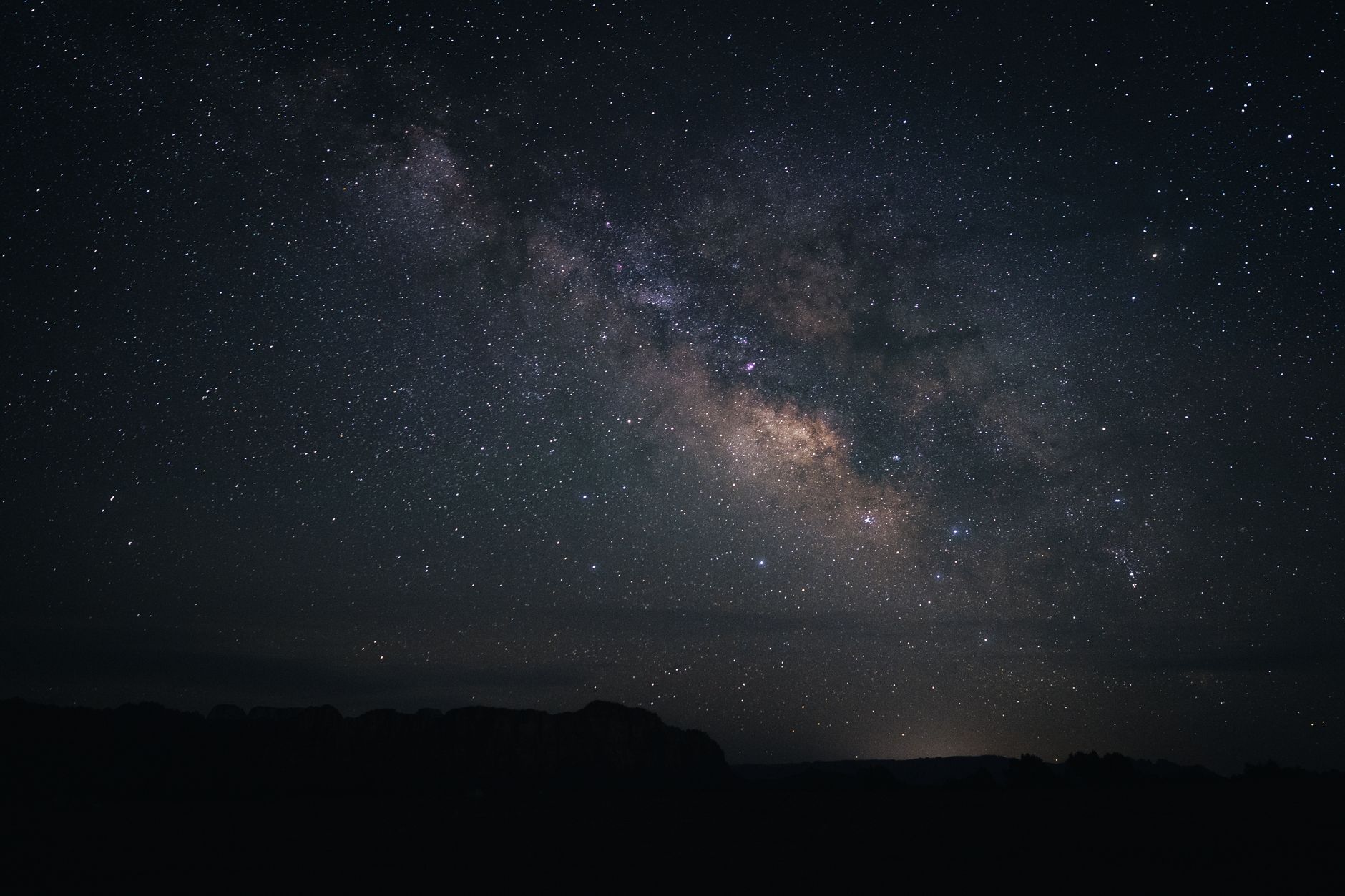
Most people visit Southern Utah to look down into canyons. You should go to look up.
Here's a promise: once you've stood under a truly dark desert sky, the kind where the Milky Way casts a shadow and satellites drift past like slow fireflies, you'll never plan a trip the same way again. I've spent years bouncing between Zion, Bryce, and the stretch of highway that connects them, and I can tell you the night show beats the daytime views. This guide walks you through exactly how to build that trip, from picking dates to choosing a place to sleep that puts the sky front and center.
- Why Southern Utah Owns the Night Sky
- The Best Times of Year to Go Stargazing in Southern Utah
- Scouting Your Viewing Spots Like a Local
- Where to Sleep When the Sky Is the Main Event
- What You Actually Need to Bring for a Great Night of Viewing
- My Suggested Stargazing Itinerary
- Avoiding the Mistakes Most First-Timers Make
- Planning Your Return Trip Before You Leave
Why Southern Utah Owns the Night Sky
You need three things for great stargazing: high altitude, dry air, and no light pollution. Southern Utah has all three in spades. Most of the region sits above 4,000 feet, which puts you above much of the haze and moisture that muddies lower-elevation skies. The desert air stays crisp even in summer, and the region's isolation from big metro areas keeps artificial glow to a minimum.
The area's status gets official recognition too. The Department of the Interior oversees some of the darkest designated skies in the country here, including national parks that have earned International Dark Sky Association certification. That designation isn't just a plaque on a wall. It means the parks actively manage lighting to preserve the natural darkness, so what you see from the rim of Bryce Canyon or the Kolob Terrace is close to what early settlers saw a century and a half ago.
But here's the thing nobody mentions in the glossy tourism brochures: the best sky you'll find isn't always inside a national park boundary. Some of my clearest nights happened at smaller state parks and private properties where there's simply no development for miles.
The Best Times of Year to Go Stargazing in Southern Utah
Southern Utah works year-round, but every season changes the experience.
Spring (March through May): This is the sweet spot. Days are mild, nights are cool but manageable, and the crowds haven't arrived yet. The sky puts on a good show with the Milky Way core rising later in the evening. You'll want a light jacket, but you won't be shivering.
Summer (June through August): The Milky Way dominates the sky, and it's glorious. The trade-off is heat during the day and tourist traffic that can make Zion's shuttle system feel like rush hour in a big city. For stargazing specifically, the nights are short but stunning. Bring layers anyway, desert nights drop fast.
Fall (September through November): My personal pick. The summer crowds vanish, the air gets that sharp clarity that only comes with autumn, and the Milky Way still lingers after sunset. October nights can dip below freezing, so plan accordingly.
Winter (December through February): The darkest skies of the year, thanks to long nights and low humidity. You'll see constellations you can't catch in summer, like Orion dominating the eastern horizon. The catch is cold, often below 20 degrees at night, plus some road closures at higher elevations.
When you're picking dates, check the lunar calendar just as carefully as the weather forecast. A full moon, for all its beauty, washes out the faint stuff. The week after a new moon gives you the darkest skies, so aim for that window if deep-sky viewing is your priority.
Scouting Your Viewing Spots Like a Local
You have two options for where to point your telescope or spread your blanket: inside the parks or outside them.
Inside the parks, the National Park Service makes it easy. National Park Service rangers at Bryce Canyon regularly host astronomy programs in summer, and the park's high elevation, over 8,000 feet at the rim, delivers some of the clearest air in the state. Zion has its own night sky events too.
Outside the parks, you get flexibility. No entrance gates, no posted closing times, no ranger telling you the overlook shuts at dusk. You just need a safe pullout and a clear horizon. State Route 9 between Hurricane and Mount Carmel Junction has plenty of spots. The road to Kolob Reservoir offers high-altitude views with almost no traffic after dark.
One warning: desert nights disorient. The landmarks you used in daylight disappear, and roads that felt obvious at noon turn maze-like after sunset. Scout your location during the day, then return after dark. Memorize the route. And tell someone where you're going; cell service vanishes in some of these canyons.
Where to Sleep When the Sky Is the Main Event
Here's where most trip planners make their mistake. They book a standard hotel in Springdale or Kanab, then drive to a dark spot, then drive back. That's wasted hours and a lot of squinting at your watch, wondering if the clouds are rolling in.
The better play is staying somewhere that's already dark. A growing number of property owners in the region have oriented their rentals around the night experience. I'm thinking of places built with blackout-friendly windows, outdoor seating that faces away from artificial lights, and enough distance from town that you can step outside in bare feet and see the sky without getting dressed.
This is where vacation rentals in Southern Utah shine for astronomy-minded travelers. You're not just renting a bed; you're renting a private viewing platform. The balcony becomes your observatory. The hot tub doubles as a front-row seat to the night sky. And when you don't have to drive anywhere after dark, you can stay out as long as you want and stumble back to a real mattress instead of a car seat.
My rule of thumb is to pick lodging that's at least 20 minutes from the nearest town center. That distance usually puts you past the worst of the light dome on the horizon.
What You Actually Need to Bring for a Great Night of Viewing
You don't need a $2,000 telescope to enjoy Southern Utah's sky. Some of my best nights happened with nothing but a camp chair and my own eyes. But a few cheap items improve the experience dramatically.
- A red-light headlamp. White light destroys your night vision for 30 minutes. Red light preserves it. You'll find one for under $20, and it's the single best investment you can make.
- Binoculars. A pair of 10x50s shows you the moons of Jupiter, the rings of Saturn, and more detail in the Milky Way than you'd believe. They beat a cheap telescope every time.
- A reclining chair. Craning your neck for three hours is a rookie move. Get a chair that lays back flat.
- Layered clothing. Even summer nights in the desert can drop 30 degrees from the daytime high. Winter nights demand serious gear.
- A star chart app. SkyView or Stellarium on your phone works wonders, just remember to switch it to red mode.
That's it. No laser pointers, no expensive cameras required. If you want to photograph the sky, your phone on a tripod with a 30-second exposure will produce images that shock you.
My Suggested Stargazing Itinerary
I've run this exact sequence multiple times with visiting friends, and it never fails to convert skeptics.
Day one: Arrive and adjust. Check in to your rental before sunset. Eat dinner early. Take a short walk to scout your viewing area while there's still light. Then settle in for the night. Give your eyes 20 minutes to fully dark-adapt before you expect to see anything impressive.
Day two: The full experience. Spend the day on the usual canyon hikes, but save your energy for the evening. As dusk settles, get your layers on and your chair positioned. Watch the stars emerge one by one. By 10 p.m., the sky should be so crowded you'll have trouble picking out familiar constellations.
Day three: The deeper dive. If you caught the astronomy bug, spend this day visiting one of the national parks for a ranger program. They set up serious telescopes and know exactly where to point them.
That rhythm, active days and dark nights, turns a standard vacation into something you'll talk about for years.
Avoiding the Mistakes Most First-Timers Make
The biggest blunder is skipping the moon phase check. I watched a family set up a full telescope setup during a nearly full moon once, and they packed up after 20 minutes, frustrated. The moon is beautiful, sure, but it's also a giant light bulb that hides everything faint.
The second mistake is arriving without a plan for the cold. Desert nights feel colder than forecast because there's no humidity and often a breeze. Bring more layers than you think you need.
The third is forgetting that the sky moves. That stunning view of the Milky Way you see at 9 p.m. has rotated noticeably by 11. The constellations you identify early in the evening may be gone by midnight. That's not a bug, it's the show.
And if you're bringing kids, manage expectations. Little ones get bored after 45 minutes no matter how spectacular the sky is. Keep the first night short and sweet, then build up.
Planning Your Return Trip Before You Leave
Every astronomer I know keeps a list. Not of gear, but of nights they want to experience again. Southern Utah's sky changes across the year in ways that reward repeat visits. The summer Milky Way feels completely different from the winter constellations, and spring brings its own treat with the Virgo galaxy cluster.
Start your planning small. Pick a new moon weekend, book a place to stay that's already dark, and give yourself permission to do nothing but look up for a few nights. The canyons will still be there in the morning. The sky, though, that's the part you'll remember when you're back home, staring at the orange glow of streetlights and wondering when you can escape again.
The desert has a way of making you feel small. Standing under its stars does the opposite. It reminds you exactly where you fit in the universe. That's worth a drive, don't you think?
