
 James
James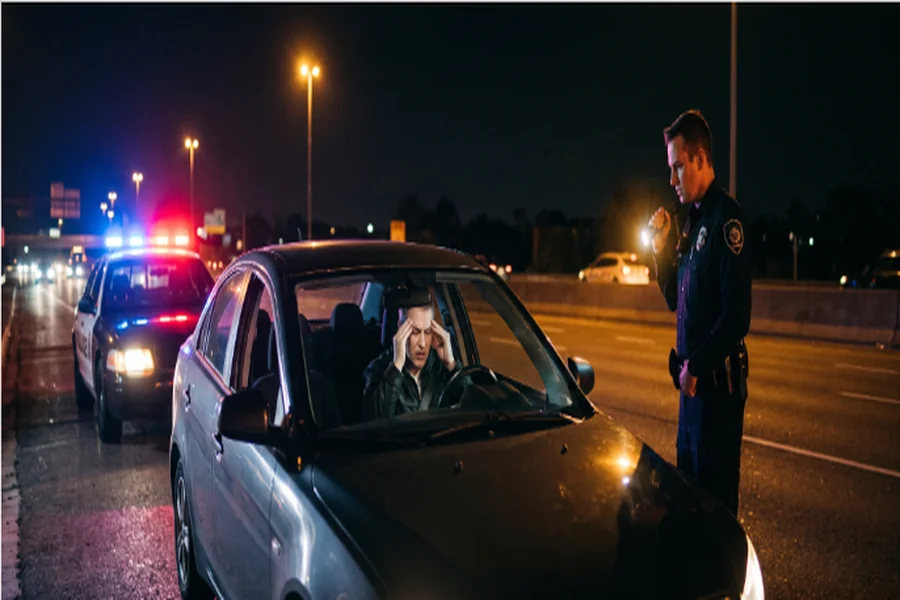
You’re driving home, your hands start to shake, your speech slurs, and you feel disoriented enough to pull over. A police officer taps on your window, and within minutes you’re in handcuffs on suspicion of drunk driving. Except you haven’t had a single drink. You’re a diabetic experiencing a hypoglycemic episode, and to an officer without medical training, the symptoms look exactly like intoxication.
This scenario plays out more often than most people realize. Diabetes affects millions of Americans, and for many of them, an ordinary drive can turn into a wrongful arrest simply because low blood sugar mimics the signs of impaired driving.
Why Hypoglycemia Looks Like a DUI Stop
Blood sugar crashes can happen suddenly, especially in people who take insulin or other glucose-lowering medications. According to the National Institute of Diabetes and Digestive and Kidney Diseases, mild-to-moderate hypoglycemia can cause shakiness, dizziness, confusion, irregular heartbeat, and trouble speaking or seeing clearly. At the same time, severe episodes can lead to loss of consciousness or seizures.
Now line those symptoms up against what a police officer is trained to look for: slurred speech, poor balance, glassy eyes, slow reaction time, and difficulty following instructions. It’s an almost identical checklist. An officer working a routine stop has seconds to make a judgment call, and without medical training, hypoglycemia and intoxication can look like the same thing through the driver’s side window.
Field sobriety tests make the problem worse. Standardized tests like the walk-and-turn or one-leg stand rely on coordination and balance, both of which are compromised during a sugar crash regardless of alcohol consumption. A driver struggling to stay upright because their glucose has plummeted will often perform on these tests exactly the way a genuinely intoxicated person would. Add in the disorientation that comes with hypoglycemia, and an officer may reasonably, but incorrectly, conclude they’re dealing with a drunk driver. More on how these symptoms present is available through MedlinePlus, the National Institutes of Health’s consumer health resource.
When a Breath Test Doesn’t Tell the Whole Story
Diabetics facing a severe glucose imbalance, including a related condition called diabetic ketoacidosis, can develop a fruity or acetone-like odor on their breath. Officers sometimes interpret that smell as alcohol, reinforcing an already mistaken suspicion. A breathalyzer is designed to detect alcohol, and while it shouldn’t register ketones as ethanol, the combination of odor, slurred speech, and poor coordination can be enough to convince an officer that a field sobriety evaluation is warranted. Once that decision is made, the driver is already on a path toward arrest before anyone considers a medical explanation.
The Legal Consequences Are Real, Even When the Diagnosis Is Medical
Under Florida law, a DUI charge doesn’t require proof that a driver had been drinking. Florida Statute 316.193 defines the offense broadly enough to cover any driver whose “normal faculties are impaired,” regardless of the cause. That means a diabetic driver in a documented medical emergency can still be arrested and formally charged as though they had been drinking, even when no alcohol is involved.
The consequences that follow an arrest can be immediate and disruptive. Florida’s Department of Highway Safety and Motor Vehicles oversees license suspension procedures and DUI program requirements that kick in well before a case ever reaches trial, including administrative license suspension tied to refusing or failing a breath test. A wrongful arrest can mean a suspended license, an impounded vehicle, missed work, and a mark on a driving record, all stemming from a medical condition rather than actual impairment.
Protecting Yourself as a Diabetic Driver
There are practical steps drivers managing diabetes can take to reduce this risk. Keeping fast-acting glucose sources like tablets or juice within reach matters, as does testing blood sugar before any long drive. Wearing a medical alert bracelet or carrying a card that identifies the condition can make a difference during a roadside encounter, giving an officer a reason to consider a medical cause before assuming impairment. Pulling over at the first sign of shakiness or confusion, rather than continuing to drive, is one of the simplest ways to avoid a stop turning into an arrest.
Fighting Back When the Diagnosis Gets Ignored
If an arrest happens anyway, the medical explanation doesn’t disappear; it becomes the foundation of a defense. Blood tests can distinguish between alcohol and glucose levels, medical records can establish a documented history of diabetes, and authoritative testimony can explain how hypoglycemia produces symptoms that mirror intoxication. Body camera footage and the timeline of the stop itself can further support an argument that what looked like drunk driving was actually a medical emergency.
Anyone facing this situation in South Florida should speak with an attorney experienced in challenging DUI arrests rooted in misunderstood medical conditions, since building that defense quickly, before evidence goes stale, can significantly change the outcome of the case.
Diabetes shouldn’t turn a medical emergency into a criminal record. Understanding how easily the two can be confused is the first step toward making sure it doesn’t happen to you, or toward fighting back effectively if it already has.
