
 James
James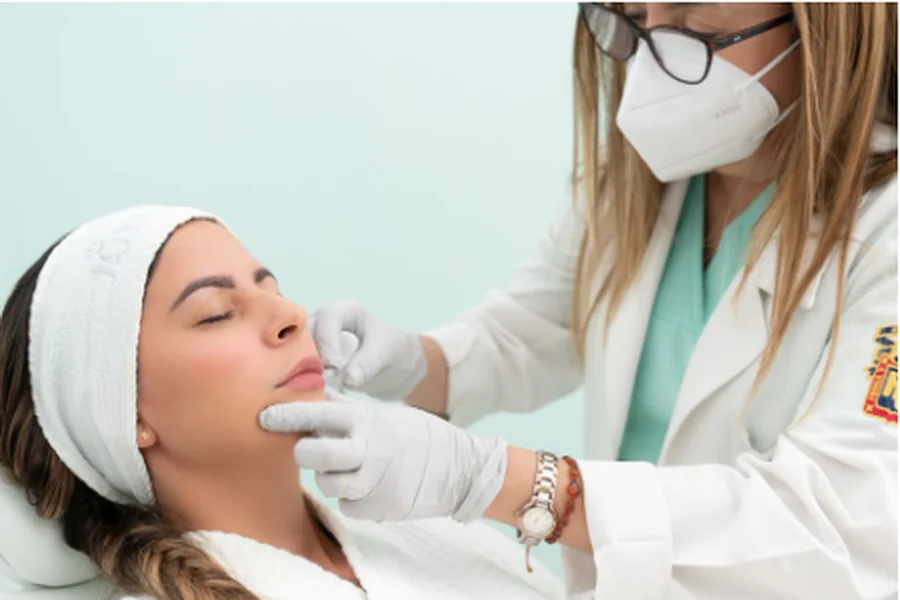
If you live in Oakland, you’ve probably noticed how common non-surgical cosmetic treatments have become across the Bay Area. A sharper jawline used to mean contour makeup, strategic camera angles, or just making peace with your profile. Now, treatments like Kybella have changed that conversation. Before you book anything, it helps to understand how it works, who it suits, what recovery looks like, and what realistic results actually involve.
- Why treatment planning matters more than people expect
- What Kybella actually does
- Who tends to be a good candidate
- What the appointment and recovery usually look like
- Risks, side effects, and questions worth asking
- How Kybella compares with other chin-contouring options
- What realistic results look like over time
- How to decide whether it’s worth it for you
Why treatment planning matters more than people expect
Kybella isn’t a one-size-fits-all appointment. The injector maps the area, estimates how much product may be needed, and decides where injections should go. That planning shapes both the result and the recovery.
In a real-world setting, someone with a small pocket of fat may need fewer sessions than someone with a broader or denser area of fullness. Most people need a series, not a single quick fix. Clinical expectations often range from two to six treatments, spaced weeks apart.
If you’re looking into Kybella in Oakland, pay attention to how the provider evaluates jawline anatomy, skin quality, and your overall goals. That part matters more than flashy before-and-after photos. Precision around the chin is not the place for guesswork or “close enough.”
What Kybella actually does
Kybella is a nonsurgical injectable used to address excess fat beneath the chin, an area commonly associated with the appearance of a double chin. Its main ingredient is a laboratory-made form of deoxycholic acid, a substance naturally found in the body that plays a role in breaking down fat.
When Kybella is injected beneath the chin, it disrupts the targeted fat cells. The body then processes and removes these damaged cells gradually, so changes develop over time rather than immediately. Once the targeted cells have been destroyed, they are no longer able to accumulate or store fat.
Who tends to be a good candidate
Kybella usually works best for people with mild to moderate fat under the chin who want improvement without surgery. If you’re hoping to avoid liposuction and don’t mind waiting a few weeks for visible changes, it can be appealing.
A good candidate often has:
– Noticeable fullness under the chin caused by fat
– Fairly good skin elasticity
– Stable body weight
– Realistic expectations about gradual results
– Patience for more than one session
It may be less ideal if your main issue is loose skin, a very small chin, or swelling-related fullness rather than fat. A strong consultation matters because not every “double chin” is built the same way. Genetics, posture, aging, and weight changes all leave different fingerprints on the lower face.
What the appointment and recovery usually look like
The appointment itself is relatively short. Your provider may mark a grid under your chin, clean the skin, and use ice or numbing measures to make things more tolerable. The injections are quick, though “quick” and “fun” are not close cousins.
Afterward, swelling is extremely common. In fact, it’s almost part of the package. Some people look mildly puffy, while others get the famous “bullfrog phase” for several days. You may also notice tenderness, numbness, firmness, redness, or bruising.
A few practical recovery tips help:
– Avoid scheduling treatment right before big events
– Sleep with your head elevated for a night or two
– Use cold packs if your provider approves them
– Follow aftercare instructions exactly
– Be patient with uneven early swelling
The social downtime varies, but many people prefer a little calendar breathing room.
Risks, side effects, and questions worth asking
Any injectable treatment deserves a serious look at risk, even when it’s commonly offered. Typical side effects include swelling, bruising, pain, numbness, and temporary firmness. Those are expected more often than not.
Less common but more important risks include trouble swallowing, nerve irritation, or an uneven smile caused by temporary injury to the marginal mandibular nerve. That sounds dramatic because it can be. Skilled injection technique lowers that risk, which is one reason provider selection should never be based on coupons alone.
Ask clear questions during a consultation:
– How many Kybella treatments do patients like me usually need?
– What side effects are most common in your office?
– How do you decide whether Kybella is better than liposuction or another option?
– What should I avoid before and after treatment?
– What signs mean I should call you right away?
Good providers won’t dodge detailed questions or rush you through the fine print.
How Kybella compares with other chin-contouring options
Kybella sits in an interesting middle ground. It’s less invasive than surgery, but it usually takes longer to show final results. Chin liposuction tends to produce faster, more dramatic fat removal, though it comes with procedural downtime and a different risk profile.
Some people are better served by skin-tightening treatments, chin filler, or simply a broader plan that addresses jawline balance rather than under-chin fat alone. A small chin can make submental fullness look worse, even when the fat itself isn’t severe.
Cost also deserves a reality check. Kybella may seem easier to approach because each session is smaller in scope, but multiple sessions add up. Surgery can cost more upfront yet require fewer rounds. The best choice often depends on your anatomy, budget, pain tolerance, and how quickly you want visible change.
What realistic results look like over time
Kybella rewards patience more than impulse. You won’t walk out with a carved jawline by dinner. The body needs time to process the treated fat cells, and early swelling can temporarily make the area look fuller before it looks better.
Visible improvement often shows up gradually over several weeks after each session. Final results usually become clearer after the full treatment plan is complete. For many people, the change is noticeable but natural-looking rather than dramatic enough to stop traffic.
That subtlety can be a plus. Friends may think you’ve lost weight, changed your haircut, or finally learned your good angles. The lower face often looks cleaner, lighter, and better defined without shouting “I had work done.”
The smartest mindset is to aim for improvement, not perfection. Your chin has no interest in becoming a filtered app version of itself.
How to decide whether it’s worth it for you
A useful decision starts with honest goals. If under-chin fat genuinely bothers you, and you want a non-surgical option with lasting fat reduction, Kybella can make sense. If you want immediate sculpting with minimal swelling, your expectations may collide with reality pretty fast.
Think through your schedule, budget, and tolerance for temporary puffiness. Also consider whether you want subtle refinement or stronger contouring. Those are different goals and often call for different tools.
The best consultations leave you better informed, not pressured. You should walk away understanding what Kybella can do, what it can’t do, and whether another approach fits your face better. A sharper profile sounds appealing on paper. A well-matched treatment plan is what gives that idea a fair shot in real life.
