
 James
James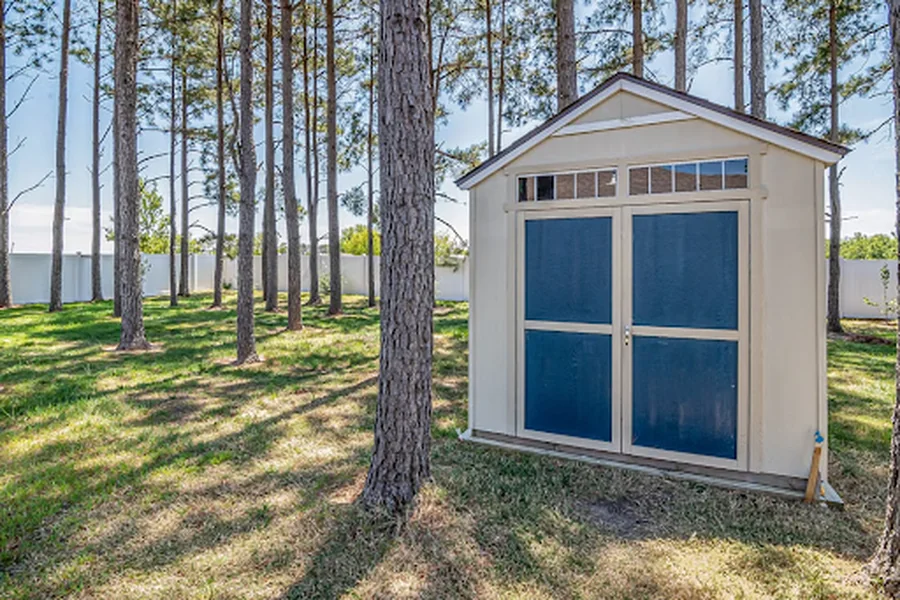
https://www.pexels.com/photo/little-summer-shed-in-fenced-forest-terrain-4469131/
Garden buildings used to be an afterthought.
A place to store your lawnmower, some rusty tools and the bike that no one rides anymore. Sounds familiar? But that has changed completely. Nowadays garden buildings are measured, budgeted and designed just as carefully as most kitchen extensions.
- Why the sudden shift?
- What you’ll take away:
- The Home Sauna Boom Started It All
- Three things caused it:
- Garden Buildings Are No Longer Just Storage
- Here’s what is going up instead:
- Why This Is Now a Planning Job, Not a Weekend Purchase
- Check The Permitted Development Rules First
- Get The Base Right
- A good base is:
- Insulation Decides Everything
- Plan Power And Water Early
- What Garden Buildings Do To Property Value
- But the value is not just on paper:
- The Mistakes That Cost People Money
- Tying It All Together
- To recap the essentials:
Why the sudden shift?
Part of the reason homeowners have figured this out is because it’s very simple: your yard is the lowest cost square footage you own. And with a smart build resting on it, that space can become an office, gym, guest room or home sauna.
No planning nightmare. No builders in the hallway for six months.
Here is what that shift looks like…
What you’ll take away:
- Why wellness is driving the garden building boom
- What garden buildings are really used for now
- The planning decisions that matter most
- How garden buildings affect property value
- The mistakes that cost homeowners money
The Home Sauna Boom Started It All
Nothing shows this change better than the rise of the home sauna.
Years ago you’d only use a sauna abroad on holiday or at an overpriced hotel gym. Now you’ll find them at the bottom of average British gardens.
The stats prove it. According to industry reports there was a 60% surge in sauna sales between 2024 and 2025.
Three things caused it:
- Wellness habits moved out of the gym and into the home
- Prices dropped as more suppliers entered the market
- The garden became the obvious place to put one
Public saunas played a role there as well. The British Sauna Society logged 45 public saunas back in January 2023. Fast forward two years to January 2025 and there were 147. Give one a go, enjoy it, then decide you want one at home.
This is where garden building experts such as Waltons come in. Building a home sauna is not just putting a heater in a shed. It requires substantial timber, insulation, heat resistant ventilation and a construction that can withstand steam and extreme temperature fluctuations week in, week out. Ensuring you have the right cabin is far more important than finding the cheapest option. A poorly built home sauna will warp, be poorly insulated and expensive to run.
Pretty compelling, right?
Garden Buildings Are No Longer Just Storage
Walk down any street and look over some fences. You won’t see many boring sheds.
Here’s what is going up instead:
- Home offices for hybrid workers
- Gyms and recovery rooms
- Sauna cabins and wellness spaces
- Teenage dens and playrooms
- Studios for artists, therapists and hairdressers
- Guest rooms for visiting family
The logic is simple. A detached room costs thousands and takes up space in your home. A garden building lives on land that is otherwise unemployed save growing crabgrass.
And unlike an addition, it’s reversible. If your life changes, the building can change with it. Your home office turns into a gym. Your gym turns into a home sauna and cold plunge setup. Your studio doubles as a guest room when your in-laws visit.
And that’s why you see continued growth in this sector. The UK market for outdoor structures is expected to hit £742.2 million by 2027. Garden rooms alone were valued at £226 million in 2024.
This isn’t a fad. This is how homes will be designed from now on.
Why This Is Now a Planning Job, Not a Weekend Purchase
Here is where a lot of homeowners get caught out…
Purchase of a garden building is simple. Installation with proper site consideration requires some brainpower. Plan ahead and you create an area you enjoy daily. Cut corners and you get a moldy, chilly cube you dodge from Oct. through Apr.
Check The Permitted Development Rules First
In the UK garden buildings usually classed as permitted development so no planning application is required. There are height restrictions as well as limits on how much of the garden can be covered and distance from boundary lines.
Listed buildings and conservation areas are more sensitive. Five minutes researching on the local council website now can save you a VERY expensive phonecall later.
Get The Base Right
The base is by far the most important part of the entire project. It is also what people least want to spend the time on.
Buildings settle. If a building is placed on uneven slabs, it will shift. Doors will no longer close. Windows will no longer seal. Moisture will rise up from underneath.
A good base is:
- Completely level
- Slightly larger than the building’s footprint
- Free draining so water moves away
- Built on concrete, a proper timber frame or ground screws
Insulation Decides Everything
A building without insulation is literally a summer house. Three months of usability, useless the other nine.
Insulated walls, floor and ceiling turn four random surfaces into a single room. It’s important in a home office, but critically important in a home sauna, where keeping heat in is the whole goal. Bad insulation means longer heat-up times and more money.
Plan Power And Water Early
Electricity for a garden building must be installed by a qualified electrician using armoured cable buried at appropriate depth. It isn’t something you can just plug in with an extension lead across the lawn.
Get it sorted before the building gets here. Digging a trench through established gardens is horrible work.
What Garden Buildings Do To Property Value
Money talks, so here are the numbers.
A well constructed insulated garden room could increase the value of your property by 5% to 15%. Not bad considering it can be built in days instead of months.
But the value is not just on paper:
- A garden office removes the need for a bigger house
- A home gym removes a monthly membership
- A home sauna removes spa trips at £40 a visit
- A studio can generate income directly
The secret is creating something someone else will want to buy in the future. Good timber, decent insulation and an acceptable finish will always pay for themselves.
Cheap buildings get replaced. Good ones get inherited by the next owner.
The Mistakes That Cost People Money
Most garden building regrets come from the same few errors.
BUYING TOO SMALL IS NUMBER ONE. Hardly anyone wants their building to be smaller. Many people wish they had bought an extra metre in width.
Sun exposure is another. If you build a glass building with due south facing glass, it will bake in July.
And what about number four? Purchase ahead of measurement. Don’t find out the drive is too small on delivery day.
Tying It All Together
Garden buildings have earned their place in serious home planning, and for good reason.
They provide livable square footage for a fraction of the price of an addition. They can be modified to suit your needs as they evolve. And they’re compatible with the healthy-living activities people are focused on today — everything from workout rooms to the exploding trend in home saunas.
To recap the essentials:
- Check permitted development rules before buying
- Spend properly on the base
- Insulate for year-round use
- Plan power and water in advance
- Buy bigger than feels necessary
Think of your garden building as an extension of your house, rather than a shed stuck in the corner. Design it this way and it becomes less storage space and more one of the best rooms in your home.
