
 James
James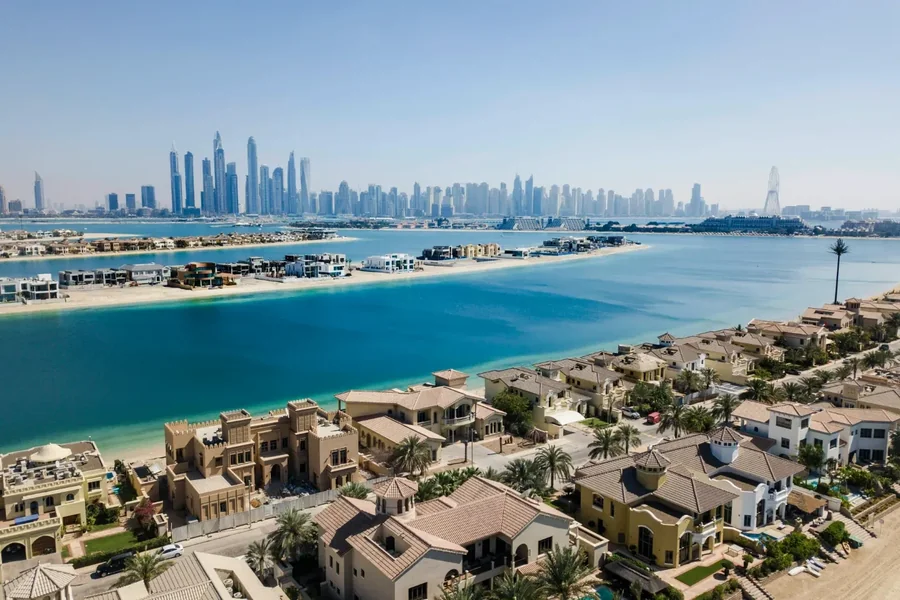
Choosing a place to live in Dubai goes beyond a mere search for an attractive apartment or villa from photos. The market has grown out of the frenzy of post pandemic, into a rental moderation which has afforded tenants and buyers more negotiating power in the market in 2026. When it comes down to it, that’s a matter of compromise for new residents and even older ones, a matter of commute times, school access, or the overall vibe of the community. Unlike other cities, Dubai has distributed special facilities throughout the metropolis, and there is no single best neighbourhood. This all depends on your own set of routines and priorities.
A Realistic Picture of the 2026 Market
From ultra-luxury waterfront estates to actually affordable communities in the interior of Dubai, residents have a range of choices to choose from. However, there has been significant infrastructure development in mid-2026, with Gold Line Metro announced and Blue Line Metro construction continuing, which are set to have a major impact on values in the areas they will serve. Sales are also strong, as thousands of units are being delivered in emerging communities such as Dubai South and Jumeirah Village Circle. That boosts negotiating leverage when it comes to modern finishes for a reasonable price. Investors continue to receive decent returns, especially in medium-sized apartment communities with gross yields typically falling anywhere between 7% and 8.5%.
The Areas Where Families Choose to Reside
The reasons families consider are typically school location and green space. Arabian Ranches is a model of villa living which provides a tranquil landscape with well-established schools within the community such as JESS. The Dubai Hills Estate has turned out to be a viable modern alternative, which is sometimes referred to as “a city within a city”, because the central park, integrated hospital and its own mall are all located here. For those with more limited budgets, the Mirdif or Mira and Town Square townhouse clusters might be a better option, as rents are just a little lower with a longer commute and there is a more authentic “neighbourhood” feel.
Where Young Professionals Tend to Hang Out
Dubai Marina, and Jumeirah Beach Residence with its waterfront walk, a vibrant fitness scene and booming nightlife scene, are definitely the first to consider when planning a lifestyle first approach. Built directly across the street is Jumeirah Lake Towers, which is similarly accessible to the Metro system and has a developing coworking community at rents usually 10-20% less than the Marina. However, Business Bay has grown into a viable place for residents working in DIFC or Downtown and is characterised by modern towers along the Dubai Water Canal and a more professional vibe.
The Actual Cost of Living There
The best deals can be found in Downtown Dubai and Palm Jumeirah; with rents in Downtown reaching over AED 8,500 per month for studios, and up to seven figures per year in Palm Jumeirah for large villas. There are districts that fall somewhere in between, such as the Al Barsha, Al Furjan, and JVC districts, where the typical one bedroom apartment will range between AED 54,000 and AED 85,000 per annum. The most convenient places are International City or Deira, where studios can range between AED2200 and AED2800 per month, which is a good amount of savings as compared to more central areas.
There are also a number of extras that aren’t included in the figure, so they should also consider when buying or renting. These range from a 5% security deposit, an agency commission of 5% and the compulsory Ejari registration fee which is approximately AED 178 to AED 220. The cost of using District cooling may also be AED 300-AED 1,200 per month during the hot summers depending on the building.
Daily Life and Getting Around
Many pet owners tend to gravitate to The Springs or DAMAC Hills, which boast dog parks and shaded walks. Walkability does vary from place to place. Downtown is truly designed to be walked, and newer pockets of the suburbs, such as Dubai South or Town Square, still depend heavily on cars for daily needs. Safety remains uniform in most of the districts, although there are gated communities such as Arabian Ranches and The Sustainable City that provide an additional level of access control privileges that is a plus for many families with young children.
In this city, nothing dominates life like transportation does. With stations located on the Red and Green Metro lines located at JLT, Discovery Gardens and Al Nahda, residents can avoid using a car and save significantly on fuel, tolls and insurance. Newer developments, such as Tilal Al Ghaf or Arabian Ranches, are further from the Metro, so if you are driving from Hessa Street or Al Khail Road during peak hour, then a short distance on the map may turn into a much longer drive.
The Direction Where Growth is Steering
Buyers with a longer time horizon see JVC as a good yield play, due to its steady young-professional demand. However, Dubai South appears to be an apparent winner in terms of the city’s largest appreciation bet for the remainder of the decade, for several reasons, namely its close proximity to the forthcoming expansion of Al Maktoum International Airport and also the Expo City site. The Route 2020 Metro extension has already enhanced connections for the southern districts, which continues to help attract new investments to the region.
- Schools and good security are the go with suburban villa communities, but so too are service charges and car dependency.
- Urban apartment hubs like the Marina and Business Bay offer walkability and Metro access, balanced against traffic and smaller living spaces
- Areas with low costs, such as International City, have some older buildings and less productive space.
Closing In!
The secret to picking the best neighbourhood in Dubai is matching your lifestyle to the city’s dedicated areas. From a walk to a financial district to a garden for the dog, or a modern flat near a Metro station – the market of 2026 is sufficiently wide to meet almost any requirement. When these hidden costs and transportation fees expand the true cost, the choice is quite clear. With the way the City is growing, an area that currently feels as if it is on the outskirts could be in the center in a relatively short amount of time.
